Quick answer: The best bed bug killer for most homes is a combination: a desiccant dust such as silica gel or pesticide-grade diatomaceous earth in cracks and voids, plus an EPA-registered spray that works on resistant bed bugs, such as a combination product (a pyrethroid plus a neonicotinoid) or a chlorfenapyr product. Plain pyrethroid sprays are the most common bed bug killers on store shelves, but many bed bug populations now resist them.
Walk down the pest aisle and you’ll see dozens of sprays that promise to kill bed bugs on contact. Some work well. Others barely slow bed bugs down, because the bugs in many homes have evolved resistance to the most common ingredients.
In this guide, I’ll break down the best bed bug killer options by type, from sprays and dusts to aerosols and natural products, what actually works, and how to use them safely. If you want quick, non-chemical options first, see what kills bed bugs fast.
* This post contains affiliate links.
How Bed Bug Killers Work
The EPA says more than 300 products are registered for bed bug control, and they fall into seven chemical classes: pyrethrins, pyrethroids, desiccants, biochemicals, pyrroles, neonicotinoids, and insect growth regulators. Each one kills bed bugs differently, which is why the label matters more than the brand name.
Type
Example active ingredients
How it kills
Best use
Pyrethrins and pyrethroids
Pyrethrins, permethrin, deltamethrin, bifenthrin
Attacks the nervous system
Quick contact kill on susceptible bugs
Combination sprays
A pyrethroid plus a neonicotinoid (imidacloprid, acetamiprid)
Two modes of action
Resistant bed bugs, residual on frames and furniture
Pyrroles
Chlorfenapyr
Disrupts energy production in the bug’s cells
Resistant bed bugs; slower acting
Desiccant dusts
Silica gel, diatomaceous earth
Damages the waxy coating so the bug dries out
Cracks, wall voids, outlets, under baseboards
Biochemicals
Cold-pressed neem oil
Botanical insecticide
Lower-toxicity option
Insect growth regulators
Hydroprene, methoprene
Disrupts development
Add-on to slow reproduction
The Best Bed Bug Killers by Type
1. Combination Sprays (Best Overall Spray)
Combination products pair a pyrethroid with a neonicotinoid. Penn State Extension notes that neonicotinoids can be used on bed bug populations that resist pyrethroids, and that several registered products mix the two. Because they hit bed bugs two ways, they’re the strongest residual sprays for resistant infestations.
In a University of Kentucky study of field-collected bed bugs, the combination product Transport GHP, the chlorfenapyr product Phantom SC, and the silica dust CimeXa each killed 95 to 100% of every population tested over 14 days. Many of these stronger products are labeled mainly for professional use, so read the label before you buy.
2. Desiccant Dusts (Best Long-Lasting Killer)
Desiccants such as amorphous silica gel and diatomaceous earth kill by damaging the bed bug’s protective outer layer so it dries out. Because they work physically rather than chemically, bed bugs can’t build resistance to them. They’re slow, often taking days, but they keep working for months in undisturbed cracks and voids.
Use only products labeled for bed bugs, not food-grade or pool-grade diatomaceous earth. Apply a thin, barely visible layer with a duster. Thick piles just get walked around. Compare options in the best diatomaceous earth for bed bugs.
3. Chlorfenapyr Sprays (Best for Resistant Bed Bugs)
Chlorfenapyr is the only pyrrole registered for bed bugs, according to the EPA. It works differently from pyrethroids, so it kills bed bugs that shrug off ordinary sprays. It’s slower, though, and bed bugs may take several days to die after crossing a treated surface. The Montana State University Extension lists Phantom as an example product.
4. Pyrethroid Contact Sprays (Cheapest, but Often Weakest)
Most store-bought bed bug sprays contain pyrethrins or pyrethroids. They kill susceptible bed bugs quickly, but Penn State notes that bed bugs can develop resistance to them, and many field populations already have. Use them for spot treatments on bugs you can see, not as your only tool.
5. Natural and Lower-Toxicity Options
The EPA lists cold-pressed neem oil as the only biochemical pesticide registered for bed bugs. Labeled neem products can help, but don’t expect them to match heat, steam, or desiccant dusts. Essential oil sprays without an EPA registration number haven’t been reviewed for effectiveness. The EPA’s bed bug product search shows that any product without an EPA registration number hasn’t been evaluated by the agency.
What Doesn’t Kill Bed Bugs Well
Bug bombs and total-release foggers: The EPA warns they shouldn’t be your only method, because the mist doesn’t reach bugs hidden in cracks.
Rubbing alcohol: It kills only the bugs it soaks and is highly flammable.
Outdoor or lawn insecticides: Never use products indoors unless the label allows it.
Unregistered “miracle” sprays: If there’s no EPA registration number, there’s no proof it works.
Read the whole label. Check that it lists bed bugs and the places you plan to treat, such as mattresses, furniture, or cracks.
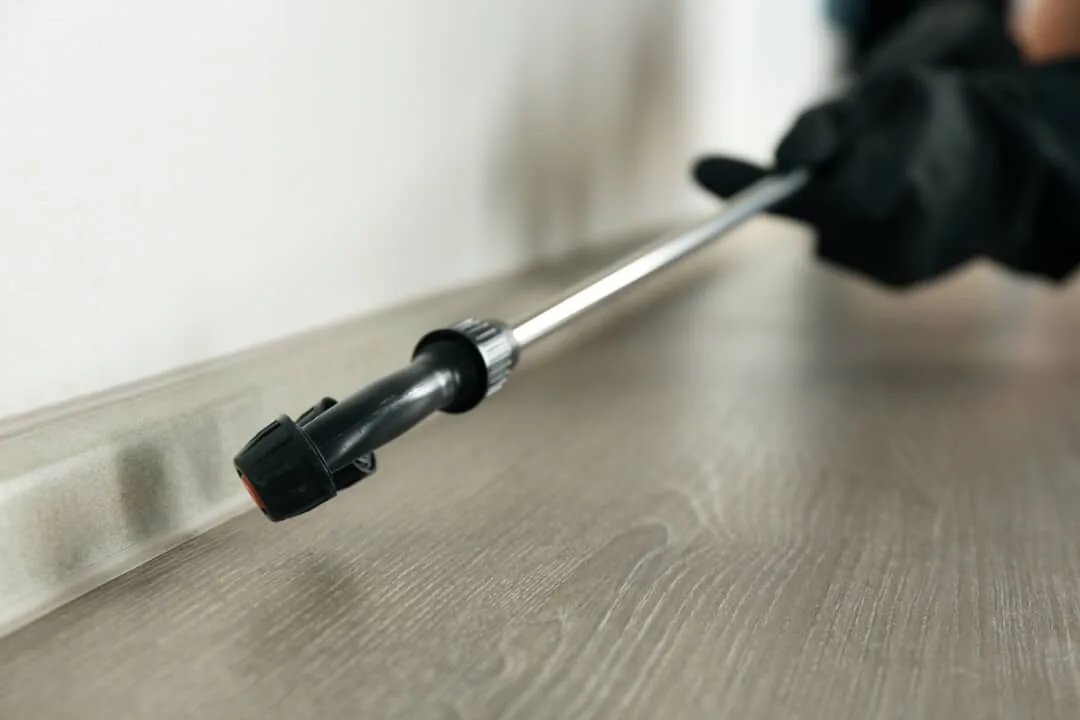
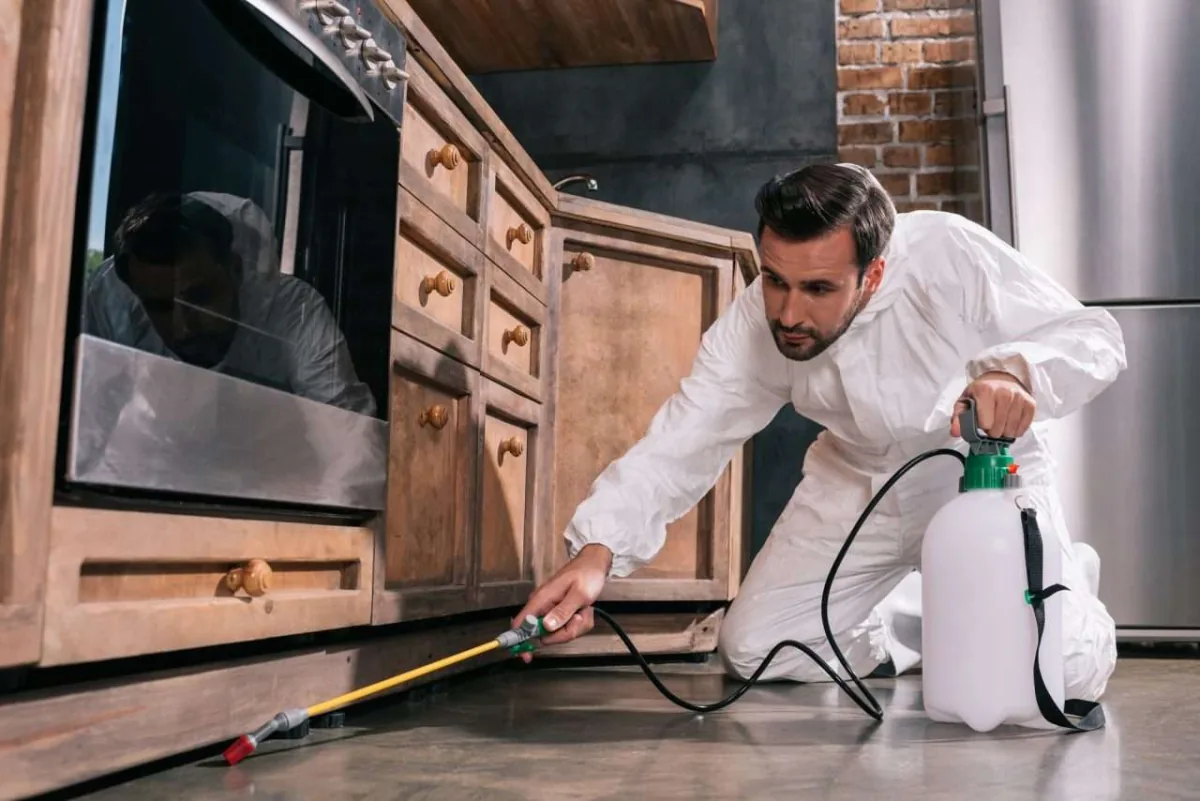
Treat cracks and crevices, bed frames, headboards, and baseboards. Don’t spray sleeping surfaces unless the label specifically allows it.
Dust wall voids, outlets (with the power off), and under baseboards with a desiccant.
Keep kids and pets out until the product dries, and ventilate the room.
Repeat as the label directs, since most sprays don’t kill eggs. Rotate between product classes to slow resistance.
Pair Your Bed Bug Killer With Non-Chemical Steps
No spray or powder works alone. Combine it with heat (dryer on high), steam, vacuuming, mattress encasements, and interceptors under the bed legs. Our step-by-step guide on how to treat bed bugs at home walks through the whole routine, and how to get rid of bed bugs permanently covers follow-up so they don’t come back.
If you’re still finding live bugs after a month of treatment, call a licensed pest professional. They can use products and heat treatments that aren’t available to homeowners.
That’s a Wrap!
So, what is the best bed bug killer? For most homes, it’s a desiccant dust in cracks and voids plus an EPA-registered spray that works on resistant bugs, such as a combination product or chlorfenapyr. Plain pyrethroid sprays are cheap but often fall short. Read every label, treat where bed bugs hide, and pair chemicals with heat, steam, and encasements for the best results.
Keep Pest Pointers in mind for all your pest control needs!
Best Bed Bug Killer: FAQs
What kills bed bugs best?
Heat kills bed bugs fastest, but for products, a desiccant dust like silica gel plus an EPA-registered spray that works on resistant bugs, such as a combination product or chlorfenapyr, gives the best results.
What can kill bed bugs permanently?
No single product does. Ending an infestation takes a mix of heat, steam, vacuuming, encasements, labeled sprays, and desiccant dusts, repeated over several weeks.
What will kill bed bugs and their eggs?
Heat and steam kill eggs reliably. Most sprays don’t kill eggs well, so repeat treatments as the label directs to catch newly hatched bugs.
Is diatomaceous earth a good bed bug killer?
It works, but slowly. Pesticide-grade diatomaceous earth kills bed bugs over days by drying them out. Apply a thin layer in cracks and voids, not on the mattress.
Why isn’t my bed bug spray working?
Many bed bugs resist pyrethroids, the most common ingredient in store sprays. Switch to a product with a different mode of action and combine it with heat and a desiccant dust.
Are bed bug sprays safe to use on mattresses?
Only if the label says so. Many products are for cracks and crevices only. Use encasements and steam on mattresses instead.
Amos is your go-to editor and pest advice enthusiast, blending years of hands-on experience into clear, practical guidance for everyday pest problems. Growing up on a farm near Grandville, Michigan, he spent his days outdoors, learning to deal with wildlife, pests, and nature in real-world settings rather than just from a textbook. That upbringing turned him into a genuine nature lover, comfortable in fields, woods, and around all the critters that come with them. Today, he channels that background into approachable, science-informed articles that help homeowners protect their spaces without overcomplicating the process. When he’s not polishing guides or answering pest questions, you can imagine him most at home outside—observing animal behavior, walking the land, and turning those observations into practical tips you can actually use. His mission is simple: to give you straightforward, reliable pest pointers so you can spend less time worrying about infestations and more time enjoying your home and yard. Check out my Profile.