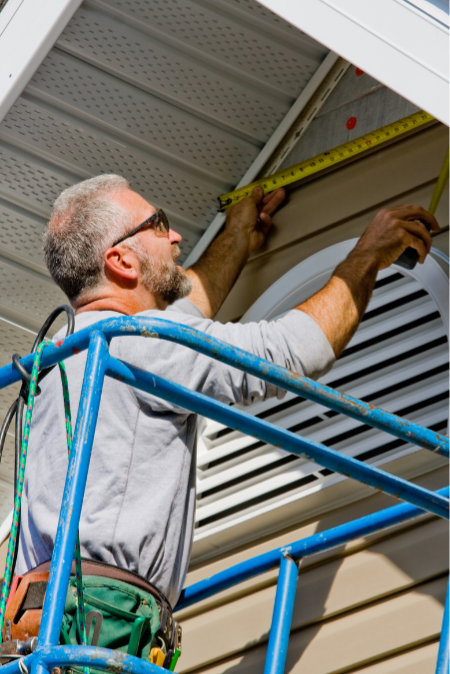
It’s always nice to have something done professionally, but there’s never the satisfaction of completing a project hands-on, especially with something like pest control. That’s why Pest Pointers offers solutions that you, the homeowner, can tackle on your own with do-it-yourself (DIY) pest control!
DIY pest control solutions are a specialty here at Pest Pointers, and we’re here to guide you every step of the way. Most pests can be dealt with by utilizing simple practices, eco-friendly repellents, and habitat modification. That said, there are some instances where a professional may be required, but we’ll get into the details of that a little later!
So, if you’re a DIY warrior, know that you’ll feel right at home with us! We always recommend easy, attainable solutions for homeowners that they can start today. Below is our ultimate do-it-yourself pest control guide and why Pest Pointers is the best choice for DIY pest control.
* This post contains affiliate links.
DIY Pest Control Options
When it comes to taking care of pests, there are a plethora of options to choose from, most of which can be done do-it-yourself style without needing to contact any pest control companies and shell out a bunch of cash.
Pest Pointers is a champion for those searching for DIY pest control solutions. Our recommendations are always user-friendly, easily understandable, and attainable.
Below is a list of DIY pest control options that you can employ in your home or yard.
Habitat Modification
Habitat modification is part of what’s known as integrated pest management (IPM). IPM utilizes natural, eco-friendly options to repel or eliminate pests like mosquitoes, wasps, mice, and voles. No matter what critter or insect is invading your home or yard, there’s an IPM solution for it that you can do yourself!
To utilize habitat modification, think about where your pest lives or hides. Then, change that environment to make it less inviting. Sounds easy enough, right?
A fantastic example of habitat modification would be to eliminate debris piles in the yard and stack wood off the ground to avoid attracting snakes and mice. Another example is to eliminate anything collecting stagnant water, such as old tires or an upturned bucket, to make your yard less desirable to mosquitoes.
Habitat modification is an excellent choice for DIY-ers because you don’t need a professional to tidy up your yard, just some perseverance and time!
Scent Deterrents
Another appealing option for DIYers is to utilize scent deterrents. This option works by overwhelming the pests’s sense of smell, making it difficult for them to find food or sense danger, such as predators.
Scent deterrents must be strong-smelling, such as peppermint, to really overwhelm the pest’s olfactory system. And guess what? Even insects have a sense of smell, so this option works on almost any pest!
Here are a few ways to use scent deterrents to ward off pests:
Essential Oils: Essential oils are derived from plants and converted into a highly concentrated concoction. Despite being natural, care should be taken when working with essential oils. Always dilute them when creating a DIY pest control spray. You can also soak cotton balls in essential oils to create a scent barrier.
Plants: Some plants have a natural defense against herbivores that involves a strong smell. Think of garlic, onion, and strong-smelling herbs like peppermint, lavender, and rosemary. These can be planted around the yard to ward off pests.
Candles: Citronella and lemongrass candles work great at repelling flying insects like flies and mosquitoes. They work by masking your scent, making it difficult for these annoying insects to find you!
DIY sprays: Sprays concocted with strong-smelling ingredients like hot sauce, onions, and garlic are an excellent way to repel pests from the home and yard.
At Pest Pointers, we always recommend scent deterrents that are based on specific pests and the scents they dislike the most. So, if you’re having problems with mice, check out our mice-specific articles to find out which scents are best to use against those invasive rodents!
Physical Barriers
Physical barriers are a DIY solution that involves putting a physical blockade between the pest and its prize. This could mean plugging a hole that mice are getting through with caulking, or sealing up the space beneath your shed to keep out skunks.
The United States Census Bureau tells us that homes with holes in the roof are 4.03 times more likely to report rodent pests and 3.59 times more likely to report roach sightings. Things like cracks in the foundation and broken windows also increase the chance of pest invasions and are easily fixable by sealing the holes with a physical barrier.
Depending on what you have lying around the home, this DIY pest control option may require a trip to the hardware store for some pest control supplies. However, most homeowners have some spare wood or metal sheeting that can be utilized to seal openings.
Fencing is another physical barrier that works great with larger pests like deer, raccoons, and opossums. This is especially effective around vulnerable plants or gardens but can be used around yards as well.
Biological Control
Biological control is a DIY pest control solution that takes advantage of the natural predator-prey relationship that pests have. The goal here is to make your yard attractive to the natural predators that will take care of your pest problem naturally.
For example, if voles are destroying your yard with holes and tunnels, try making your yard more attractive to owls and hawks. Keep the grass trimmed, trim bushes so they’re off the ground, and remove hiding places such as wood piles or stacks of material.
Even small pest problems like caterpillars or aphids can be taken care of by making your yard more attractive to birds or ladybugs. Think about what predator would take care of your pest naturally, and modify your yard to attract them organically.
Scare Tactics
Homeowners can employ scare tactics for certain pests like nocturnal animals, deer, squirrels, rats, mice, birds, and coyotes. This DIY pest control option is all about putting an unusual item, sound, or light in your yard or home to scare away the pest.
Nocturnal critters like raccoons and opossums utilize the darkness to scavenge for food while evading predators. If a sudden light comes on in your driveway, it’s likely to scare the critters off because they don’t want to be exposed to predators.
Similarly, unusual sounds and objects can scare animals away, as their instincts tell them to avoid novel things because they might be dangerous.
Some common scare tactics include:
Scare tape: These reflective ribbons can confuse and frighten birds away. Birds can be a nuisance when they peck at your garden vegetables, perch on your roof, or leave their droppings on your car.
Noisemakers: Containers filled with pennies, pie crust pans, and wind chimes can all be used to make unusual and new sounds that will scare off nighttime invaders like deer, skunks, foxes, and raccoons.
Kites: Believe it or not, kites can scare away small rodents like squirrels, chipmunks, mice, and voles. Kites mimic the flight of potential predators like hawks and owls.
Try Tech-Based Deterrents, Too
If you like the idea of scare tactics but want something a little more hands-off, there are also simple tech-based options that can help protect your home and yard.
Motion sensor lights, trail cameras, reflective tape, and motion-activated sprinklers can all make your property less inviting to unwanted pests.
These are just a few examples of what can be used to scare off pests in the yard. Once you figure out which pest you’re dealing with, check out an article specifically for that pest, and we’ll recommend the best scare tactics!
When To DIY And When To Call The Professionals
Some problems might feel overwhelming, but the reality is that in most instances, you can do your own pest control without the aid of a professional. This allows you to start taking care of your pest today and keeps a big chunk of money in your bank account instead of paying for a professional.
However, there are some instances where professional pest control is necessary. For example, if a critter dug through a water line in the yard or if termites are weakening your home’s structure.
Knowing when to use DIY pest control and when to call in the professionals is important for any homeowner dealing with a pest. Below, we’ll review when to DIY and when to call in the pros.
Concentration of Pests
A mouse in the house, a bat in the attic, fleas, bed bugs, or yellow jackets buzzing around the garbage can. These are all great examples of when you can take up the mantle of the DIY pest control specialist in your home.
When pests aren’t too numerous, DIY pest control solutions can be a valuable tool, and you, the homeowner, are the best ones to wield it! When assessing your pest or pests, determine if it’s an acceptable number or a full-blown infestation.
When to DIY: When pest numbers are small, acceptable, or easily controllable. An example would be seeing an uptick of spiders in the basement in winter. You got that!
When to call a professional: full-blown infestations like having hundreds of cockroaches or tens of mice in the home means it’s time to seek professional expertise. When DIY pest control can’t solve the problem, call a professional.
When in doubt, it’s best to call a professional, even if it’s just for a consult. Our well-researched articles can guide you on how to handle pests, but when the situation becomes too advanced, DIY can only do so much!
Pests Within Reach
Similar to assessing the number of pests wreaking havoc around your home, assess whether or not the pest is within reach. In other words, are you able to apply a chosen DIY pest control method without having to tear down walls or take apart pieces of your home or yard?
When pests are within reasonable reach, DIY pest control solutions should be implemented. However, if you have to do major demolition to reach the pest, such as termites in the walls, it may be time to call in the professionals.
When to DIY: Things like house centipedes in the bathroom, mice/bats in the attic, or silverfish/earwigs in your sunroom are reachable pests that can be taken care of with DIY pest control.
When to call a professional: Termites that weaken the structure of your home and are hidden behind the walls, mice chewing wires behind the wall, and gophers that dig beneath the structure of your home or outbuildings.
Every homeowner has a different level of experience for DIY projects. If you’re comfortable handling the pest on your own, great! If you’re unsure where the pest is, how to reach it, or where to apply repellents, it’s best to call a professional.
Remember though that most pest problems can be solved with DIY pest control. Check out our articles for guidance on how to handle specific pests, from tiny aphids to bothersome black bears!
Damage Assessment
Some pests, like stink bugs, are annoying but don’t do any damage to our homes. Others, like termites, mice, raccoons, and porcupines can be quite destructive if left unchecked! Assess the amount of damage pests are causing and ask yourself if this is acceptable until your DIY pest control methods begin to work.
Structural damage to your home or its foundation is a serious issue and requires professional attention. However, damage to your garden vegetables, flowerbed, or yard is containable with DIY pest control solutions.
When to DIY: Minor damage to the yard, trees, siding, roofing, or outbuildings can almost always be mitigated with DIY pest control. Think mouse holes in the wall, spiderwebs in the basement, or mud wasp nests on the side of the house.
When to call a professional: When pests are compromising the structural integrity of your home, shed, or garage. When there’s damage to the foundation beneath your home or damage to water or sewer lines, call in the professionals.
Hazardous Pests
Certain pests are more dangerous than others to your family, pets, and home. If you encounter an infestation of clothing moths, it may be unsettling and upsetting, but moths aren’t inherently dangerous.
On the other hand, having a bear dig through your trash cans, a coyote prowling around the yard around children, or venomous snakes slithering around, these pests can be dangerous and require a professional hand to remove them. If you have a severe bee allergy and have bees building nests around your yard, this is another instance where calling a professional is the best avenue.
When to DIY: Harmless pests can be taken care of with DIY pest control. Think insects and spiders, rodents, birds, and small mammals like raccoons, opossums, and skunks.
When to call a professional: Call a professional if you’re dealing with venomous snakes, large mammals like bears and coyotes, or aggressive animals such as those that are sick, injured, or with young.
A lot of homeowners get the wrong idea about seeing certain animals during the day due to myths that have been propagated over time. For example, seeing a raccoon, opossum, or coyote during the daytime means they have rabies – this is false.
It’s completely normal to see these critters out and about during the daytime and does not require any pest control measures, DIY or professional, unless they are causing issues.
Frightening Pests
Some folks have a fear of certain pests, like snakes and mice, that they simply can’t stand to see or be around. This fear is completely understandable and may require calling a professional pest control specialist to take care of a pest even if DIY methods could work.
Fear is a powerful motivator, so if you have a fear of certain animals that are invading your home, call in a professional so you can start feeling yourself again in your own home.
When to DIY: If you can stomach the thought of the pest being around or in your home, attempt DIY pest control first to see if it solves the problem.
When to call a professional: If your fear is too great to handle the pest with DIY methods or if you have an extreme allergy to the pest, such as bees, call a professional to handle the situation.
How Pest Pointers Can Help with DIY Pest Control
We’ve discussed the different types of DIY pest control options and the scenarios when you can and can’t take care of pests on your own. So, where does Pest Pointers come in?
At Pest Pointers, we’ve crafted our well-researched articles for you, the homeowner, giving you various solutions to pest control, including DIY options. We’ve researched just about every pest there is and dug into what attracts the pest, how to repel it, and how to make sure the pest doesn’t come back!
So, if you want long-term pest control relief with step-by-step guides on how to do it yourself, Pest Pointers is your destination!
Attainable Solutions
There’s nothing more annoying than reading a blog with complicated solutions for pest control. At Pest Pointers, we offer easy and attainable solutions that can be started today. With us, there’s no need for complicated directions, excessive budgets, or frustrating procedures.
Some of our recommendations are as simple as tidying up the yard by picking up unused materials, tools, and brush piles. Many of our scent-deterrent options include items you probably already have in your kitchen, like hot sauce, garlic, or onions!
The icing on the cake is that Pest Pointers offers DIY pest control options that you can start right away. There’s no need to hop in the car to make a trip to the hardware store.
More Than Just A Pest Control Treatment
Pests that have a source of food, shelter, or safety aren’t likely to leave unless they are really motivated by a repellent. Pest Pointers offers solutions that don’t just treat the symptoms of the pest – we offer permanent solutions!
For example, putting ant traps down to stop them from invading your kitchen is great, but it won’t stop them from coming back unless you cure the problem. Figure out what was attracting ants to your kitchen and remove that source. Find out where they’re getting inside your home and plug it with caulking or cement.
We offer permanent solutions that will solve your pest control problem long-term, instead of needing to reapply traps or repellents repeatedly.
Specific Pests
When you have a problem with a mouse, you don’t want to read an article about rodents in general. You want to know specifically how to repel a mouse, right?
Pest Pointers offers solutions for specific pests and even specific locations, such as bats in the attic or chipmunks making nests in your car. All of our research goes into finding the best ways to repel that specific pest, instead of offering generic, general advice.
Did you know that citrus, catnip, and vinegar are all scents that can repel spiders? Yep, we’ve done the research! We know which scents and deterrents work best against each pest, offering you the most detailed guides to deal with your specific problem.
Safe and Humane Approach
The goal at Pest Pointers is not simply to eliminate your pest. Instead, we offer solutions that are humane, eco-friendly, and pet-safe. Many pest control products contain toxic chemicals that persist in the environment for years. Our take? We’d rather give you options that are safe for your family and pets.
Humane traps: Catch-and-release traps are our highest recommended trap option when dealing with pesky critters like mice, rats, and voles. These allow you to release the animal away from your home, eliminating the pest problem without eliminating the pest!
Scent deterrents: Powerful smells are not harmful to pests, but they sure do repel them! This is an excellent, eco-friendly, humane solution to deal with pests.
IPM: integrated pest management options are highly recommended in our articles. It’s a safe approach to DIY pest control that keeps your home free of harsh or toxic chemicals.
Pests may be annoying and they may even cause damage to your home, but they’re just doing what they have to to survive. The best way to deal with pests is to keep the ecosystem’s natural balance by repelling pests instead of removing them from this world entirely.
Choose Pest Pointers For Your DIY Pest Control Needs!
The next time you spot a mouse in the house, an insect infestation in your garden, or any other pest issue around your home and yard, let Pest Pointers help you solve your problem!
We understand how frustrating it is to deal with a pest and how difficult it can be to find a solution that doesn’t involve calling a commercial pest control company.
Use our articles as a guide for DIY pest control, and those common household pests will be no match for you! So, remember Pest Pointers when you need a DIY solution to your pest problem!
Robyn is your friendly neighborhood writer, editor, and published author - boasting many years of experience in pest control, from which she magically weaves words into the captivating and engaging posts as we know them. When not tucked behind her laptop screen, she can be found embracing nature in the most thrilling ways possible. Rock climbing? Yes, please! Hiking? Absolutely! Traveling the U.S. with her husband, their lovable three-legged dog, and two mischievous cats? That’s her everyday reality. They live, love, and work in their cozy campervan, letting the road take them where it will, and finding inspiration in every sunrise, mountain peak, and wildlife sighting they encounter. Check out my Profile.
Pest Pointers was started in a cozy corner of Upstate New York, known for its expansive pastures, dense woods, and abundant wildlife pests. We are dedicated to providing YOU with solutions and insights into managing common pest issues. Starting out on over 50 acres of land and a freshwater bass pond with abundant pests, we combine firsthand experience with dedicated advice to help you tackle even the toughest of critters!


 Below is a list of DIY pest control options that you can employ in your home or yard.
 Physical barriers are a DIY solution that involves putting a physical blockade between the pest and its prize. This could mean plugging a hole that mice are getting through with caulking, or sealing up the space beneath your shed to keep out skunks.
 Even small pest problems like caterpillars or aphids can be taken care of by making your yard more attractive to birds or ladybugs. Think about what predator would take care of your pest naturally, and modify your yard to attract them organically.
 A lot of homeowners get the wrong idea about seeing certain animals during the day due to myths that have been propagated over time. For example, seeing a raccoon, opossum, or coyote during the daytime means they have rabies – this is false.