Ants are springtime pests that invade homes, especially kitchens, and seem to travel by the hundreds. There are many ways to control ants naturally, but one of the first steps is to learn their behaviors and what attracts them into your home. Know your enemy, right?
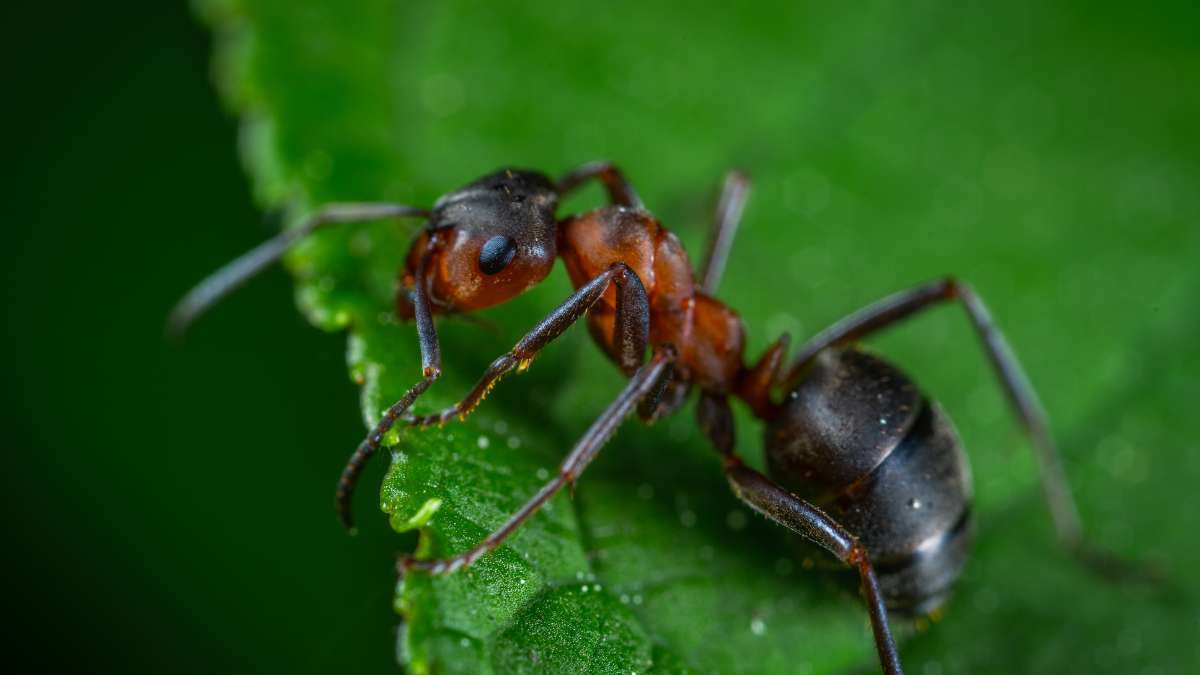
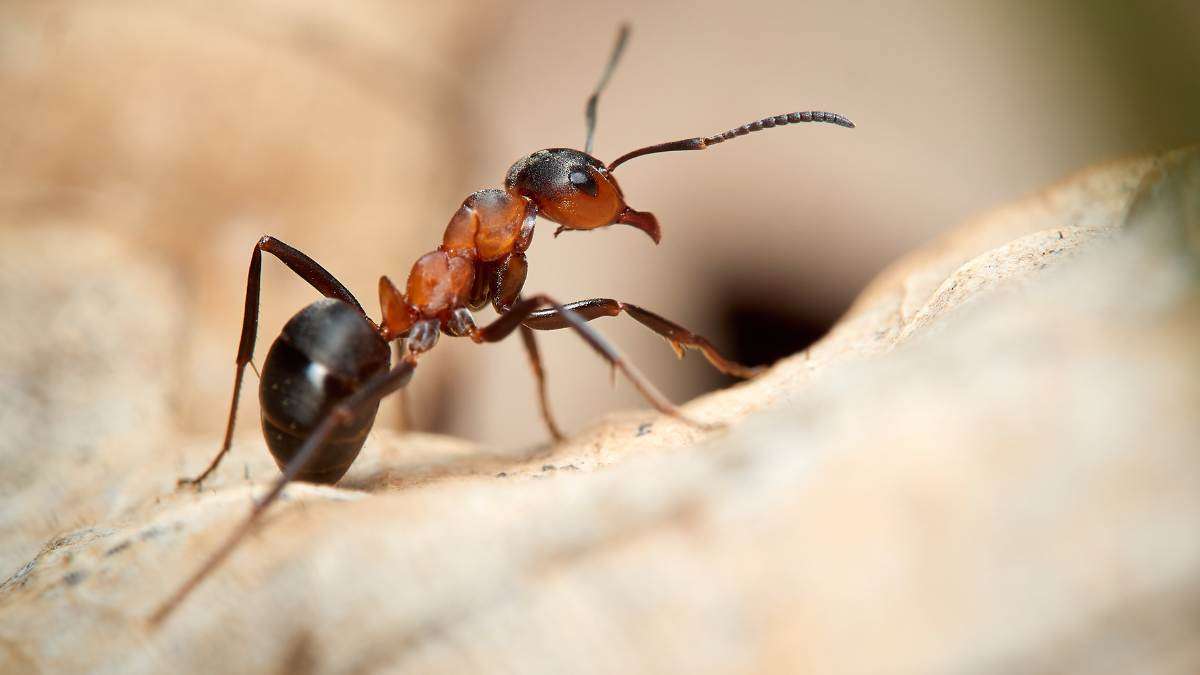
Do ants have hearts? Yes! Ant bodies are separated into three segments – the head, mesosoma (thorax), and the gaster (abdomen). Ant hearts are located in the gaster, which is the rear end of the ant’s segmented body.
While it may not seem important to know if ants have hearts or not, there is a lot of fascinating information about ants that can help you learn how to repel them naturally and get rid of these pests for good!
Below, I’ll discuss 11 fascinating facts about ants, including an answer to the question, ‘Do ants have hearts?’ You may be surprised to learn how helpful these facts are in repelling ants from your home!
* This post contains affiliate links.
1. Do Ants Have Hearts?
It’s a foreign concept to us humans for something living not to have a heart. So, do ants have hearts? Yes, but not in the way that you may think. In humans and most animals, hearts pump red blood rich in haemoglobin throughout the body.
The body of an ant is a little different.
Instead of a rounded organ in the center of the body, an ant’s heart is a long tube, similar to an artery, that pumps colorless blood called haemolymph throughout their body. When exposed to air, haemolymph may turn blue.
The heart of an ant is located in the abdomen (gaster) segment, which is the rear-most segment of their body. This segment contains many of the ant’s vital and reproductive organs.
2. There Are Over 12,000 Species of Ants Worldwide
Cornell University tells us that there are over 12,000 species of ants worldwide. However, only about 50 species are considered house pests. In North America, that number drops down to around 10, depending on the region.
The most common ant species that become nuisances in homes include:
Odorous house ant
Pavement ant
Carpenter ant
Pharaoh ant
Argentine ant
Velvety tree ant
Red imported fire ant
Thief ant
Fire ant
If you find ants inside your home, identifying what type of ant they are will prove beneficial when searching for a way to eliminate or repel them.
For example, fire ants typically live in mounds while carpenter ants are more likely to be found in rotting wood such as stumps or fence posts. Knowing where your enemy is hiding can help you target the area of infestation more quickly and effectively!
By the way, if you’re wondering why ants are in your home in the first place, head over to our article on why ants are in your room for simple tips to get them out fast.
3. Ants Do Not Have Bones
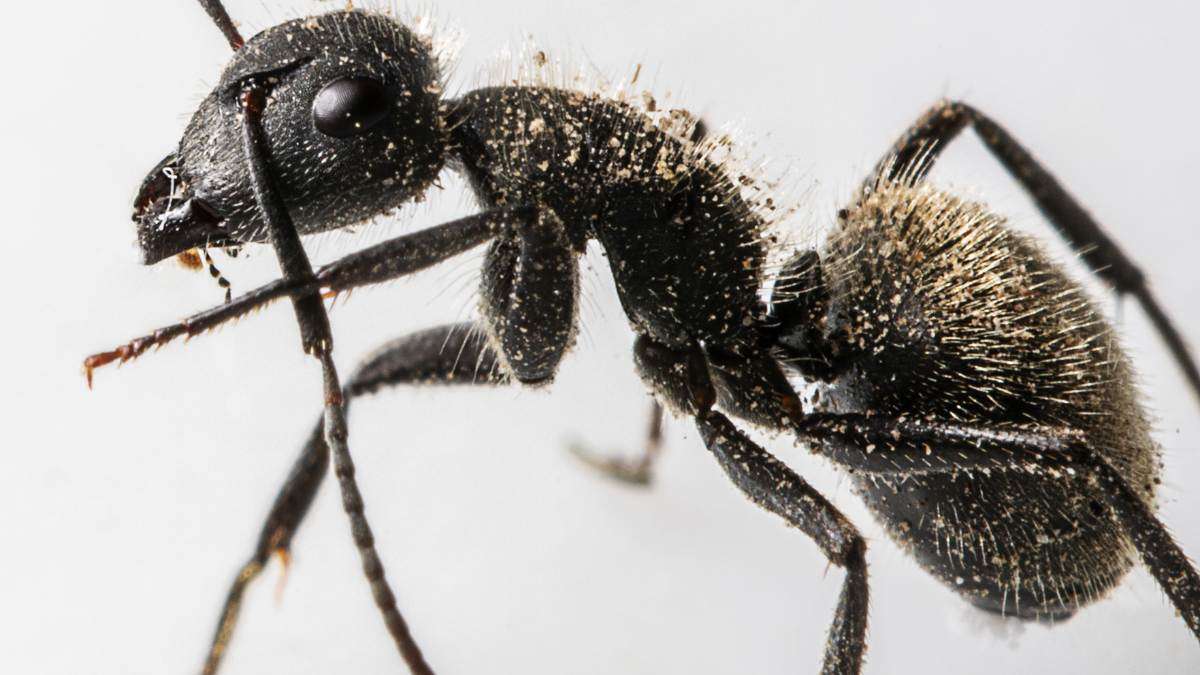
Ants and many other insects have a tough exterior shell called an exoskeleton instead of bones. This shell is made of a material called chitin, which is basically a bunch of sugar molecules strung together.
As a homeowner dealing with ant pests, you can use this knowledge to your advantage! One way to naturally deter and eliminate ants is to use a product called diatomaceous earth. This seemingly magical powder is made of fossilized remains of diatoms (aquatic organisms), whose skeletons are made of silica.
When ants walk over diatomaceous earth, the sharp edges cut into their exoskeleton, causing the ant to dry out and eventually perish. Consider sprinkling diatomaceous earth like HARRIS Diatomaceous Earth near areas where you’ve seen ants entering your home.
Focus your attention on the actual area of invasion, as well as baseboards, window sills, floors, and wall cracks where ants may be sneaking inside.
4. Ants Breathe Through Their Skin
In addition to having no bones and a foreign concept of a heart, ants also do not have lungs! Instead, they breathe through small pores located all over their bodies. These pores are called spiracles.
Diatomaceous Earth is another way to take advantage of this knowledge to combat invading ants in your home. By cutting the exoskeleton with diatomaceous earth, you’re also destroying some of the spiracles, making it difficult for these pests to survive.
5. Ants Love Fats And Sugar
If you’ve ever wondered why ants are invading your home, the most likely answer is food, especially anything fatty or sweet. The reason ants often become pests in the spring is that this is when the queen ant starts laying eggs and when food requirements are high. Worker ants travel far and wide in search of food to feed the queen and the ant larvae.
Even a speck of food left on a kitchen counter can attract hundreds of ants. As soon as one ant finds a food source, it leaves a pheromone trail to help other ants find their way to that same food source.
One way to use this knowledge to your advantage is to wipe down your counters with a powerful cleaning agent like a vinegar solution or Lysol. This removes the chemical pheromone trail and makes it less likely for more ants to invade your home.
Check out our article on How to Use Vinegar to Repel Ants for an in-depth look at using this powerful cleaning agent to repel ants from your home!
6. Some Ants Can Spray Acid Or Sting
Ants may seem like harmless little insects that are beneath our notice, but if ants were the size of humans, they’d be a force to be reckoned with!
Ants have multiple ways of defending themselves and their colonies. One such way is by spraying acid on their enemies. This particular defensive mechanism is used mainly by wood ants, which are found in Europe.
Some ant species have stingers instead of openings to spray acid. Fire ants and harvester ants are the most common stinging ant species found in North America. However, the most famous stinging ant is probably the bullet ant, which is so named because its sting is so painful it feels like being shot! Luckily, these ants are only found in Central and South America.
7. Ants Smell With Their Antennae
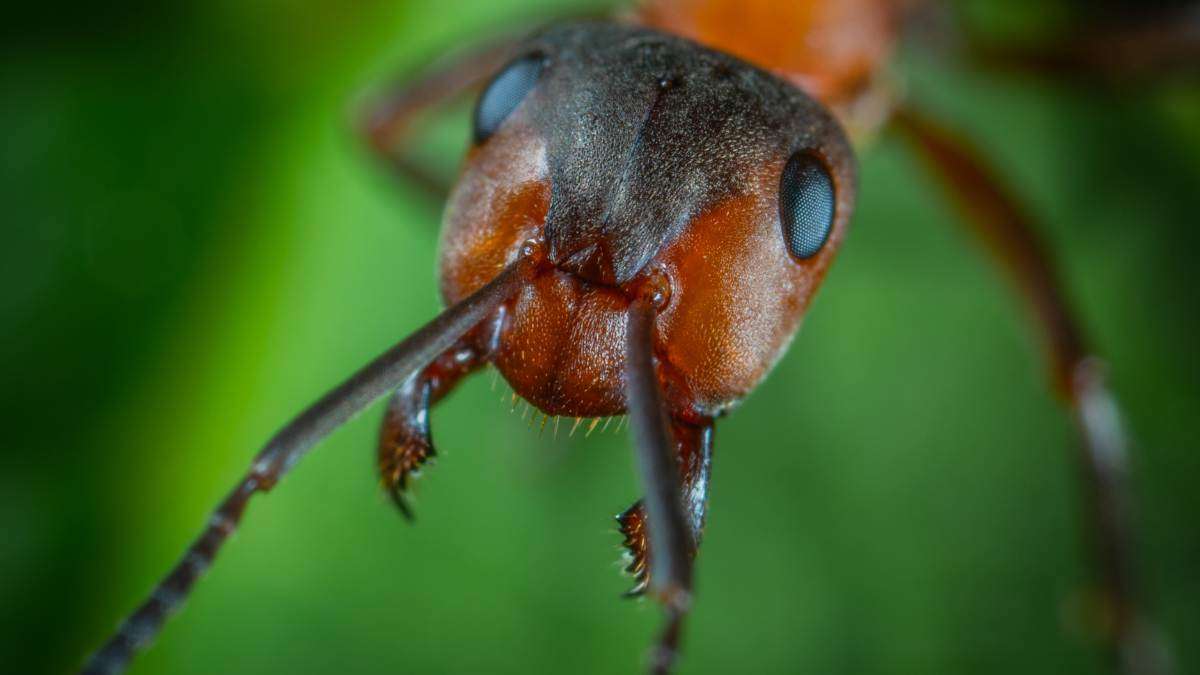
Another strange anomaly and fascinating fact about ants is that they smell with their antennae! Ants have an extraordinary sense of smell, having about 4 to 5 times more odor receptors than most other insects.
This incredible sense of smell is why these pests find their way inside our homes looking for food. They can smell sugar and fat from outside and sneak through cracks and small openings to locate it. Once located, ants leave a trail of pheromones behind, helping their comrades find their way inside your home and to the food source.
There are many ways to disrupt an ant’s sense of smell, and one way is to overpower it with other scents! Read our guide on the 12 scents that ants hate to learn how to use powerful scents against pesky ants.
8. Ants Protect Aphids, Soft Scales, and Whiteflies
Have you ever struggled with curled leaves on your garden plants? Or maybe the leaves have developed yellow spots or simply didn’t grow? These symptoms are common when honeydew-producing insects like aphids, soft scales, and whiteflies make their homes in your garden.
Ants protect these insects because they produce a sticky substance called honeydew that the ants feed on. Unfortunately, this can make getting rid of these pests difficult because the natural predators of aphids and soft scales are ineffective when their ant protectors are around!
That said, there is a straightforward solution to dealing with ants that protect those nuisance garden pests – control the ants instead! Check out our guide on the 6 predators that eat ants for tips on attracting these predators to your yard to take care of ants and the insects they protect.
9. Ants Are Closely Related To Bees and Wasps
It’s little surprise that ants are closely related to bees, since both of these insects have structured colonies with queens. Ants are also close relatives of wasps and have a similar body structure.
Bees, ants, and wasps all belong to the Order Hymenoptera. While it’s not entirely clear what the meaning of the word is, some really smart scientists think it means something along the lines of ‘membronous wings.’
10. Ants Undergo Four Stages of Metamorphosis
Like most insects, ants go through multiple stages of metamorphosis before reaching adulthood. Each stage is marked by a significant change in the body’s appearance and what it feeds on.
The four stages of ant metamorphosis include:
Egg: Ant eggs are typically laid inside a nest by the colony’s queen. When healthy and provided with enough food, queen ants can lay hundreds of eggs per day.
Larva: After hatching, ant larvae are usually legless and completely dependent on other ants for survival. Worker ants tend the larvae, providing food and grooming.
Pupae: When larvae are provided with enough food, they eventually pupate. Some species of ants spin cocoons like caterpillars, while others remain uncovered. Pupae typically look like adult ants, but are white with folded antennae.
Adult: The final stage of metamorphosis is when pupating ants emerge as full adults. Most are born as sterile female worker ants, while only a few are born males that will eventually grow wings and leave the colony to mate and form new colonies.
So, what does this have to do with pest control? One way to figure out how significant an ant infestation is in your home is to utilize sticky traps. This can help you identify if an ant infestation is coming in from the outdoors or if ants have established a colony inside your home.
Here’s how to tell:
Set the traps: Set up sticky traps in areas where you’ve noticed ant activity. Catchmaster Sticky Traps work great!
Check the traps: Check the traps daily and assess what kind of ants are in the traps.
Adults only: If you only see adult ants, it is likely the infestation is coming from outside.
Adults and other stages: If you see larvae or pupae in the traps, it means the ant colony may be active inside your home, such as behind wall spaces.
Knowing if ants are coming in from outside or are establishing a colony inside your home is a great first step toward pest control! After that, you can move on to repelling them. Plants are just one way to repel nuisance ants in your home – check out our article on the 8 indoor plants that repel ants!
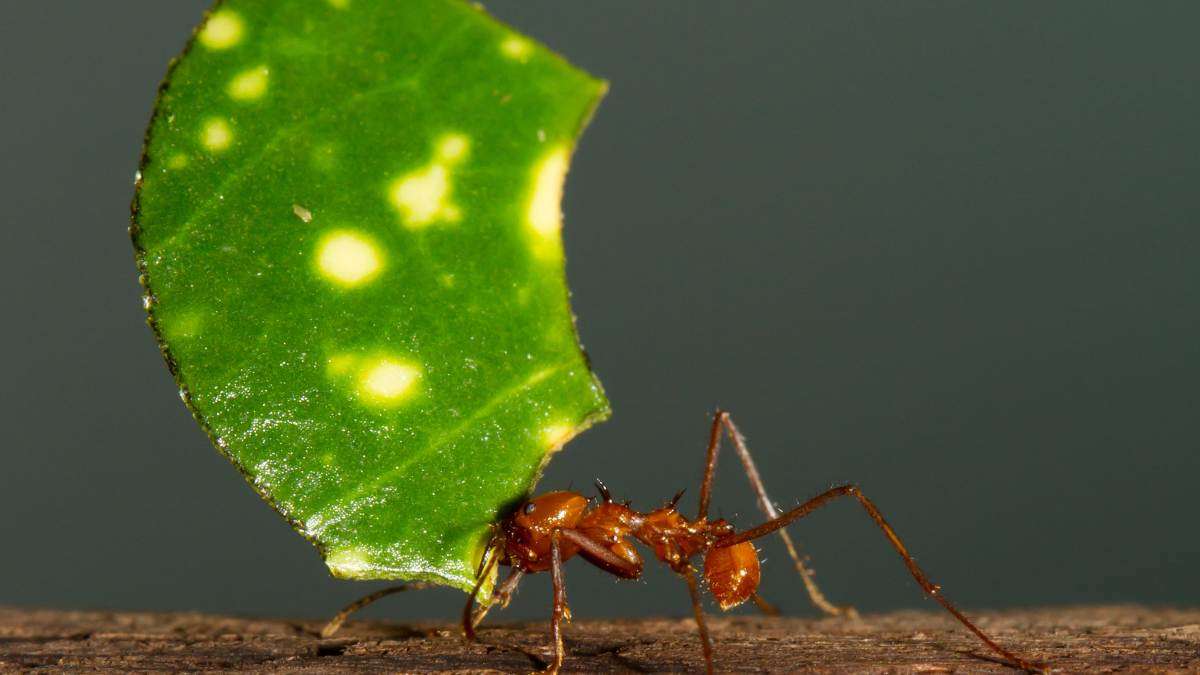
11. Some Ants Can Lift 90x Their Body Weight!
It’s well known that ants are super strong compared to their small size, but did you know these hard-working insects can lift up to 90 times their body weight, according to an article from the Journal eLife?
Now, most ants weigh between 1 and 5 milligrams, so we’re talking an object that only weighs about 0.09 to 0.45 grams (to put it in perspective, a cotton ball weighs about 0.6 grams). It might not seem like a lot, but if you stack those statistics up against a human, the results are fascinating!
A human weighing 180 pounds (82 kg) would need to lift 16,200 pounds (7,348 kg) to compete with an ant!
That’s All For Now!
That’s all we have on fascinating facts about ants! Hopefully this article sheds some light on your ant questions like ‘do ants have hearts,’ or ‘how do ants smell?’ While these questions are fun and entertaining, they’re also educational. They give you a look at some of the important features and behaviors of this common household pest.
The more knowledge you have about ants, the easier it is to understand what attracts them to your home, their behaviors inside the home, and the best ways to repel them.
Armed with your new found ant knowledge, you can go forth and repel those pesky insects! Not sure where to start? Check out our general DIY Pest Control Solutions post for guidelines and tips on controlling common house pests like ants.
Robyn is your friendly neighborhood writer, editor, and published author - boasting many years of experience in pest control, from which she magically weaves words into the captivating and engaging posts as we know them. When not tucked behind her laptop screen, she can be found embracing nature in the most thrilling ways possible. Rock climbing? Yes, please! Hiking? Absolutely! Traveling the U.S. with her husband, their lovable three-legged dog, and two mischievous cats? That’s her everyday reality. They live, love, and work in their cozy campervan, letting the road take them where it will, and finding inspiration in every sunrise, mountain peak, and wildlife sighting they encounter. Check out my Profile.
Pest Pointers was started in a cozy corner of Upstate New York, known for its expansive pastures, dense woods, and abundant wildlife pests. We are dedicated to providing YOU with solutions and insights into managing common pest issues. Starting out on over 50 acres of land and a freshwater bass pond with abundant pests, we combine firsthand experience with dedicated advice to help you tackle even the toughest of critters!