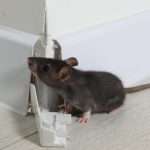
Quick answer: Irish Spring soap does not reliably keep rats away. No study has tested Irish Spring soap on rats or other rodents, and its maker says the bars were never tested for that use. The idea comes from deer research. A strong-smelling bar may make a rat hesitate for a short time, but hungry rats get used to the smell, and some rodents even chew soap. Sealing gaps, removing food, and trapping work far better.
Shaved bars of Irish Spring tucked into garages, sheds, and engine bays are one of the internet’s favorite rodent hacks. It’s cheap and smells clean, so why not?
In this article, I’ll explain where the Irish Spring soap rodent idea came from, what the evidence actually shows for rats, and what to do instead. If you’re dealing with mice, we cover that separately in Irish Spring soap for mice.
* This post contains affiliate links.
Does Irish Spring Soap Keep Rats Away?
Not in any way you can count on. There are no published studies testing Irish Spring soap on rats. When Houston’s KHOU 11 asked Colgate-Palmolive, the maker of Irish Spring, about the claim, the company said its bars were not tested to keep flies and rodents away, as reported by Box-Kat. The same report quotes Texas A&M AgriLife Extension entomologist Molly Keck: there’s no scientific explanation for it working.
More broadly, the University of California IPM program says rats have an initial aversion to some odors and tastes, but no repellents have been found to solve a rat problem for more than a very short time.
Where the Irish Spring Idea Came From
The soap tip started with deer, not rodents. In a 1991 study, Cornell University’s Michael Fargione and Milo Richmond of the U.S. Fish and Wildlife Service found that tallow-based soap bars reduced deer browsing on sweet corn and apple prunings. University of Maryland Extension notes that bar soaps such as Irish Spring and Ivory can deter deer in localized areas when other food is available.
Even for deer, the results came with limits. The researchers said each bar protects only a small area, and they suggested growers switch to other repellents after the first season. They also warned that soap-treated trees appeared more susceptible to damage from voles, which are rodents. That’s not a great sign for anyone hoping soap will keep rats away.
Why Irish Spring Soap Doesn’t Work Well on Rats
Rats get used to smells: A new odor may cause brief caution, but rats quickly learn it’s harmless.
Food and shelter win: If your garage or attic offers food, warmth, and nesting spots, a bar of soap won’t outweigh that.
Soap can be eaten: Many people report rodents gnawing on soap bars, and tallow is an animal fat.
The scent fades: Bars dry out and lose their smell, especially outdoors and in rain.
It doesn’t block entry: Rats get in through gaps. UC IPM says young rats can squeeze under a door with only a 1/2-inch gap.
Is Irish Spring Soap Safe Around Pets and Kids?
Bar soap isn’t highly toxic, but it can upset the stomach if a dog, cat, or child chews it. Keep shavings out of reach, don’t scatter them where pets play, and remove them from engine bays where they can melt onto hot parts.
If You Still Want to Try It
Irish Spring soap is cheap and harmless to try, as long as you treat it as a small extra and not your main defense. Here’s how to give it a fair test:
Seal gaps and remove food first, so you aren’t relying on soap alone.
Cut a fresh bar into cubes or shavings and place them in mesh bags or small containers.
Put them in enclosed spaces, such as cabinets, storage bins, or sheds, not in open yards.
Replace them every few weeks as the scent fades.
Watch for new droppings or gnaw marks. If you see signs of rats, switch to traps right away.
Signs the Soap Isn’t Working
Check the area every few days. Any of these signs means rats are ignoring the soap and it’s time to change tactics:
Fresh droppings near or even next to the soap. Learn to identify them in our rat droppings guide.
Gnaw marks on the bar itself, on stored boxes, or on wiring.
Greasy rub marks along walls and baseboards where rats travel.
Scratching or scurrying sounds at night. Compare them with our guide to sounds rats make.
Shredded paper, insulation, or fabric collected into a nest.
What Actually Keeps Rats Away
The proven approach is boring but effective: take away what rats want and block the way in.
Seal openings: Close gaps larger than 1/4 inch with steel wool, hardware cloth, or metal flashing, as UC IPM recommends.
If you prefer natural deterrents, stronger options include peppermint oil and other scents that rats hate. They also wear off, so use them alongside sealing and trapping.
That’s a Wrap!
So, does Irish Spring soap keep rats away? Not reliably. The idea comes from deer research, no studies have tested it on rats, and its maker says it was never meant for that. A fresh bar might make a rat pause briefly, but it won’t stop a hungry rat from moving in. Seal gaps, remove food and clutter, and trap any rats already there.
Keep Pest Pointers in mind for all your pest control needs!
Irish Spring Soap and Rats: FAQs
Does Irish Spring soap keep rats away?
Not reliably. No study has tested Irish Spring soap on rats, and the maker says it was never tested to keep rodents away. Rats quickly get used to the smell.
Does Irish Spring soap repel rodents at all?
It might make a rodent hesitate briefly, but there is no evidence it keeps rats or mice away. A deer study even found soap-treated trees were more prone to vole damage.
Why do people use Irish Spring soap for pests?
The idea comes from deer research. Tallow-based soap bars reduced deer browsing in a small area around each bar in a 1991 Cornell study.
Will rats eat Irish Spring soap?
Some rodents gnaw on soap bars. Tallow is an animal fat, so soap can even be a snack for a hungry rodent.
Is Irish Spring soap safe to use around pets?
It isn’t highly toxic, but chewing it can upset a pet’s stomach. Keep shavings out of reach of pets and children.
What keeps rats away better than soap?
Sealing gaps larger than 1/4 inch, removing food and clutter, thinning vegetation, and trapping rats already there work far better than any scent.
Amos is your go-to editor and pest advice enthusiast, blending years of hands-on experience into clear, practical guidance for everyday pest problems. Growing up on a farm near Grandville, Michigan, he spent his days outdoors, learning to deal with wildlife, pests, and nature in real-world settings rather than just from a textbook. That upbringing turned him into a genuine nature lover, comfortable in fields, woods, and around all the critters that come with them. Today, he channels that background into approachable, science-informed articles that help homeowners protect their spaces without overcomplicating the process. When he’s not polishing guides or answering pest questions, you can imagine him most at home outside—observing animal behavior, walking the land, and turning those observations into practical tips you can actually use. His mission is simple: to give you straightforward, reliable pest pointers so you can spend less time worrying about infestations and more time enjoying your home and yard. Check out my Profile.