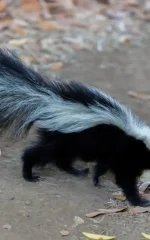
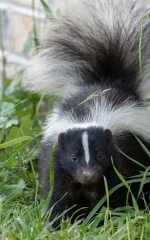
Quick answer: Homemade skunk repellent works best as a short-term nudge, not a cure. The two recipes worth trying are a castor oil and dish soap spray for lawns where skunks dig for grubs, and a boiled hot pepper spray for garden beds and den entrances. Reapply both every few days and after rain, and pair them with motion lights and blocked denning spots.
Skunks are mostly gentle neighbors, until they start digging up your lawn or move in under the deck. If you’d rather not buy commercial products, a homemade skunk repellent is cheap, quick to mix and uses things you probably already have.
Below are three DIY skunk repellent recipes, how to apply them, and the honest truth about how well they work. I’ll also cover the popular “remedies” you should skip.
* This post contains affiliate links.
Does Homemade Skunk Repellent Work?
Sometimes, and only for a while. Skunks have a strong sense of smell, so scents they dislike can make a spot less inviting. Humane World for Animals says homemade capsaicin (hot pepper) or castor oil repellents may be tried, along with mild options like used kitty litter near a den.
But no repellent is a permanent fix. Nebraska Extension notes that repellents like ammonia, lights, radios and predator urine haven’t been proven to repel skunks consistently, and the Iowa State University Extension says scent repellents usually aren’t very effective at stopping lawn damage on their own. Think of homemade skunk repellent as one piece of a plan that also removes food and shelter.
Which Homemade Skunk Repellent Should You Use?
Problem
Best homemade option
Reapply
Skunks digging holes in the lawn
Castor oil and dish soap spray
Every 3 to 5 days and after rain
Skunks in garden beds or around the porch
Hot pepper spray
Every few days and after rain
A skunk denning under a deck or shed
Used kitty litter plus light and noise
Refresh every few days
Whichever recipe you choose, start as soon as you notice digging or a new den. Repellents work best before a skunk settles in and gets used to your yard.
Recipe 1: Castor Oil Skunk Repellent Spray
This is the go-to homemade skunk repellent for lawns. Iowa State explains that castor oil products work by masking the scent of grubs, worms and other insects in the soil, so skunks have a harder time finding a meal.
Ingredients
1 cup castor oil
1 cup unscented liquid dish soap
Water
A hose-end sprayer or a 1-gallon garden sprayer
Instructions
Mix the castor oil and dish soap in a jar until it looks frothy, like shaving cream. This is your concentrate.
Add about 4 tablespoons of the concentrate to 1 gallon of water and shake well.
Spray the areas where skunks have been digging, plus a few feet around them. Apply in the evening, before skunks come out to forage.
Water it in lightly so it soaks into the top layer of soil.
Reapply every 3 to 5 days, and again after heavy rain or watering.
Recipe 2: Hot Pepper Skunk Repellent Spray
Capsaicin, the compound that makes peppers hot, irritates a skunk’s nose and mouth. UF/IFAS Extension lists a mixture of water and hot pepper as a deterrent for skunks around ripening fruits and vegetables.
Ingredients
1 yellow onion, chopped
1 jalapeño pepper, chopped
1 tablespoon cayenne pepper
2 quarts of water
A cheesecloth or fine strainer, and a spray bottle
Instructions
Add the onion, jalapeño, cayenne and water to a pot and boil for 20 minutes.
Let it cool completely, then strain it through a cheesecloth.
Pour it into a spray bottle and label it clearly.
Spray around garden beds, under decks and porches, and near den entrances. Don’t spray it directly on plants you plan to eat soon.
Reapply every few days and after rain.
Be careful with this one. Wear gloves and eye protection, and keep the spray away from your face, kids and pets. Humane World warns that strong capsaicin “hot sauces” need extreme care because of what happens to people and animals who come in contact with them.
Recipe 3: Used Kitty Litter Near the Den
If a skunk is denning under your shed or deck, Humane World suggests placing a mild repellent, like a scoop of used kitty litter, near or just inside the den to one side, so the skunk has to pass it to get out. Combine it with light and a little noise to make the dark, quiet spot less appealing.
Before you block any den, make sure no babies are inside. Loosely plug the hole with straw or leaves. If it stays undisturbed for two or three nights, the den is likely empty and you can fill it. Our guide on how to fill a skunk hole walks you through it.
Skunk Repellents You Should Skip
Mothballs: Nebraska Extension says using mothballs in the landscape is dangerous and violates federal regulations. They’re made for clothes moths in sealed containers.
Ammonia-soaked rags outdoors: a common tip, but Nebraska Extension warns against using ammonia in the landscape and says it hasn’t been proven to work consistently.
Predator urine: Humane World advises against buying it, since it’s produced under inhumane conditions and isn’t needed to repel skunks.
How to Make Homemade Skunk Repellent Work Better
Repellents work best when the skunk has fewer reasons to stay. Pair your DIY skunk repellent with these steps:
Take away food. Bring pet food in at night, lock trash cans and clean up fallen fruit and birdseed.
Fix lawn grubs. Humane World notes skunks often dig when wet soil pushes grubs close to the surface, which can be a sign of an overwatered lawn.
Add motion lights. UF/IFAS lists motion-sensitive lights to discourage skunks at night.
Block denning spots. Close gaps under decks, porches and sheds with an L-shaped footer of welded wire buried in the ground.
A homemade skunk repellent can buy you time. Use the castor oil spray on lawns, the hot pepper spray around beds and porches, and kitty litter near a den. Reapply often, skip mothballs and ammonia, and remove food and shelter so the skunk moves on for good.
Keep Pest Pointers in mind for all your pest control needs!
Homemade Skunk Repellent: FAQs
What is the best homemade skunk repellent?
For lawns, a castor oil and dish soap spray. For garden beds and den entrances, a boiled hot pepper spray. Both need reapplying every few days.
How do you make castor oil skunk repellent?
Mix 1 cup castor oil with 1 cup liquid dish soap, then add about 4 tablespoons of the mix to 1 gallon of water and spray the affected lawn.
Can homemade repellent get a skunk out from under my deck?
It can encourage the skunk to leave. If it stays, Humane World recommends a one-way door once any babies are old enough to follow their mother, left in place for two or three nights to a week.
Do mothballs keep skunks away?
Don’t use them. Using mothballs in the yard is dangerous and against federal rules, since they’re made for clothes moths in sealed containers.
How often should I reapply homemade skunk repellent?
Every 3 to 5 days, and after rain or watering, until the skunk stops visiting.
Is homemade skunk repellent safe for pets?
Castor oil spray is mild once watered in. Keep hot pepper spray away from pets’ faces and paws, and let it dry before pets go outside.
Amos is your go-to editor and pest advice enthusiast, blending years of hands-on experience into clear, practical guidance for everyday pest problems. Growing up on a farm near Grandville, Michigan, he spent his days outdoors, learning to deal with wildlife, pests, and nature in real-world settings rather than just from a textbook. That upbringing turned him into a genuine nature lover, comfortable in fields, woods, and around all the critters that come with them. Today, he channels that background into approachable, science-informed articles that help homeowners protect their spaces without overcomplicating the process. When he’s not polishing guides or answering pest questions, you can imagine him most at home outside—observing animal behavior, walking the land, and turning those observations into practical tips you can actually use. His mission is simple: to give you straightforward, reliable pest pointers so you can spend less time worrying about infestations and more time enjoying your home and yard. Check out my Profile.