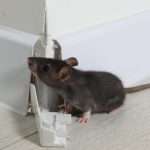
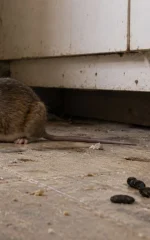
Quick answer: How to catch a rat in the house: use several rat-sized snap traps baited with a pea-sized dab of peanut butter, nuts, or dried fruit. Set them along walls where you’ve seen droppings or gnaw marks, at right angles to the wall with the trigger end touching it. Leave the traps baited but unset for a few days so the rat gets comfortable, then set them all at once and check them daily.
Hearing scratching in the walls or finding droppings behind the stove is unsettling. The good news is that a rat in the house can usually be caught in days, not weeks, if you use the right traps in the right places.
In this guide, I’ll show you how to catch a rat in the house step by step: which traps work, the best baits, exactly where to put traps, and how to make sure more rats don’t follow. Not sure it’s a rat? Check what rat droppings look like and the sounds rats make first.
* This post contains affiliate links.
Step 1: Confirm It’s a Rat, Not a Mouse
This matters more than you’d think. The University of California IPM program notes that mice and small young rats often won’t trigger a rat-sized snap trap, while a mouse trap is too small to hold an adult rat. Rat droppings are much bigger than mouse droppings, so they’re a good clue. If you’re unsure, set both sizes.
Step 2: Choose the Right Rat Trap
Trap type
Good for
Notes
Rat-sized snap trap
Most homes
Recommended by the CDC; cheap and reusable
Covered snap trap or trap in a box
Homes with kids or pets
Keeps the trap away from fingers and paws
Electronic trap
People who don’t want to see the catch
More expensive; still needs prebaiting
Glue board
Not recommended
Inhumane, hard to use, and catches pets and wildlife
Live trap
Not recommended
Released rats keep causing problems; check local laws
The CDC recommends traditional snap traps and says not to use glue traps or live traps, because they scare rodents and can make them urinate, which raises your risk of getting sick. UC IPM adds that live-trapped rats must legally be euthanized or released right where they were caught, which just puts the problem back outside your door.
Step 3: Pick the Best Bait
UC IPM lists nuts, dried fruit, bacon, and dry pet food as attractive baits, and soft baits like peanut butter work too. The CDC says chunky peanut butter or mutton fat works best. Whatever you choose, use only a pea-sized amount. If you use dry bait, tie it to the trigger with thread or fine wire so the rat has to tug on it.
Peanut butter: Easy, smelly, and hard to steal.
Nuts and seeds: Great for roof rats.
Bacon or meat scraps: Popular with Norway rats.
Dried fruit: Good for roof rats in homes with fruit trees.
Nesting material: Cotton balls or dental floss can work in cold months.
Step 4: Put Traps Exactly Where Rats Travel
Placement matters more than the type of trap, according to UC IPM. Rats hug walls and stick to the same routes, so put traps where you’ve seen droppings, gnaw marks, grease smudges, or nesting material, especially between where rats hide and where they find food.
Set the trap on the floor against the wall so it forms a “T,” with the baited trigger end next to the wall, as the CDC recommends.
If you set traps parallel to the wall, use them in pairs facing opposite directions.
Try behind the stove and fridge, at the back of cabinets, under sinks, in the attic, basement, crawlspace, and garage.
For roof rats, also place traps up high on ledges, shelves, pipes, and beams. Fasten them down so the snap is stronger.
Space traps about 10 to 20 feet apart. UC IPM says a heavily infested home may need a dozen or more.
Step 5: Prebait to Beat Trap Shyness
Rats are cautious, and UC IPM warns that if a rat sets off a trap without being caught, it will be very difficult to trap again. To avoid that, leave traps baited but unset for a few days until the rats are taking the bait. If bait disappears from every trap, add more traps. Then set them all on the same night.
Step 6: Check Traps Daily and Dispose Safely
The CDC says to check traps every day, dispose of dead rodents right away, and keep resetting traps until activity stops. Wear disposable gloves, never touch a rat with bare hands, and seal the body in a plastic bag before putting it in the trash. Wash your hands well afterward. Clean up droppings safely with our guide on how to clean rat droppings.
Should You Use Rat Poison Indoors?
Usually not. Poisoned rats often die inside walls, where they cause bad smells and attract insects. UC IPM warns that all rodent baits are toxic to dogs and cats, and pets can be poisoned by eating a dead or dying rat. Consumer rat baits must be sold in ready-to-use bait stations. If you do use bait, follow the label exactly and keep it away from children and pets.
Step 7: Seal Up So More Rats Don’t Move In
Catching one rat won’t help for long if the door is still open. The CDC’s three-step approach is to seal up, trap up, and clean up, and to remove food sources, water, and shelter. UC IPM recommends sealing holes larger than 1/4 inch. Use steel wool, hardware cloth, or metal flashing, not foam or caulk alone. Find out what attracts rats and follow our in-house rat control guide to keep them out.
When to Call a Professional
Call a licensed pest control company if you’re still catching rats after two weeks, if you hear rats in several parts of the house, or if you can’t reach the places they’re nesting. Professionals can also find and seal hard-to-reach entry points. If you just found one rat, our guide on what to do if you find a rat in your house covers the first steps.
That’s a Wrap!
So, how do you catch a rat in the house? Use several rat-sized snap traps, bait them with a pea-sized amount of peanut butter or nuts, place them along walls in a T with the trigger end touching the wall, and prebait for a few days before setting them. Check traps daily, wear gloves, and seal gaps larger than 1/4 inch so more rats don’t move in.
Keep Pest Pointers in mind for all your pest control needs!
How to Catch a Rat in the House: FAQs
What is the fastest way to catch a rat in the house?
Set several rat-sized snap traps along walls where you see droppings or gnaw marks, bait them with peanut butter, and prebait for a few days before setting them all at once.
What is the best bait for rat traps?
Peanut butter, nuts, dried fruit, bacon, and dry pet food all work. Use only a pea-sized amount so the rat has to work at the trigger.
Where should I put rat traps in my house?
Against walls in a T shape with the trigger end touching the wall, behind appliances, in cabinets, attics, basements, and garages. For roof rats, add traps on ledges and beams.
How many rat traps should I use?
More than you think. Space traps about 10 to 20 feet apart. A heavily infested home may need a dozen or more.
Why won’t the rat go in the trap?
Rats are wary of new objects. Leave traps baited but unset for a few days, move them closer to rat signs, and make sure you are using rat-sized traps, not mouse traps.
Are glue traps good for catching rats?
No. The CDC advises against glue traps and live traps because frightened rodents urinate, increasing disease risk, and glue traps can catch pets and wildlife.
Amos is your go-to editor and pest advice enthusiast, blending years of hands-on experience into clear, practical guidance for everyday pest problems. Growing up on a farm near Grandville, Michigan, he spent his days outdoors, learning to deal with wildlife, pests, and nature in real-world settings rather than just from a textbook. That upbringing turned him into a genuine nature lover, comfortable in fields, woods, and around all the critters that come with them. Today, he channels that background into approachable, science-informed articles that help homeowners protect their spaces without overcomplicating the process. When he’s not polishing guides or answering pest questions, you can imagine him most at home outside—observing animal behavior, walking the land, and turning those observations into practical tips you can actually use. His mission is simple: to give you straightforward, reliable pest pointers so you can spend less time worrying about infestations and more time enjoying your home and yard. Check out my Profile.