Quick answer: How to get rid of bed bugs permanently: confirm the infestation, heat-treat all laundry in a hot dryer, steam and vacuum the mattress, furniture, and baseboards, seal the mattress and box spring in bed bug-proof encasements, treat cracks with a labeled insecticide or desiccant dust, and monitor with interceptors for at least a year. Most infestations take several weeks to months to clear, and heavy ones need a professional.
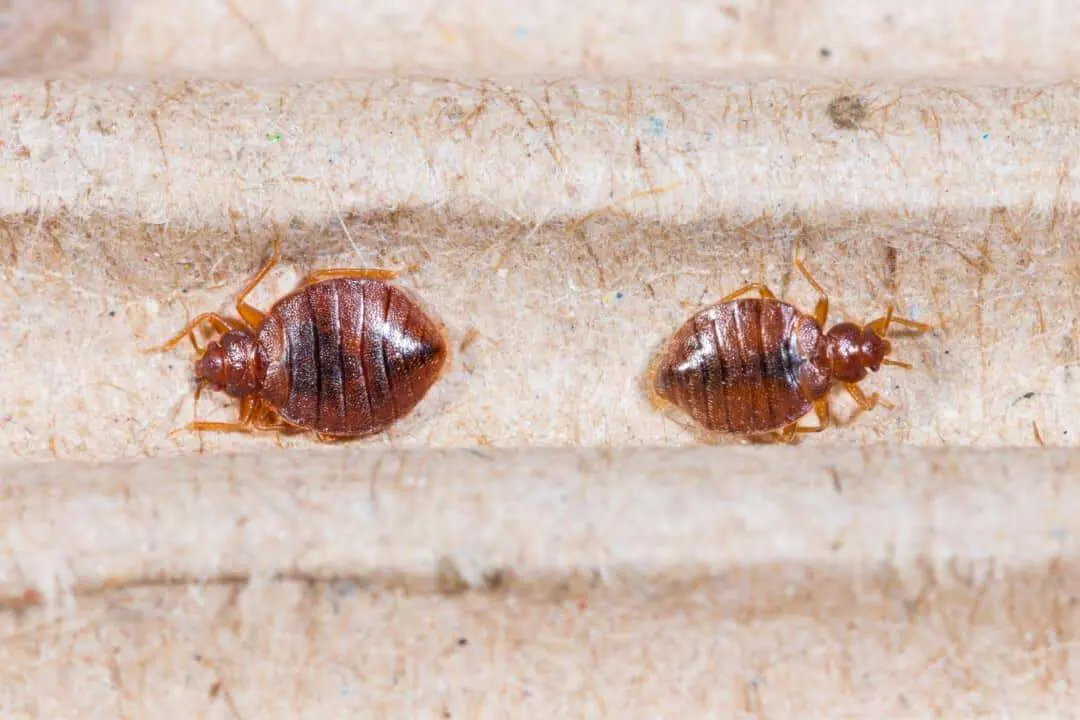
Bed bugs are one of the most stubborn pests you can bring home. Kill a few, and a week later more show up. That’s because adults hide in the tiniest cracks, eggs are glued in place, and bed bugs can go a long time without feeding.
The good news is you can beat them. In this guide, I’ll show you how to get rid of bed bugs permanently with a step-by-step plan, explain why bed bugs keep coming back, and share how to keep them from returning.
* This post contains affiliate links.
Why Bed Bugs Keep Coming Back
Most bed bug comebacks happen for one of a few reasons:
Missed hiding spots: Bed bugs hide in seams, headboards, nightstands, outlets, picture frames, and baseboards, not just the mattress.
Surviving eggs: Eggs are harder to kill than adults and hatch in about 6 to 10 days, starting a new wave.
No residual effect: Heat and steam kill instantly but leave nothing behind. Cornell’s NYS IPM Program notes that new bugs can move in right after a heat treatment.
Ineffective remedies: Rubbing alcohol, mothballs, and foggers leave many bugs alive. Rutgers researchers found about half of bed bugs sprayed with alcohol were still alive four days later, according to Science News.
Reintroduction: Bed bugs hitch rides on luggage, used furniture, and visitors, or travel between apartments.
How to Get Rid of Bed Bugs Permanently: 9 Steps
1. Confirm It’s Really Bed Bugs
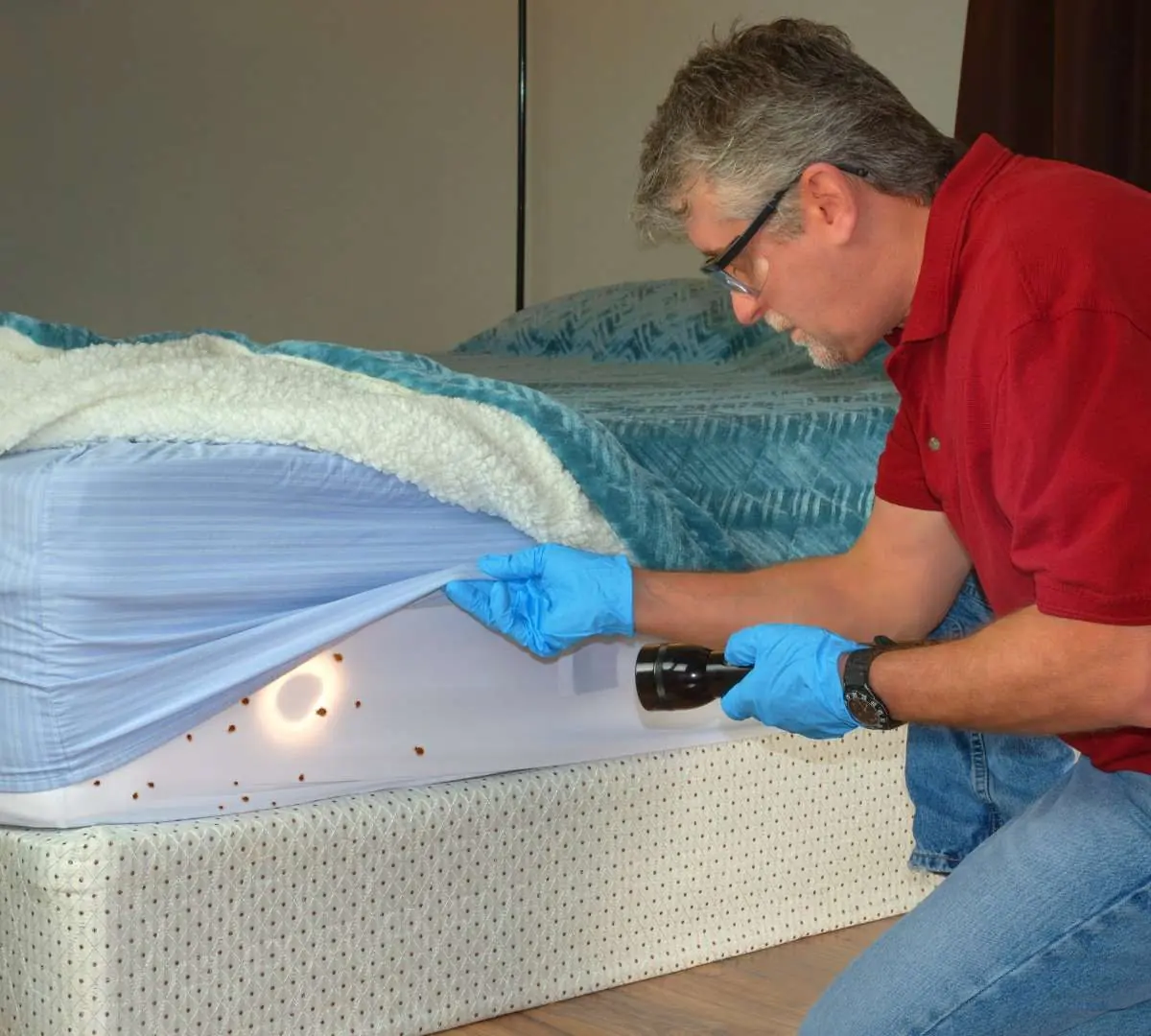
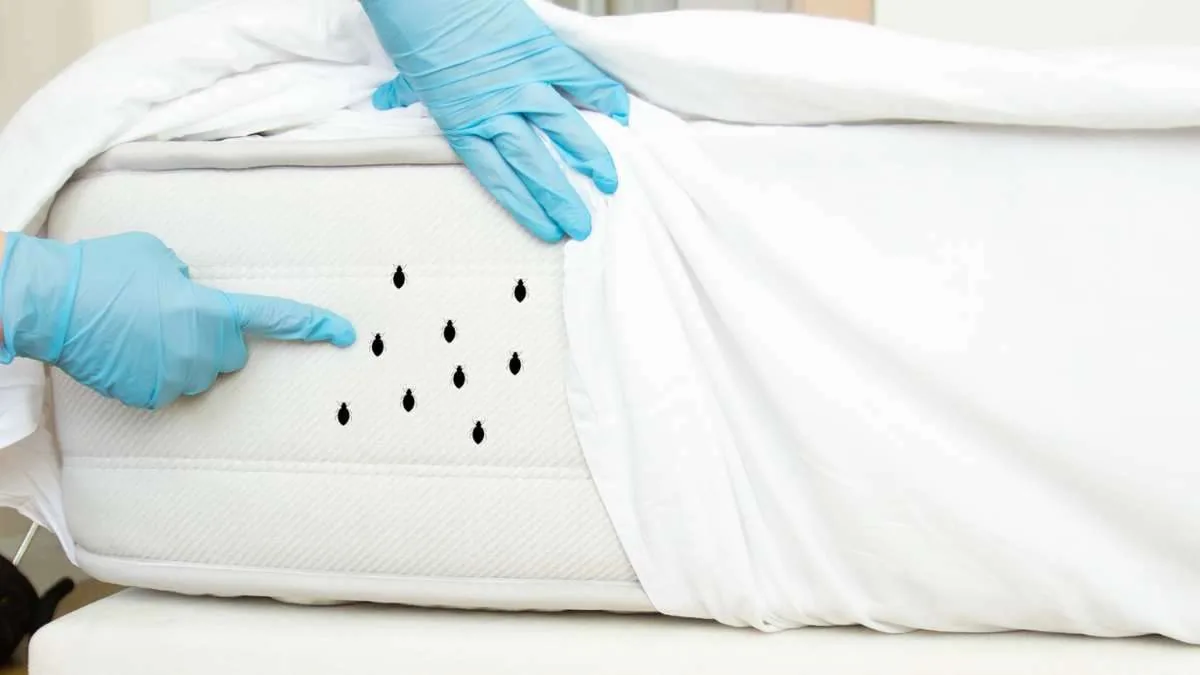
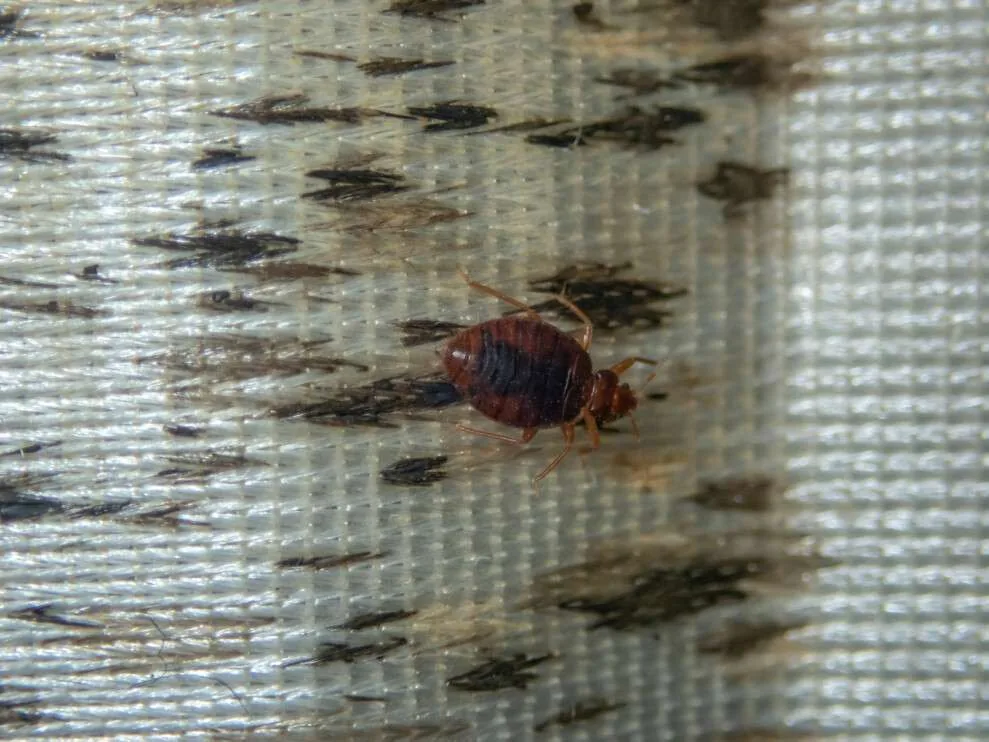
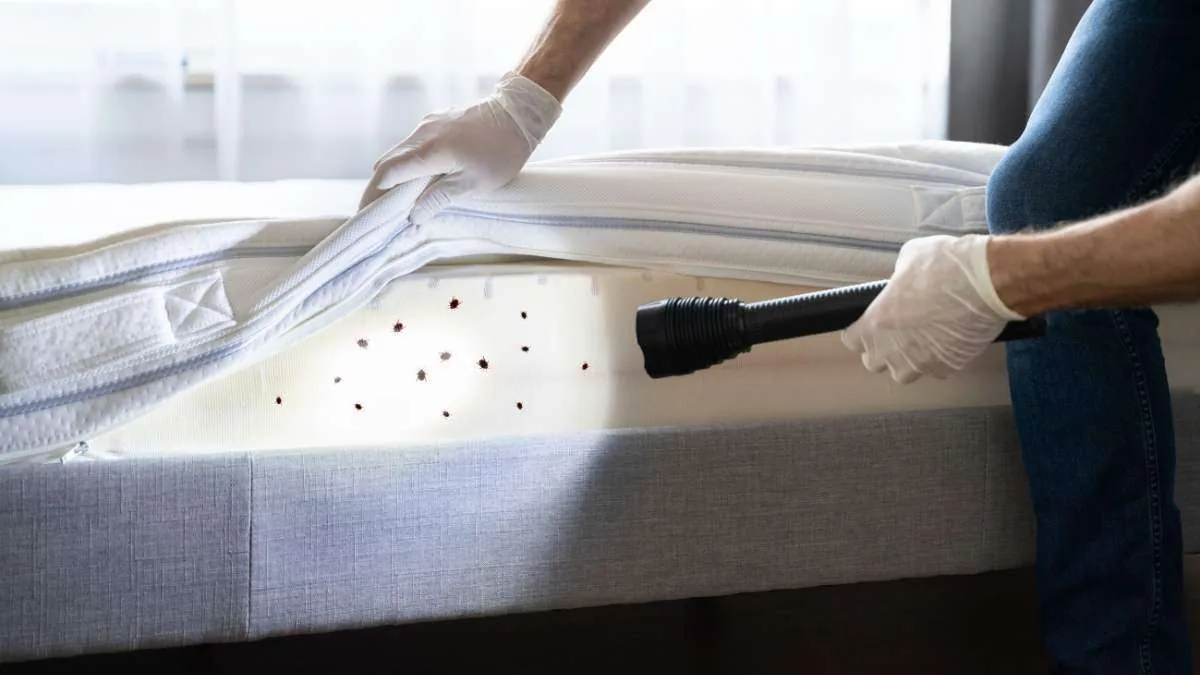
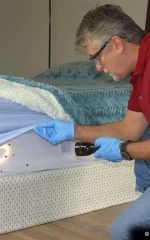
Look for live bugs, rusty or dark spots on sheets, tiny pale eggs, and shed skins along mattress seams. Use a flashlight and a credit card to check tight spots. Our guide on how to find bed bugs walks you through it, and bugs that resemble bed bugs helps you rule out look-alikes.
2. Contain the Infestation
Don’t start sleeping on the couch or moving furniture to other rooms. That spreads bed bugs. The EPA recommends sealing infested items in plastic bags until they can be treated. Items you can’t treat should stay sealed for up to a year.
3. Declutter
Clutter gives bed bugs endless places to hide. Bag and treat clothes, books, and stuffed toys, and get rid of cardboard boxes near the bed. If you throw out a mattress or furniture, wrap it and mark it “bed bugs” so nobody takes it home.
4. Heat Your Laundry in the Dryer
Put bedding, clothes, and curtains in the dryer on high. Cornell recommends making sure your dryer gets above 125°F, which kills all life stages. Two hours at 115°F also works. Washing alone usually isn’t hot enough.
5. Vacuum and Steam
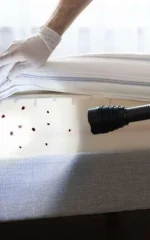
Vacuum mattress seams, box springs, bed frames, carpets, and baseboards, then seal and toss the contents outside. Next, steam the same areas. The EPA says steam must reach at least 130°F and should be used with a diffuser so it doesn’t scatter bugs. For more fast-kill options, see what kills bed bugs instantly.
6. Encase the Mattress and Box Spring
Bed bug-proof encasements zip around the mattress and box spring. Any bugs inside are trapped and die, and the smooth surface makes new bugs easy to spot. Keep encasements on for at least a year and check them for tears.
7. Treat Cracks and Crevices
Use only EPA-registered products that list bed bugs on the label, and follow the directions exactly. Combination sprays help where bed bugs resist pyrethroids. Desiccant dusts such as silica gel or pesticide-grade diatomaceous earth keep working for months in wall voids and outlets, though the EPA notes they can take months to work. Never use food-grade or pool-grade diatomaceous earth. Read our guide to the best diatomaceous earth for bed bugs and our roundup of what kills bed bugs.
8. Isolate the Bed and Install Interceptors
Pull the bed a few inches away from the wall, keep bedding off the floor, and place interceptor cups under each leg. Interceptors catch bugs climbing up or down, so they both protect you and tell you whether the treatment is working. Check them weekly.
9. Monitor for at Least a Year
This is the step that makes it permanent. The EPA recommends checking at least every 7 days for remaining bugs and hatching eggs and continuing to check for at least a year after treatment. Repeat steaming and vacuuming every one to two weeks until you see no signs for several weeks in a row.
When to Call a Professional
Call a licensed pest control professional if you still find live bed bugs after a month of DIY treatment, if the infestation is spread across several rooms, or if you live in an apartment building where bed bugs can move between units. Professionals can heat whole rooms to lethal temperatures. Don’t try that yourself; Cornell warns that DIY whole-home heating won’t get hot enough and creates a fire hazard.
How to Keep Bed Bugs From Coming Back
When traveling, check hotel mattress seams and headboards, keep luggage on a rack away from the bed, and run clothes through a hot dryer when you get home.
Inspect secondhand furniture and mattresses before bringing them inside, or skip them altogether.
Keep encasements and interceptors in place as an early warning system.
Seal cracks around baseboards, outlets, and pipes, especially in shared walls.
Reduce clutter around beds and couches so new bugs have nowhere to hide.
So, how do you get rid of bed bugs permanently? Use several methods together: heat, steam, vacuuming, encasements, labeled treatments, and interceptors. Then keep monitoring for a full year. Bed bugs come back when even a few are missed, so patience and follow-up are what make the results last. If DIY isn’t working after a month, bring in a professional.
Keep Pest Pointers in mind for all your pest control needs!
How to Get Rid of Bed Bugs Permanently: FAQs
Can you get rid of bed bugs permanently on your own?
Yes, small infestations can often be cleared with heat, steam, vacuuming, encasements, labeled insecticides, and steady monitoring. Large or multi-room infestations, and those in apartment buildings, usually need a professional.
How long does it take to get rid of bed bugs permanently?
Usually several weeks to a few months. Even after you stop seeing bugs, keep monitoring for at least a year, because surviving eggs or hidden bugs can restart the infestation.
Why do bed bugs keep coming back after treatment?
The most common reasons are missed hiding spots, surviving eggs, treatments with no residual effect, ineffective home remedies, and bringing in new bed bugs from travel, used furniture, or neighboring units.
Should I throw away my mattress if I have bed bugs?
Usually not. Steaming, vacuuming, and sealing the mattress and box spring in bed bug-proof encasements is cheaper and works well. A new mattress can get infested too if the rest of the room isn’t treated.
Can bed bugs live in a vacant home?
Yes. Adult bed bugs can survive for months without a blood meal, especially in cooler conditions, so leaving a home empty for a few weeks won’t get rid of them.
What is the most effective permanent bed bug treatment?
Professional whole-room heat treatment combined with residual insecticides or desiccant dusts, followed by encasements and monitoring, is the most reliable way to eliminate bed bugs and keep them gone.
Amos is your go-to editor and pest advice enthusiast, blending years of hands-on experience into clear, practical guidance for everyday pest problems. Growing up on a farm near Grandville, Michigan, he spent his days outdoors, learning to deal with wildlife, pests, and nature in real-world settings rather than just from a textbook. That upbringing turned him into a genuine nature lover, comfortable in fields, woods, and around all the critters that come with them. Today, he channels that background into approachable, science-informed articles that help homeowners protect their spaces without overcomplicating the process. When he’s not polishing guides or answering pest questions, you can imagine him most at home outside—observing animal behavior, walking the land, and turning those observations into practical tips you can actually use. His mission is simple: to give you straightforward, reliable pest pointers so you can spend less time worrying about infestations and more time enjoying your home and yard. Check out my Profile.