Quick answer: Here is how to make an easy mice repellent using peppermint oil as a spray: mix about 1 teaspoon (80–100 drops) of pure peppermint essential oil and a few drops of dish soap into 2 cups of water in a spray bottle. Shake well and spray along baseboards, entry points, and behind appliances every 2–3 days. Peppermint oil can deter mice for a short time, but it works best after you seal entry gaps and remove food sources.
Are you tired of finding mice scurrying around your home, but want to opt for a natural solution to deal with them? Peppermint oil just might be the answer you’re seeking!
As a popular essential oil with various uses, peppermint oil is widely used as a natural mice repellent, deterring these pesky rodents with its strong scent.
As you probably know, mice are attracted to your home in search of food and shelter. Using a peppermint oil-based repellent is a great alternative to other more harmful methods, as it provides a natural and humane way to keep them at bay.
In this article, we’ll share how to make an easy mice repellent using peppermint oil and explore the science behind why it works.
Key Takeaways:
Peppermint oil offers a natural and humane solution to repel mice
Understanding how peppermint oil works as a repellent can help you create effective DIY solutions
Creating and applying peppermint oil repellent around your home can lead to a mouse-free environment
* This post contains affiliate links.
Understanding Peppermint Oil as a Mice Repellent
Essential Oils in Pest Control
Essential oils such as peppermint oil are becoming increasingly popular in the world of pest control. These natural alternatives offer a safe and eco-friendly solution for keeping pests like mice at bay. For example, peppermint oil is a popular mouse repellent due to its strong scent and its ability to irritate the rodents’ highly sensitive olfactory system.
As a DIY enthusiast, I decided to give peppermint oil a try and found it quite efficient. But it’s essential to understand that other essential oils like spearmint and wintergreen can also be effective!
Mice Sense of Smell
Mice have an extraordinary sense of smell, which makes them highly sensitive to smells. This keen sense helps them locate their food and navigate around obstacles. However, their heightened olfactory abilities can also serve as a disadvantage when they encounter strong, unpleasant scents!
Peppermint oil, for instance, has a potent smell that overwhelms and confuses mice, making it difficult for them to remain in an area where this scent prevails – and researchers at Cornell University list it as a rodent repellent, although the effect fades as the oil evaporates. By using a DIY peppermint oil mouse repellent at home, you can effectively deter these little critters from encroaching on your personal space!
Preparing Peppermint Oil Mice Repellent
Let’s explore various DIY methods to keep these sneaky critters away from your home.
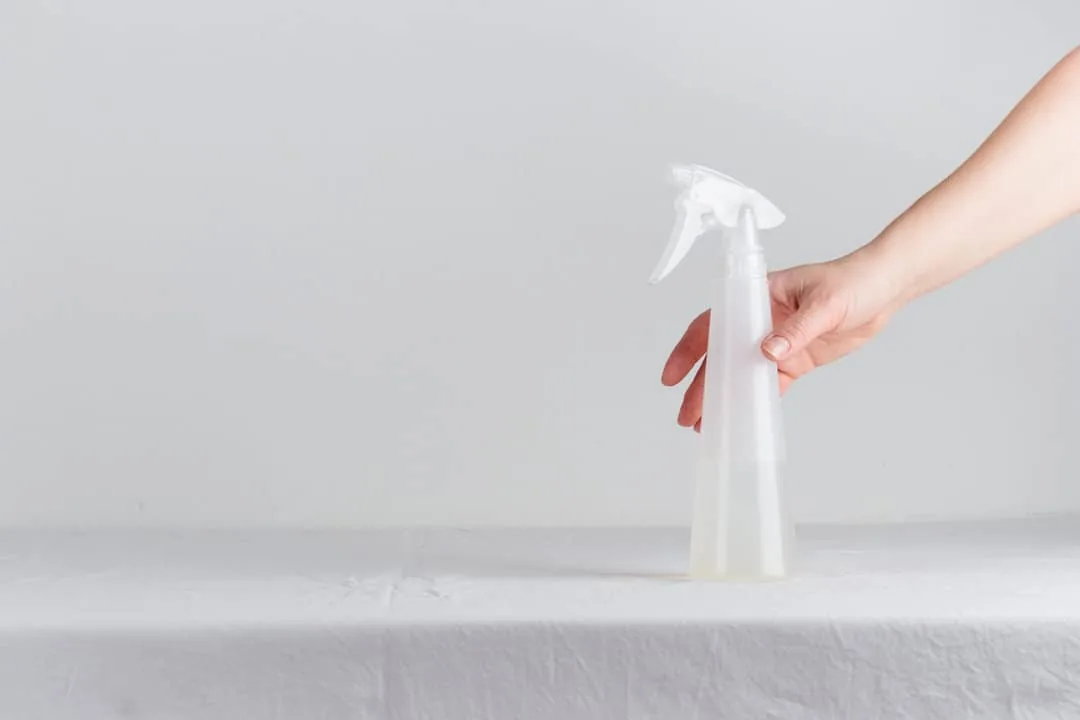
Peppermint Oil Spray
Creating your own peppermint oil spray is simple and effective. All you need is:
Water (2 cups) plus a few drops of dish soap to help the oil mix
A spray bottle
First, fill the spray bottle with water and add the peppermint essential oil.
Shake the mixture well to ensure even distribution of the oil.
Now that you have your own peppermint spray, apply it generously to areas where you suspect mice activity. This will create a fresh, minty atmosphere that mice will avoid.
Remember to reapply the spray as needed, typically every week or so, to maintain its effectiveness.
Cotton Balls with Peppermint Oil
Another method to deter mice is by using cotton balls soaked in peppermint oil. Here’s what you need:
Pure peppermint essential oil
Cotton balls or cotton wool
Start by placing a few drops of the concentrated peppermint oil onto the cotton balls.
Then, strategically place them in areas where mice might lurk, such as corners, cupboards, and basements. (Funny enough, they won’t appreciate your interior decorating!)
Replace these aromatic cotton balls every 5–7 days or when the scent starts to fade.
Diffusers with Peppermint Oil
Peppermint oil diffusers can also help repel mice while pleasing your senses. All you need is:
Add a few drops of the pure peppermint oil to your diffuser’s water tank.
Start the diffuser, and the scent will begin to spread throughout your home, creating a mice-free zone.
Make sure to keep the diffuser running regularly to maintain the scent.
Additional Methods for Mice Repellent
While peppermint oil can effectively help you keep mice away from your home, there are also other essential oils that can protect your living spaces like your car, shed, garage, and RV. Let’s explore some of them!
Eucalyptus Oil
Eucalyptus oil is another reliable option for repelling mice. It has a strong scent that mice find unpleasant, discouraging them from making themselves at home. To use eucalyptus oil as a mice repellent, you can mix a few drops with water in a spray bottle and spray it around your car, RV, shed, or garage. You can also add eucalyptus oil to a diffuser in your home, providing both a lovely scent and an effective mice deterrent.
Cinnamon Oil
Cinnamon oil is known for its warm, spicy, and inviting aroma, but it’s not a favorite for our rodent friends. Mice find the scent of cinnamon oil too strong and uncomfortable. To make your DIY mice repellent with cinnamon oil, mix a few drops with water and a splash of strong mint mouthwash in a spray bottle. Apply the solution around the areas you want to keep mice at bay.
Lavender Oil
Mice may have a sensitive nose, but it’s not fine-tuned for the delightful fragrance of lavender. Lavender oil acts as a powerful natural deterrent that can keep mice far away from your cherished spaces. To make a lavender oil repellent, mix a few drops of lavender oil with water and a little bit of spearmint or wintergreen oil in a spray bottle. Then, spray the mixture around places where you’ve noticed mouse activity.
Remember, your goal is to keep mice away from your sacred spaces. Combining these essential oils with peppermint oil offers you a potent and diverse arsenal against these uninvited guests. Just remember – always be gentle and humane in your approach to repelling mice.
So there you have it, a comprehensive guide on a variety of essential oil-based mice repellents that can help protect your home and your peace of mind! Armed with this knowledge, you may now rest easy knowing that your natural and humane solution is at work.
Implementing Mice Repellent Solutions at Home
Identifying Entry Points
Mice can enter your home through small gaps and cracks, so it’s essential to identify these entry points first. Mice can squeeze through spaces as small as a pencil! So, check around the foundation, windows, doors, and vents for any gaps that need to be sealed.
Sealing Entry Points
Once you’ve identified the entry points, seal them up using caulking or steel wool. Mice are attracted to your home for shelter and food, so keeping them out in the first place is crucial. You can also use weatherstripping around doors and windows to ensure there are no gaps for mice to sneak their way in.
Strategic Placement of Repellent
To create an effective peppermint oil DIY mice repellent, simply dilute a few drops of peppermint oil in water. Fill a spray bottle with this mixture, and you’re good to go! Mice detest the strong smell of peppermint, making it an excellent natural deterrent.
Spray this mixture around the entry points you’ve sealed
Apply it along baseboards, in corners, and behind appliances
Refresh the spray every 2–3 days
Maintenance and Prevention
Keeping mice away from your home requires regular maintenance and prevention:
Clean up food particles and crumbs
Store food in airtight containers
Regularly empty trash cans and avoid leaving food out
Though peppermint oil is effective, don’t rely solely on it. Combining this DIY repellent with proper home maintenance is your best bet. If you’re interested in trying other oils as repellents, consider eucalyptus or lavender oil as they are also known to keep mice at bay.
By implementing these measures, you’ll be well on your way to making your home a mice-free zone! Remember, maintaining a clean home and strategically placing your DIY peppermint oil repellent is essential.
Add about 1 teaspoon of 100% pure peppermint essential oil and a few drops of dish soap to 2 cups of water in a spray bottle, shake well, and spray it along baseboards, entry points, under sinks, and behind appliances.
Does peppermint oil repel mice?
Peppermint oil can repel mice for a short time because its strong menthol scent irritates their sensitive noses, but the scent fades within days. It works best as a deterrent alongside sealing entry points and setting traps, not as a cure for an infestation.
How often should I spray peppermint oil for mice?
Respray every 2–3 days and replace peppermint-soaked cotton balls about once a week, or sooner in warm rooms where the oil evaporates faster.
Where should I put peppermint oil to keep mice away?
Focus on entry points and mouse runs: gaps around pipes, door thresholds, under sinks, behind the stove and fridge, inside cabinets, and along baseboards on exterior walls.
Is peppermint oil safe around pets?
Concentrated peppermint oil can be harmful to cats and irritating to dogs, so keep cotton balls and freshly sprayed areas out of their reach and ventilate treated rooms.
Conclusion
Peppermint oil as a DIY mice repellent is a natural alternative to keep mice away from your home. The main reason it works is that mice have a strong sense of smell, and the powerful scent of peppermint oil is unappealing to them.
Creating your own mouse repellent is easy! Grab some peppermint essential oil and cotton balls, and simply put about 5 drops of oil on each cotton ball. Place these scented cotton balls in areas where you suspect mice activity or entry points.
Stay vigilant and keep refreshing the peppermint oil on the cotton balls about once a week. With patience and consistency, you’ll be able to enjoy a mouse-free home without resorting to harsh chemicals or traps.
Good luck with your DIY peppermint oil mouse repellent endeavors!
Amos is your go-to editor and pest advice enthusiast, blending years of hands-on experience into clear, practical guidance for everyday pest problems. Growing up on a farm near Grandville, Michigan, he spent his days outdoors, learning to deal with wildlife, pests, and nature in real-world settings rather than just from a textbook. That upbringing turned him into a genuine nature lover, comfortable in fields, woods, and around all the critters that come with them. Today, he channels that background into approachable, science-informed articles that help homeowners protect their spaces without overcomplicating the process. When he’s not polishing guides or answering pest questions, you can imagine him most at home outside—observing animal behavior, walking the land, and turning those observations into practical tips you can actually use. His mission is simple: to give you straightforward, reliable pest pointers so you can spend less time worrying about infestations and more time enjoying your home and yard. Check out my Profile.