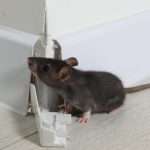
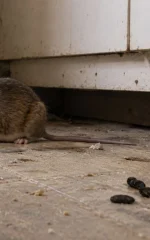
Your quest to maintain a rodent-free environment leans heavily on understanding how a rat’s sense of smell influences its behavior. The tiny critters are highly guided by their noses!
* This post contains affiliate links.
Rat Sense of Smell
Rats have a remarkably sensitive sense of smell, which they rely on to navigate their environment, locate food sources, and communicate with one another. This fine-tuned olfactory ability means that certain scents can have a pronounced effect on rat behavior. There are some scents that rats hate most, while enjoy others.
Attraction: Rats are often lured by the scent of food, which can range from sweet and savory human leftovers to the more subtle smells of pet feed.
Repulsion: Conversely, potent odors can send them scampering away. It’s not just a dislike; these smells are the bane of their whiskered existence!
These substances can be strategically used to create an invisible barrier that speaks volumes to the olfactory senses of these rodents. When these odors infiltrate a rat’s environment, they send a strong “do not enter” signal to the pest. This is because the odor molecules directly interact with the nerve cells in a rat’s nose, sending immediate avoidance signals to their brains.
Rats will go to great lengths to avoid these powerful scents, altering their usual patterns of exploration and even forgoing established food sources. Consistency is key, as these fragrant foes need to be reapplied regularly to ensure your invisible scent-fortress remains impenetrable. Integrating some these scents into your home through sprays, diffusers, or sachets can establish a scent barrier that is as effective as it is aromatic!
It’s truly fascinating—if a bit disconcerting!—to realize that the same scents you might enjoy for their refreshing qualities are as repelling to rats as a cat’s glare. Using this knowledge, you can tap into natural methods to keep these furry intruders at bay, ensuring your abode remains solely your own. Keep in mind, though, to achieve rat-repelling success, you’ll need to understand the specifics of deploying these scents effectively.
Natural Scent Rat Repellents
Navigating the world of rodent repellents can be a maze, but let’s whisker our way through some naturally effective solutions!
Why it works: The strong scent is overwhelming to rats, yet pleasant for humans.
Eucalyptus: This isn’t just a koala’s favorite; it’s also an adversary in your anti-rat arsenal.
Effectiveness: The fresh, camphoraceous aroma repels rats robustly.
Lavender Oil: More than a relaxation aide, it helps ensure your home isn’t a rat’s paradise.
The science: Rats dislike the intense fragrance, which disrupts their olfactory guidance.
Spices and Herbs
Spices and herbs aren’t just culinary champions; they’re your allies in the repelling rats race:
Garlic: Vampires and rats alike can’t stand the stuff!
Facts: Its pungent smell is rat-repelling and can be planted or used in natural concoctions.
Cayenne Pepper: Rats find this spice quite unappealing despite its popularity in the kitchen.
How it works: The capsaicin in cayenne pepper irritates rats, encouraging them to stay away.
Each natural option provides a non-toxic and eco-friendly method to protect your space from unwelcome furry guests.
Chemical Scent Rat Repellents
Navigating the world of chemical repellents can feel like a maze, but fear not! Let’s zero in on the common deterrents that are both effective against rats and mindful of your home environment.
Common Chemical Rat Deterrents
Ammonia resembles the scent of predators’ urine and thus can act as a powerful repellent. Your nose isn’t deceiving you; that’s ammonia doing its job! However, ammonia must be used with caution due to its pungent nature. A diluted solution can lessen the intensity while maintaining effectiveness (make sure not to mix any cleaners or chemical rat deterrents with one another.)
Rats find the acidic smell of vinegar (still natural) quite off-putting. It’s not just for salads anymore! Distilled white vinegar, when used in moderation, can discourage rats without resorting to more harsh options.
No one would invite bleach to a cocktail party, but it might just be the unsung hero in your battle against rodents. Its strong disinfectant qualities and odor make it a formidable foe against whiskered invaders.
When you opt for chemical deterrents, keep in mind that less is often more. Although effective, overuse can make your home feel like a chemistry lab gone rogue. Here’s to finding that perfect balance that sends rats scampering without turning your space into a no-man’s land!
Remember, always read labels for safety precautions and consider using chemical-free alternatives to avoid the potential pitfalls of toxic chemicals. Keep your home’s atmosphere fresh and welcoming (for humans, that is), because a rat-free zone shouldn’t come at the cost of your own comfort.
Lastly, don’t forget about those versatile cleaning products sitting under your sink. Some might have higher concentrations of ammonia or other compounds that are uninviting to rats. With a bit of ingenuity and a careful eye for ingredient lists, your everyday cleaners can double as a repelling force.
Rat Repellent Strategies
Rats may be wily adversaries, but equipped with the right strategies, you can say goodbye to these uninvited guests. Learn to navigate the odorous battlefield of rat repellency with finesse.
Home Remediation Methods
In the quest to deter rats, your home is the frontline. First things first, identify entry points—those nooks and crannies can be sealed to prevent a furry onslaught.
Natural Deterrents: Rats detest certain smells, so why not turn your home into a rat’s worst nightmare? Consider the following aromatic armory:
Minty Fresh Defense: Soak cotton balls in peppermint oil and distribute them where rats frequent.
Spicy Barrier: A concoction of chili and a dash of soap creates a spray that’s hot stuff for rats but cool and safe for you.
Essential Oils: Lavender and clove oils not only please your nostrils but displease Mr. Ratty.
Remember, it’s not about the intensity of the scent but the specific aversions rats have developed. It’s science, not sorcery!
Professional Pest Control
When the rodent riddle perplexes beyond DIY remedies, professional pest control services swoop in.
Professional Pest Control:
Expert Evaluation: They’ll assess your rat ruckus with a detective’s keen eye!
Tailored Tactics: Rodent control isn’t one-size-fits-all; experts customize strategies that cater to your specific situation.
Follow-Up: Consistent check-ins ensure that your rat woes diminish over time.
With professional help, you are armoring your abode with the latest in pest deterrent technologies. It’s a partnership where you bring the problem, and they bring the science. No more ratty shenanigans on your watch!
Preventive Measures Against Rat Infestation
To secure your castle against the rodent royalty, think like a rat to keep it out—focus on entry points and create an unwelcoming environment!
Sealing Entry Points
You wouldn’t leave the door open for uninvited guests, so make sure rats find no open invitations to your home. These crafty critters need only a tiny entrance to turn your abode into theirs! Here are specifics:
Inspect your home thoroughly: Check for cracks, holes, and gaps. Pay special attention to where utility lines enter.
Seal up entry points: Use materials that are tough for rats to chew through, like steel wool, metal flashing, or concrete.
Environmental Management
Creating an unwelcoming atmosphere can make all the difference:
Keep it clean: Regularly dispose of garbage and store food in airtight containers.
Eliminate water sources: Fix leaks and ensure proper drainage.
Avoid creating a habitat: Trim those bushes and keep the yard tidy to reduce nesting spots!
Remember, it’s not just about keeping your home sealed; it’s about making it the last place a rat wants to be!
Predators and Natural Rat Enemy Scents
With whiskers twitching and noses that would put fine wine connoisseurs to shame, rats are particularly sensitive to certain aromas, especially those reminiscent of their natural predators. Let’s zero in on the science behind why scents from predators can send rats scurrying in the opposite direction!
Boldly speaking, it’s the potent scent of cat urine that really rings the dinner bell of danger for these rodents. It’s not just old wives’ tales – the fear is encoded in their DNA! When rats detect the scent of cat urine, their instincts scream, “Cat-astrophe ahead!” Rats inherently recognize this scent as a red flag, indicating a high risk of becoming a feline feast.
Now, if the night is their kingdom, owls are the silent rulers, and rightly so. The mere hint of these winged predators can deter rodent royalty. There’s no specific owl scent sold in a bottle; however, the use of predator scents in general can include oils or other substances that mimic the threatening aura of these nocturnal hunters.
Citronella oil might be your go-to for mosquito-free BBQs, but guess what? Rats aren’t fans of it either. It may not scream “predator” but exudes an unfamiliar and strong odor that rats tend to avoid. Citronella is a plant, and while not a rat predator, it’s the black sheep of the plant world to these critters – the scent hints at an environment that’s not rodent-friendly.
If dismay is the game, then natural predator scents are the name! Use these scents to your advantage with a touch of humor—rats detest these predators and their scents, and you might just get a chuckle imagining their tiny noses turning up in disdain.
Examples of scents disliked by rats:
Cat urine
Scents from predatory birds
Strong herbal oils like citronella
By strategically placing these scents in your space, you’re waving a flag that reads “Danger zone for rats” without causing a flutter in your own daily life. This method harnesses the hardwired fear responses of rats to keep them at bay. Who knew you could be stealthy like an owl in keeping your home rodent-free?
Robyn is your friendly neighborhood writer, editor, and published author - boasting many years of experience in pest control, from which she magically weaves words into the captivating and engaging posts as we know them. When not tucked behind her laptop screen, she can be found embracing nature in the most thrilling ways possible. Rock climbing? Yes, please! Hiking? Absolutely! Traveling the U.S. with her husband, their lovable three-legged dog, and two mischievous cats? That’s her everyday reality. They live, love, and work in their cozy campervan, letting the road take them where it will, and finding inspiration in every sunrise, mountain peak, and wildlife sighting they encounter. Check out my Profile.
Pest Pointers was started in a cozy corner of Upstate New York, known for its expansive pastures, dense woods, and abundant wildlife pests. We are dedicated to providing YOU with solutions and insights into managing common pest issues. Starting out on over 50 acres of land and a freshwater bass pond with abundant pests, we combine firsthand experience with dedicated advice to help you tackle even the toughest of critters!