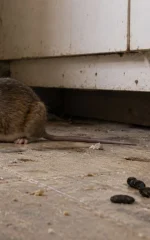
Quick answer: What attracts rats is easy food, water, and shelter. The biggest draws are pet food, bird seed, unsealed garbage, compost with food scraps, fallen fruit and nuts, pet droppings, dense vegetation like ivy, cluttered woodpiles, and gaps in your home’s exterior. Remove the food, thin the cover, and seal openings larger than 1/4 inch, and rats have little reason to stay.
Rats don’t show up by accident. If you’re seeing droppings, gnaw marks, or rats running along the fence at night, something on your property is giving them what they need.
In this guide, I’ll walk you through what attracts rats to your house and yard, how to spot each attractant, and exactly how to remove it. If rats are already inside, start with what to do if you find a rat in your house.
* This post contains affiliate links.
Why Rats Come Around in the First Place
Rats need three things: food, water, and shelter. The University of California IPM program says the most permanent form of control is to limit food, water, shelter, and access to buildings. Both common rats, the Norway rat and the roof rat, are opportunistic and adapt easily to living near people, according to Oregon State University Extension.
The two species have slightly different tastes. UC IPM says roof rats prefer fruits, tree nuts, berries, slugs, snails, young birds, and bird eggs, while Norway rats prefer cereal grains, meats, fish, nuts, and some fruits, though both eat whatever is abundant.
11 Things That Attract Rats to Your House
1. Pet Food Left Out
UC IPM warns that where dogs are kept and fed outdoors, rats can become a problem if there’s a ready supply of dog food. Feed pets only what they’ll eat at one meal, and store pet food in metal or heavy plastic bins with tight lids.
2. Bird Feeders and Spilled Seed
Oregon State lists bird seed as one of the main foods that draw rats. Seed that falls to the ground is an all-night buffet. Use a tray to catch spills, keep seed off the ground, use baffles, and hang feeders away from eaves and fences.
3. Unsealed Garbage
Open or overflowing bins are one of the most common rat magnets. UC IPM recommends tight-fitting covers on all garbage containers and keeping them clean of food residue, including grease films, whether they’re full or empty.
4. Compost Piles
Compost with kitchen scraps attracts rats, and Oregon State notes that even compost without food waste can attract rats if it isn’t hot enough to kill the insects rats feed on. Use a hot composting method or a closed bin, and never add meat, fish, eggs, or eggshells. UC IPM says rats sometimes burrow beneath piles that contain them.
5. Fallen Fruit and Nuts
Fruit and nut trees are a major draw, especially for roof rats. UC IPM says roof rats eat avocados and citrus, often while the fruit is still on the tree, and leave hollowed-out orange rinds hanging. Pick ripe fruit promptly and remove anything that drops.
6. Vegetable Gardens
Rats eat ripening vegetables, fruits, and flowers, and gnaw on the roots and stems of some plants. Harvest promptly and clear out spent crops at the end of the season.
7. Pet and Animal Droppings
It’s unpleasant, but rats eat feces. UC IPM advises cleaning up droppings from dogs, cats, and other animals so they don’t feed rats.
8. Chicken Coops and Animal Feed
Chicken feed is a top attractant. Oregon State recommends protecting feed and coops with hardware cloth with openings smaller than chicken wire, burying the base several inches underground, and sealing any openings larger than a nickel.
9. Dense Vegetation and Climbing Plants
UC IPM says both rat species are highly attracted to vegetation that is dense or close to the ground. Climbing ivy, star jasmine, and honeysuckle on fences or buildings help roof rats travel and nest. Thin dense plantings, prune shrubs at least 2 feet from the house, and cut back tree limbs within 6 feet of the roof.
10. Woodpiles, Clutter, and Debris
Rats burrow beneath rubbish and woodpiles. UC IPM recommends tidy, off-the-ground storage of firewood, lumber, boxes, and garden equipment. Stack firewood on a rack and keep it away from the house. If rats are digging under your deck, see rat holes under decking.
11. Water and Easy Ways Inside
Leaky outdoor faucets, pet water bowls, birdbaths, and standing water give rats a drink. Gaps in your home give them shelter. UC IPM says young rats can squeeze under a door with only a 1/2-inch gap and recommends sealing all holes larger than 1/4 inch.
What Attracts Rats Inside Your Home?
Food in open packages: Cereal, grains, pet food, and snacks in cardboard or paper.
Crumbs and dirty dishes: Food left on counters, stovetops, and in the sink overnight.
Clutter: Boxes in garages, basements, and attics make perfect nesting spots.
Warmth: In fall and winter, rats move toward warm attics, walls, and appliances. See where rats go in winter.
Store food in glass, metal, or heavy plastic containers, wipe up spills daily, and keep storage areas tidy so you can spot signs early. Learn the signs in what rat droppings look like.
How to Make Your Property Less Attractive to Rats
Attractant
What to do
Pet food and animal feed
Feed in single meals; store in sealed metal or heavy plastic bins
Bird seed
Use trays and baffles; hang feeders away from eaves and fences
Garbage
Tight lids; clean bins regularly
Compost
Hot or closed system; no meat, fish, or eggs
Fruit and nuts
Harvest promptly; pick up drops daily
Dense plants and ivy
Thin plantings; prune 2 ft from house; trim limbs 6 ft from roof
So, what attracts rats? Food, water, and shelter: pet food, bird seed, garbage, compost, fallen fruit, droppings, dense vegetation, woodpiles, and gaps in your walls. Take those away, seal openings larger than 1/4 inch, and trap any rats that are already around. Rats will quickly look elsewhere.
Keep Pest Pointers in mind for all your pest control needs!
What Attracts Rats? FAQs
What attracts rats the most?
Easy food is the biggest draw: pet food, bird seed, unsealed garbage, compost with scraps, and fallen fruit. Shelter such as dense vegetation, woodpiles, and clutter keeps them around.
What attracts rodents to a clean house?
Even clean homes can offer warmth, water, and gaps to get in. Rats may also be drawn by food outside, like bird feeders, pet food, or fruit trees, and then find a way inside.
What plants attract rats?
Dense, low vegetation, climbing ivy, star jasmine, honeysuckle, and fruit or nut trees attract rats by giving them food, cover, and routes onto roofs.
Does dog poop attract rats?
Yes. Rats eat feces, so UC IPM recommends cleaning up after dogs, cats, and other animals regularly.
Does compost attract rats?
It can. Open piles with food scraps attract rats, and even piles without food can draw them if they aren’t hot enough to kill the insects rats eat. Use a hot or closed compost system.
How do I stop attracting rats?
Store pet food and feed in sealed bins, clean up seed and fallen fruit, use tight garbage lids, thin vegetation, store wood off the ground, and seal gaps larger than 1/4 inch.
Amos is your go-to editor and pest advice enthusiast, blending years of hands-on experience into clear, practical guidance for everyday pest problems. Growing up on a farm near Grandville, Michigan, he spent his days outdoors, learning to deal with wildlife, pests, and nature in real-world settings rather than just from a textbook. That upbringing turned him into a genuine nature lover, comfortable in fields, woods, and around all the critters that come with them. Today, he channels that background into approachable, science-informed articles that help homeowners protect their spaces without overcomplicating the process. When he’s not polishing guides or answering pest questions, you can imagine him most at home outside—observing animal behavior, walking the land, and turning those observations into practical tips you can actually use. His mission is simple: to give you straightforward, reliable pest pointers so you can spend less time worrying about infestations and more time enjoying your home and yard. Check out my Profile.