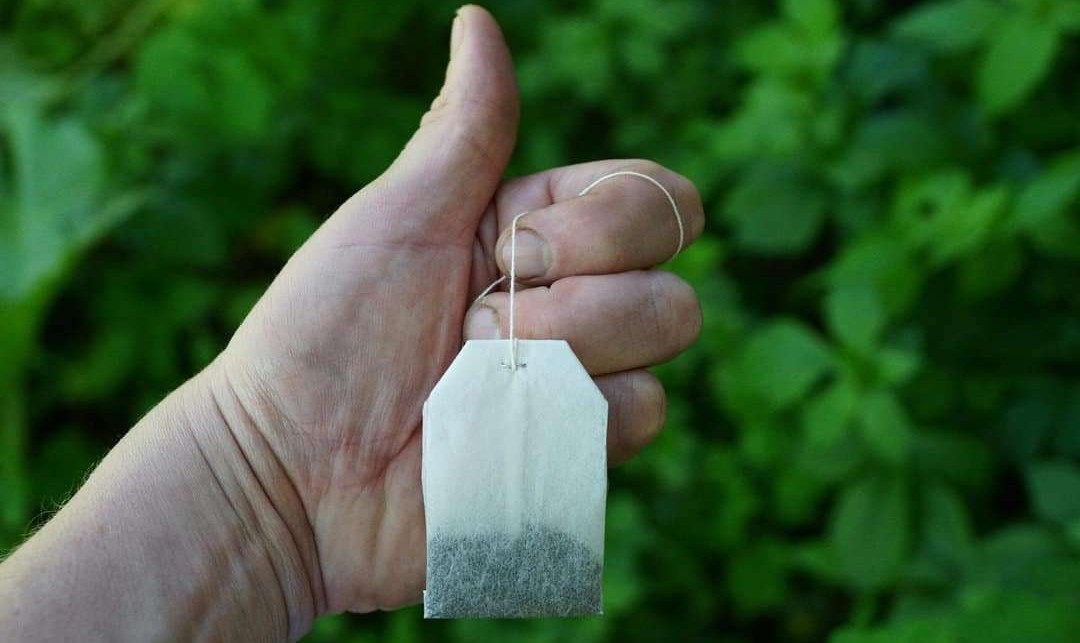
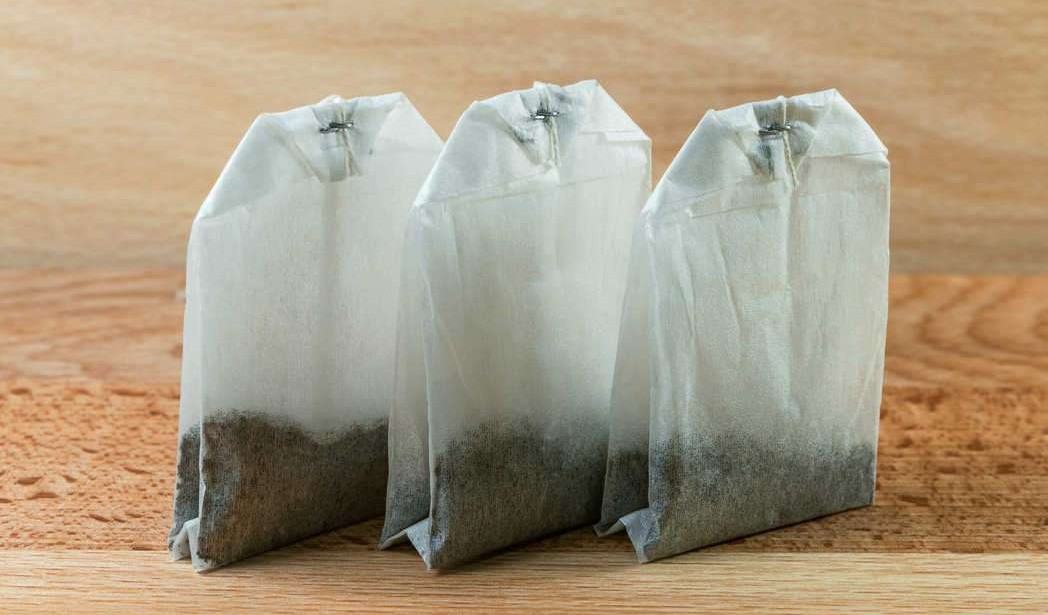
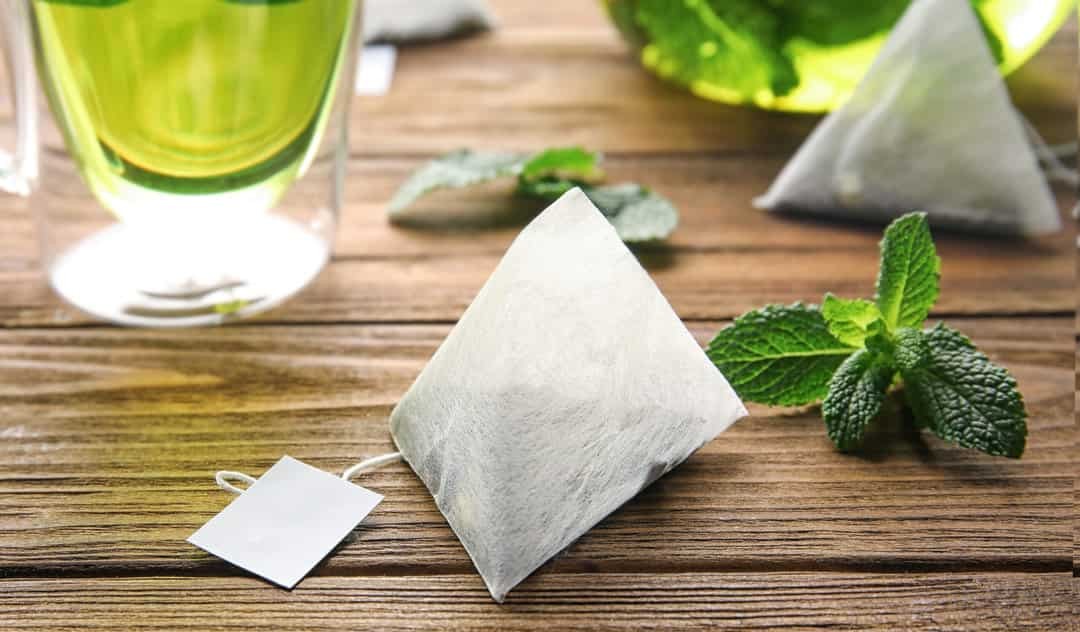
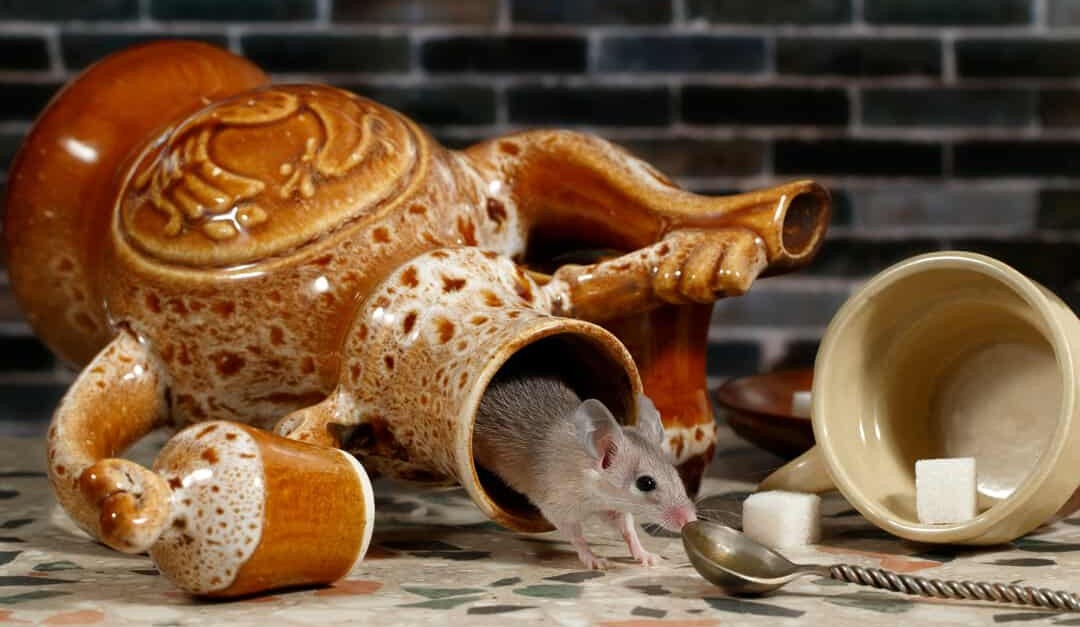
Knowing how to use tea bags to keep mice away is more useful than most people realize. Mice depend on smell more than any other sense. A scent strong enough to overwhelm their olfactory system sends them looking for a different home.
Tea bags, especially peppermint and black tea, carry aromatic compounds that mice find genuinely aversive. They are low-cost, non-toxic, and something most households already have. That makes them one of the most practical first-line deterrents available.
This guide covers which tea types work and why, where to place them, and how to boost their strength. It also covers what to pair them with for full prevention. Whether you are seeing early signs of mouse activity or just want to keep them out, this has you covered.
Key Takeaways
Peppermint is the top choice, menthol activates the TRPA1 receptor in mice, triggering direct nasal discomfort and active aversion.
Black tea works differently, using tannins to produce a heavy, astringent odor that mice consistently avoid.
Placement matters more than quantity. Target exterior entry points first, then pantries, under-sink areas, and cabinet corners.
Replace bags every two to three days in open areas, and every five to seven days in enclosed spaces.
A few drops of peppermint essential oil on the bag significantly extends its effectiveness between replacements.
Tea bags are a deterrent, not a cure. Pair them with sealed entry points and airtight food storage for full prevention.
* This post contains affiliate links.
Why Mice Rely So Heavily on Smell
Mice have roughly 1,200 types of odor receptors, according to research from Harvard Medical School. Humans have around 350. That gap explains why scent-based deterrents affect mice so differently than they affect us.
Mice use smell for nearly everything. They detect food sources, map territory, communicate through pheromones, and sense predators all through their noses. A scent that seems mild to a person can be genuinely disorienting to a mouse.
Strong aromatic compounds can do two things at once. They irritate nasal passages directly and mask the pheromone trails mice use to track familiar paths. That disrupts the internal map telling them where food and shelter are.
The Science Behind Tea Bags as a Mouse Repellent
Tea bags do not repel mice through magic or folk tradition. Two distinct chemical mechanisms explain the effect, one from menthol in peppermint tea, and another from tannins in black tea. Understanding both helps you pick the right tea for the right location.
How Menthol Affects Mouse Behavior
Peppermint tea contains menthol, the compound responsible for that sharp, cooling sensation. A study published in the Journal of Neuroscience found that high menthol concentrations activate the TRPA1 ion channel in mice. That receptor is directly linked to irritation and aversion responses.
This is not just unpleasant for mice. It causes active discomfort in their nasal passages. That discomfort makes menthol-scented areas feel genuinely hostile to them.
Research in the Chiang Mai University Journal of Natural Sciences confirmed peppermint’s short-term repellent activity in behavioral maze tests. The limitation: effectiveness fades over time unless the scent is refreshed regularly.
Why Black Tea Works Differently
Black tea repels through a different mechanism. It contains tannins, polyphenolic compounds with a heavy, astringent odor that mice find strongly aversive (Journal of Agricultural and Food Chemistry). Tannins are also present in green and white tea, though in lower concentrations.
The scent profile of black tea is bitter and intensely aromatic. It lacks menthol’s direct nasal irritation. Still, it functions as a reliable deterrent in enclosed spaces like cabinets, pantries, and wall gaps.
Types of Tea That Repel Mice
Not all tea bags perform equally. Below is a breakdown of the most effective options and their key repelling compounds:
Tea Type
Key Repelling Compound
Repels Mice?
Peppermint Tea
Menthol
Yes – best option
Spearmint Tea
Carvone
Yes
Black Tea
Tannins, caffeine
Yes
Green Tea
Catechins, caffeine
Yes
White Tea
Catechins, caffeine
Yes
Lemon Balm Tea
Limonene
Yes
Lavender Tea
Linalool
Yes
Chamomile Tea
Chamazulene
Yes
Eucalyptus Tea
Eucalyptol
Yes
Peppermint remains the strongest option because menthol directly triggers an aversion response in mouse sensory neurons. Spearmint contains carvone, which is chemically similar and carries comparable intensity.
Black tea is a strong secondary choice for areas where you want long-lasting scent coverage. Its tannin content creates a heavy, persistent aroma even as the bag dries.
How To Use Tea Bags To Keep Mice Away
The method matters as much as the tea type. A peppermint tea bag tossed randomly in a corner will do little. Strategic placement along actual mouse pathways, combined with proper preparation and regular replacement, is what makes this approach effective.
Step-By-Step Placement Method
Getting the placement right matters more than the volume of tea bags you use. Mice enter and move through specific pathways, focus your placement on those routes.
Brew a cup of your chosen tea and allow the bag to cool completely. A warm bag will release more aroma, but a dripping bag will mold quickly and lose effectiveness. Squeeze out excess moisture before placing.
Put the used tea bag directly at or near the target location. Replace every two to three days, since the scent dissipates quickly in open areas.
Where To Place Tea Bags in Your Home
Placement should follow mouse logic, not human logic. Mice move along walls, through tight gaps, and into dark enclosed spaces. Target those zones specifically.
Place tea bags at exterior entry points first: gaps around pipes, foundation cracks, spaces beneath doors, and weep holes in brick. These are primary access points where scent barriers do the most preventive work.
Inside the home, focus on the pantry, under the sink, behind appliances, in cabinet corners, and near garbage bins. Dark, low-traffic areas near food or water sources are where mice spend the most time.
How To Boost Tea Bag Effectiveness
A used tea bag has lower menthol or tannin concentration than a fresh one. You can compensate by boosting the scent directly on the bag.
Add two to three drops of NaturoBliss Peppermint Essential Oil directly onto a cooled peppermint tea bag. This combines the loose herb in the bag with a concentrated oil dose, extending effectiveness significantly.
For high-activity areas, use two bags placed a few inches apart rather than a single bag. Gently squeeze each bag before placing to release additional oil from the dried tea leaves inside.
Other Natural Scents That Repel Mice
Tea bags work well as part of a broader scent strategy. Several other natural substances create an environment mice will avoid.
Peppermint Essential Oil on Cotton Balls
Soak cotton balls in NaturoBliss oil and place them alongside or instead of tea bags in tight spaces. Cotton balls hold oil longer than tea bags. Just add a few drops every few days without replacing the cotton ball itself.
Peppermint oil has a higher menthol concentration than tea bags. It works best in enclosed spaces like cabinet interiors, drawer bottoms, and behind appliances. The scent builds up there rather than dispersing.
Clove essential oil contains eugenol, a compound with a sharp, penetrating scent that irritates rodent nasal passages. Place a few drops on cotton balls and position near suspected entry points. The scent is intense enough to reach mice even through small cracks.
Refresh the cotton balls every three to four days, since eugenol evaporates faster than menthol. Clove oil pairs well with peppermint tea bags, the two scents complement each other and slow sensory adaptation. Mice exposed to one scent too long can start to ignore it, so rotating between the two is a smart move.
Cayenne Pepper
Capsaicin, the active compound in cayenne pepper, affects the sensory nerves of mice on contact. Sprinkle cayenne near potential entry points or behind appliances. It works differently from scent-based mice repellents, it requires physical contact, so it complements rather than replaces tea bags.
Use cayenne along baseboards, in gaps around pipes, and on horizontal surfaces where mice are likely to run. Reapply after cleaning or if the area gets damp. Since capsaicin works on contact rather than at a distance, pairing it with peppermint tea bags covers both interception points.
Sealing Entry Points: The Step Tea Bags Can’t Replace
Tea bags create an olfactory barrier, but they cannot physically block entry. Mice can squeeze through gaps as small as a quarter inch. Even the most fragrant tea bag won’t stop a determined mouse that has already located food inside your home.
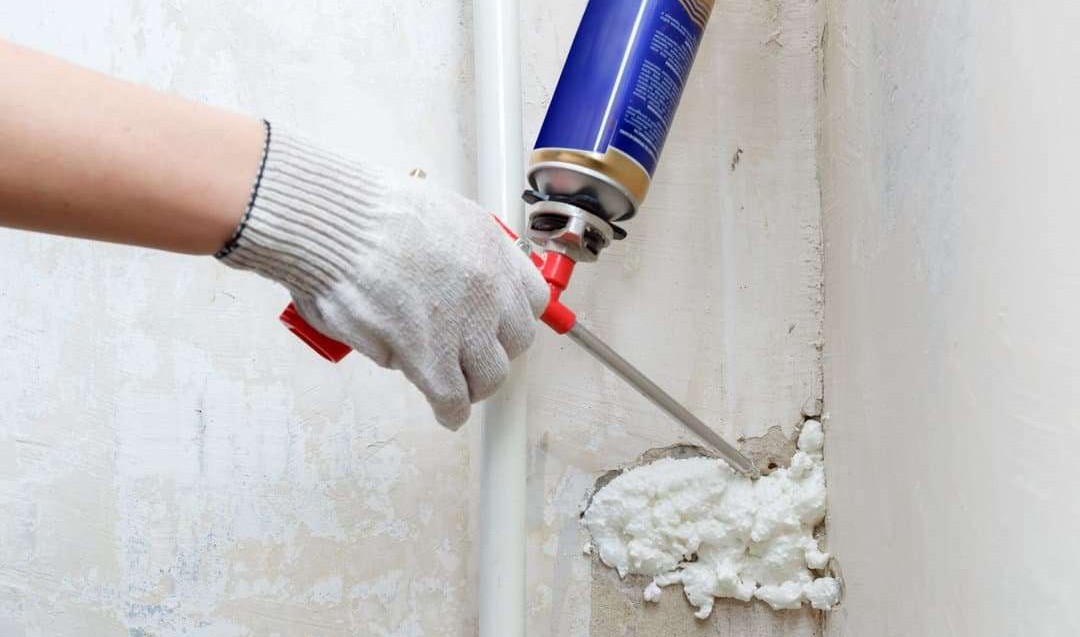
Inspect your foundation, exterior walls, and utility penetrations for any gaps or cracks. Fill small openings with Gorilla Waterproof Caulk & Seal 100% Silicone Sealant. For larger gaps, pack steel wool into the opening first, then seal over it, mice cannot chew through steel wool.
Check door sweeps, weather stripping, and window screens for worn areas. These low-profile gaps are often overlooked but are among the most common entry routes. Replace any compromised seals before relying on tea bags as a deterrent.
Limitations of Using Tea Bags To Repel Mice
Tea bags are a deterrent, not an elimination method. Understanding where they fall short helps you use them more effectively.
Scent fades quickly in open or ventilated spaces. A tea bag in a breezy hallway will lose its effectiveness within a day. In enclosed spaces, drawers, cabinets, wall voids, it performs far better because the scent concentrates.
Mice can also adapt to persistent scents over time, particularly if food motivation is strong enough. Research confirms that peppermint’s repellent activity decreases after about a week of constant exposure without refreshing. Rotating tea types or combining scents can slow adaptation.
Tea bags should be viewed as one layer in a multi-method approach. Combined with sealed entry points and clean food storage, tea bags become a genuinely effective part of a prevention strategy.
Maintaining a Mouse-Free Environment
Scent deterrents work best in a home that gives mice few other reasons to stay. Food access and clutter are the two biggest attractants.
Store all dry goods in airtight containers. Mice can detect food through thin cardboard and plastic bags, sealed glass or hard-sided containers eliminate this signal entirely. Empty trash daily and wash dishes promptly so food residue doesn’t accumulate.
Reduce clutter in storage areas, basements, and garages. Mice build nests in undisturbed piles of soft material. Removing that option directly cuts down on their ability to establish a presence in your home.
When To Call a Professional
If you are seeing droppings consistently, finding chewed materials, or hearing movement in walls, a tea bag strategy alone is not sufficient. An active infestation requires professional intervention.
Use our nationwide pest control finder to connect with a licensed local professional. Pest control specialists identify all entry points, assess severity, and apply targeted treatments. They address the root cause, not just the symptoms.
Tea bags are ideal for prevention and early deterrence. Once mice have established nesting areas, physical control methods and professional exclusion work become necessary.
Final Thoughts
Knowing how to use tea bags to keep mice away gives you a practical, low-cost tool with real science behind it. Peppermint triggers nasal discomfort via the TRPA1 receptor, and black tea’s tannins create a heavy aromatic barrier mice consistently avoid. Neither is a one-and-done fix, but both work reliably when placed correctly and refreshed on schedule.
The most effective approach layers tea bags with sealed entry points and supplementary scents like clove oil or cayenne. Tea bags handle the perimeter and enclosed spaces, while exclusion methods close the physical gaps. Together they remove the two things mice need most, access and resources.
Start with peppermint tea bags at your highest-risk entry points and black tea bags in pantries and cabinet interiors. Boost both with a few drops of peppermint oil, and swap them out every two to three days. That routine alone is enough to deter mice from making your home theirs.
References
Jake Miller (2011). The Smell of Danger, Rodent olfaction and the chemistry of instinct. Harvard Medical School
Yaowared Chulikhit, et al. (2022). The Repellent Potential of Herbal Oils Alone and in Combination in Mouse Behavioral Models (Mus musculus). Chiang Mai University Journal of Natural Sciences
Manuel Ramírez, et al. (2011). Aversive Effect of Tannic Acid on Drinking Behavior in Mice of an Inbred Strain: Potential Animal Model for Assessing Astringency. Journal of Agricultural and Food Chemistry
Robyn is your friendly neighborhood writer, editor, and published author - boasting many years of experience in pest control, from which she magically weaves words into the captivating and engaging posts as we know them. When not tucked behind her laptop screen, she can be found embracing nature in the most thrilling ways possible. Rock climbing? Yes, please! Hiking? Absolutely! Traveling the U.S. with her husband, their lovable three-legged dog, and two mischievous cats? That’s her everyday reality. They live, love, and work in their cozy campervan, letting the road take them where it will, and finding inspiration in every sunrise, mountain peak, and wildlife sighting they encounter. Check out my Profile.
Pest Pointers was started in a cozy corner of Upstate New York, known for its expansive pastures, dense woods, and abundant wildlife pests. We are dedicated to providing YOU with solutions and insights into managing common pest issues. Starting out on over 50 acres of land and a freshwater bass pond with abundant pests, we combine firsthand experience with dedicated advice to help you tackle even the toughest of critters!