If you’re tired of unwanted mice invading your home, your spice cabinet may already have the answer. Learning how to make a homemade pepper mouse repellent is simpler than you think, and it works because of real science, not just folklore.
Mice rely on smell far more than humans do. Their olfactory system is sensitive enough to detect food, predators, and threats from impressive distances. Strong, pungent aromas, especially spicy ones, overwhelm their senses and push them to look elsewhere.
The capsaicin in hot peppers (and piperine in black pepper) irritates rodent nasal passages and mucous membranes. This makes pepper one of the most accessible, eco-friendly tools in a natural mouse-control strategy.
Key Takeaways:
Hot peppers irritate a mouse’s nasal passages and mucous membranes, triggering real behavioral avoidance rather than a simple masking scent.
Pepper sprays lose potency within two to three days, and moisture speeds up that breakdown, so consistency matters more than the initial application.
Sealing entry points and removing food sources are essential companions to any repellent strategy against an active infestation.
Cayenne and tabasco, both around 30,000 to 50,000 SHU, outperform milder peppers like jalapeño or poblano in repelling effect.
Rotating pepper spray with peppermint oil, garlic, or clove oil attacks mouse senses from multiple angles, making it harder for them to adapt.
* This post contains affiliate links.
What Makes Pepper Effective Against Mice?
Pepper works on mice through chemistry, not chance. Capsaicin and piperine, the active compounds in hot and black peppers, directly irritate a mouse’s nasal passages, making any treated area feel hostile and uninhabitable.
The Science Behind Capsaicin
Capsaicin is the active compound found in hot peppers that gives them their heat. For mice, it does more than create a burning sensation, it actively changes their behavior.
A study on capsaicin’s aversive effect on house rats (Rattus rattus) found that rodent repellent materials coated with 1.0% and 3.0% capsaicin effectively expelled mice over a 7-day period.
A field study published in Pest Management Science found that Norway rats and house mice consumed 55–98% less capsaicin-treated poultry feed than untreated feed, showing that capsaicin can act as an effective feeding deterrent for rodents.
A 2010 study looking at five different repellents tested on wood mice and grey squirrels concluded that capsaicin was the most effective of all options tested. It is not a foolproof elimination method, but as a deterrent it consistently outperforms many alternatives.
Why Mice Hate Pungent Smells
Mice have a sense of smell nearly three times more powerful than a human’s. What seems mildly spicy to you is genuinely overwhelming to them.
Strong aromas do two things simultaneously. They irritate the mucous membranes in the mouse’s nose, and they mask the food and nesting scents that attract mice in the first place. Removing both incentives at once makes treated areas far less appealing.
Black pepper works through a similar mechanism. Its active compound, piperine, produces a strong olfactory aversion in mice. However, black pepper loses potency quickly once exposed to air, so it requires more frequent reapplication than capsaicin-based solutions.
Limitations You Need to Know
Pepper repellents are most effective as a preventive layer, not a standalone cure. If your home has significant attractants, open food sources, entry holes, or heavy clutter, pepper alone will not drive out an established infestation.
Think of it as one tool in a broader strategy. Used alongside sealing entry points and maintaining cleanliness, pepper repellents can meaningfully reduce mouse activity. Used in isolation against a serious infestation, results will be inconsistent.
Homemade Pepper Mouse Repellent Spray Recipe
Making your own pepper-based spray takes only a handful of pantry staples and about thirty minutes of prep time. Below is a straightforward recipe that maximizes capsaicin extraction so your spray delivers real repellent strength from the first application.
Ingredients You’ll Need
Gather these before you start:
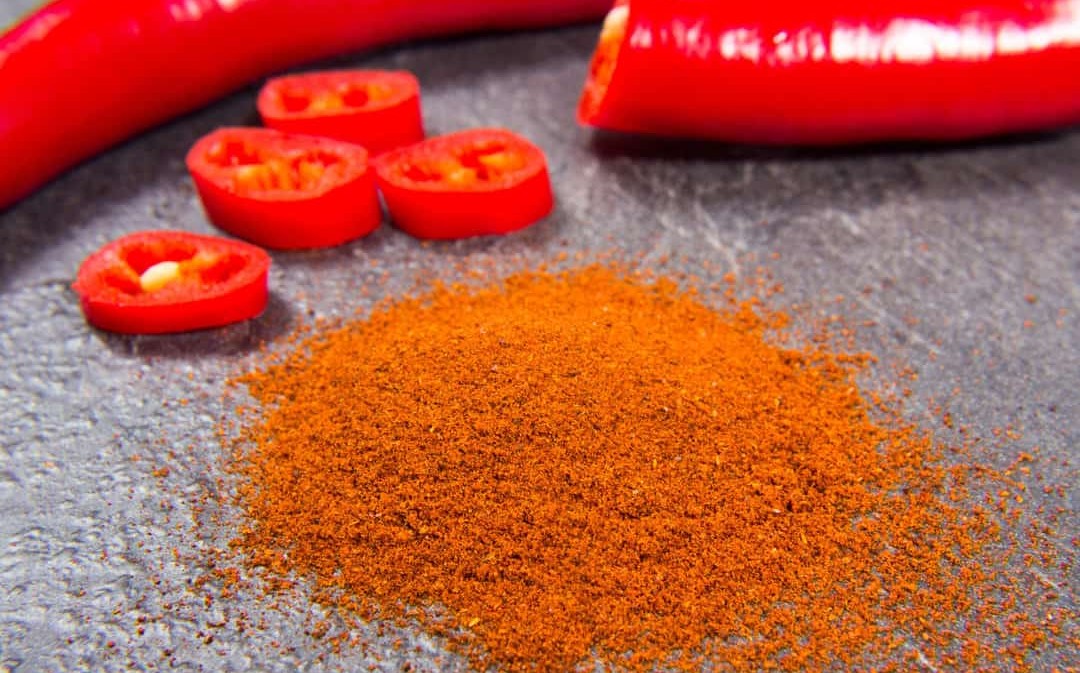
Hot peppers – jalapeños, cayenne, serrano, or tabasco varieties work well
2 cups of water – filtered or tap both work
Biodegradable dish soap – a few drops act as a surfactant to help the spray stick
Cheesecloth or fine sieve – for straining particles before bottling
Spray bottle – for easy targeted application
Gloves – essential when handling high-heat peppers
You can also substitute fresh peppers with powdered versions. Use one tablespoon of cayenne powder or chili powder per cup of water. The hotter the pepper variety, the stronger the deterrent.
Here’s a quick reference for pepper heat levels measured in Scoville Heat Units (SHU):
Pepper
SHU Range
Anaheim
500–2,500
Poblano
1,000–2,000
Jalapeño
2,500–8,000
Serrano
10,000–23,000
Cayenne
30,000–50,000
Tabasco
30,000–50,000
Black pepper is not measured in SHU since it is not a chili pepper, but it still carries repellent properties through piperine.
Step-by-Step Preparation
Follow these steps to prepare the best pepper mouse repellent spray that works:
Step 1: Select several potent peppers and grind them into flakes, or measure out two to three tablespoons of powdered cayenne or chili powder. Higher heat means stronger deterrence.
Step 2: Mix the pepper flakes or powder with two cups of water. For powder, use one tablespoon per cup of water as your base ratio.
Step 3: Bring the mixture to a gentle simmer on the stove. Let it cook for 20 minutes. This releases the essential oils from the peppers into the water and significantly boosts potency.
Step 4: Remove from heat and allow the mixture to cool completely before straining. Pouring hot liquid into a spray bottle can warp the plastic and reduce accuracy.
Step 5: Strain the cooled solution through cheesecloth or a fine sieve. This removes solid particles that would clog your spray nozzle.
Step 6: Add a few drops of biodegradable dish soap to the strained liquid. The soap helps the solution adhere to surfaces rather than beading and running off. Mix gently while cool to avoid excess foam.
Step 7: Pour the finished solution into a spray bottle. Label it clearly, keep it away from children and pets, and store it in a cool, dark place to preserve potency.
How to Apply the Spray Correctly
Application method matters as much as the recipe itself. Random spraying is far less effective than targeted treatment. Focus on areas where you have seen signs of mouse activity, rat droppings, gnaw marks, grease trails along baseboards.
Entry points like gaps around pipes, door frames, and foundation cracks deserve extra attention. Spray along the perimeter of cabinets, pantries, and underneath appliances where mice travel most.
Reapply every two to three days indoors, and after every rain if used outside. Capsaicin and piperine both lose potency over time, and moisture accelerates that degradation. Consistent reapplication is what separates a working deterrent from an occasional inconvenience to mice.
Chili Powder and Red Pepper as Repellent Alternatives
Don’t have fresh peppers on hand? Chili powder and red pepper flakes deliver the same capsaicin punch in a shelf-stable, ready-to-use form. These pantry staples work well as dry barriers or spray bases, making them a convenient substitute when you need a quick solution.
Using Chili Powder
Chili powder is a convenient and widely available form of capsaicin that works well as both a dry barrier and a spray base. Sprinkle it around doorways, along cabinet edges, behind appliances, and near any suspected entry points.
For a spray version, mix equal parts chili powder and water, add a few drops of dish soap, and apply to surfaces. The capsaicin content in chili powder overwhelms mice’s olfactory systems and creates a sensory barrier they instinctively avoid.
A quality bulk option like Spice Classics Chili Powder keeps costs low when you’re treating large areas or reapplying frequently.
One Practical Note
Chili powder in dry form is vulnerable to wind and moisture. Apply it in sheltered spots indoors where airflow is minimal, and replace it every one to two days to maintain effectiveness.
Using Red Pepper Flakes
Red pepper flakes offer a coarser, longer-lasting dry application option than ground powder. Sprinkle them in corners, along wall edges, and near potential nesting areas. Their texture also makes them harder for mice to accidentally scatter when moving through treated zones.
For a red pepper spray, mix one tablespoon of red pepper flakes or powder with two cups of white vinegar and half a cup of water in a spray bottle. White vinegar adds its own deterrent scent while helping the capsaicin remain in suspension.
Shake the bottle before each use, as the active compounds tend to settle. Reapply every few days or any time the treated area gets wet.
A Spicier Combined Formula
For maximum deterrence, combine multiple irritants into one spray. This recipe pulls from the best of all three pepper types:
Mince hot peppers and garlic into small pieces.
Combine with chili powder, black pepper, and a few drops of clove oil.
Mix into white vinegar to form a liquid base.
Add mint tea bags and let them steep for a few hours.
Heat on the stove for 10–15 minutes, then cool completely.
Strain, add dish soap, and pour into a spray bottle.
The layered combination of capsaicin, piperine, eugenol from clove oil, and menthol from mint attacks mouse senses on multiple fronts simultaneously. This makes it harder for them to acclimate to any single scent over time.
Other Natural Mouse Repellents Worth Trying
Pepper isn’t the only scent mice hate. Several other household ingredients and natural products can reinforce your defense, each working through a slightly different mechanism to make your home feel unwelcoming to unwanted rodents.
Peppermint Oil
Peppermint oil is the most researched natural mouse deterrent. Its menthol compounds irritate the mucous membranes in a mouse’s nose, creating an environment they actively avoid. Applied consistently at high concentrations, it performs well as a preventive barrier.
Mighty Mint Rodent Repellent Spray uses peppermint oil as its primary active ingredient and is a ready-to-use option for those who prefer not to mix their own. It requires less setup than DIY formulas and still leverages the same mechanism of sensory overload.
The main drawback is reapplication frequency. Peppermint oil can lose effectiveness within 24 to 72 hours without regular reapplication. Pest professionals note that consistent daily applications at high concentrations are needed for meaningful repellency.
Garlic and Onion
Garlic is a powerful deterrent due to its high allicin content, which produces a sharp, persistent odor that these pesky pests find repulsive. Crush a few cloves and place them near suspected entry points, or create a spray from minced garlic and water.
Onions work through a similar principle. Slice a fresh onion and place it in areas where mice tend to appear. Replace it every two to three days before it begins to mold, since a rotting onion creates its own unpleasant, and unhygienic, problem.
Both garlic and onion lose effectiveness rapidly as they dry out. Treat them as short-term barriers rather than long-term solutions, and rotate them with pepper-based treatments for sustained coverage.
Used Kitty Litter
This one surprises most people, but used kitty litter is a documented behavioral deterrent. The scent signals the presence of a predator, which activates a mouse’s hardwired threat-avoidance response.
Sprinkle small amounts near entry points or along wall edges. Mice that detect predator scent will instinctively seek nesting elsewhere. It will not eliminate mice already established inside the home, but it works well as a perimeter deterrent when placed near exterior entry points.
A spray alone rarely solves a mouse problem on its own. Pairing your pepper repellent with a few structural and habitual changes around the home dramatically improves its odds of keeping mice away for good.
Seal Entry Points First
No repellent, pepper or otherwise, will stop mice if they have easy access to your home. Mice can squeeze through openings as small as a quarter inch. Finding and closing those gaps is the single most effective step you can take.
Use steel wool for small holes and cracks. Steel wool cannot be chewed through, making it a reliable physical barrier. Apply caulk around the steel wool to hold it in place.
For larger gaps, use hardware cloth, metal sheeting, or expanding spray foam. Mice can eventually chew through foam, but its volume and taste tend to discourage them from persisting.
Check around all pipe penetrations, utility line entries, foundation gaps, and the edges of doors and windows. These are the most common access routes.
Keep the Home Clean and Clutter-Free
Mice are attracted to food residue and cluttered hiding spots as much as they are to warmth. Clean kitchen surfaces regularly, sweep up crumbs immediately, and store all food, including pet food, in airtight glass or metal containers.
Clutter creates the kind of sheltered, dark spaces that mice prefer for nesting. Clear out piles of boxes, fabric, or paper from basements, garages, and storage areas. A tidy space offers fewer places to nest and fewer reasons to stay.
Also maintain your outdoor space. Rotting fruit or vegetables near the house, overgrown grass, and wood piles stacked against the exterior wall all attract mice before they ever reach your door.
The most effective natural mouse management layers multiple approaches. Use pepper spray at entry points, peppermint oil along interior walls, and sealed containers for all food. Fix entry holes, remove outdoor attractants, and maintain consistent reapplication of repellents.
No single repellent provides reliable, lasting mouse control on its own. The only approach with consistently proven results combines multiple strategies, exclusion, sanitation, and deterrence working together.
Pepper spray is a meaningful contribution to that system, but it works best as part of a layered plan.
Comparing Natural Mouse Repellents
With so many natural options available, it helps to see them side by side. The table below breaks down each repellent’s active compound, application method, and how often it needs reapplying so you can build the most effective rotation.
Repellent
Application Method
Active Compound
Reapplication Frequency
Cayenne/chili spray
Spray on surfaces and entry points
Capsaicin
Every 2–3 days
Red pepper flakes
Sprinkle in problem areas
Capsaicin
Every 1–2 days
Black pepper
Sprinkle or bag in problem areas
Piperine
Every 24 hours
Peppermint oil
Cotton balls or spray
Menthol
Every 24–72 hours
Garlic
Crushed or sprayed
Allicin
Every 2–3 days
Clove oil
Diluted spray
Eugenol
Every 2–3 days
Used kitty litter
Sprinkle near entry points
Predator scent compounds
Every 3–5 days
Safety Precautions When Using Pepper Repellents
Always wear gloves when handling hot peppers or high-concentration capsaicin solutions. Direct contact with skin or eyes causes significant irritation that can last for hours. Protective eyewear is also advisable when mixing sprays.
Store all pepper repellent solutions out of reach of children and pets. While capsaicin will not harm mice, it simply deters them, accidental ingestion or eye contact is unpleasant for humans and animals alike. Keep cats away from treated surfaces in particular.
Apply sprays in well-ventilated areas. Inhaling concentrated capsaicin particles can temporarily irritate the airways, particularly for individuals with asthma or other respiratory sensitivities. If irritation occurs, flush with water and move to fresh air.
Conclusion
Making a homemade pepper mouse repellent is a practical, affordable, and eco-friendly way to reduce mouse activity in your home.
Knowing how to make a homemade pepper mouse repellent correctly, simmering the peppers, straining the solution, adding dish soap, and applying consistently, determines whether it works or fades out after one application.
Cayenne, chili powder, and red pepper flakes all deliver capsaicin to mouse-prone areas and trigger an avoidance response backed by research.
Combined with sealing entry points, eliminating food sources, and rotating other natural repellents like peppermint oil or garlic, pepper spray becomes part of a genuinely effective rodent management strategy.
Stay consistent with reapplication, address the conditions that invite mice in the first place, and you give yourself real leverage against these persistent invaders, without reaching for harsh chemicals.
References
Ramandeep Kaur and Neena Singla (2017). Effectiveness of pure capsaicin as aversive agent against house rat, Rattus rattus. Connect Journals
Ian H. Willoughby, et al. (2011). The use of repellents to reduce predation of tree seed by wood mice (Apodemus sylvaticus L.) and grey squirrels (Sciurus carolinensis Gmelin). European Journal of Forest Research
Robyn is your friendly neighborhood writer, editor, and published author - boasting many years of experience in pest control, from which she magically weaves words into the captivating and engaging posts as we know them. When not tucked behind her laptop screen, she can be found embracing nature in the most thrilling ways possible. Rock climbing? Yes, please! Hiking? Absolutely! Traveling the U.S. with her husband, their lovable three-legged dog, and two mischievous cats? That’s her everyday reality. They live, love, and work in their cozy campervan, letting the road take them where it will, and finding inspiration in every sunrise, mountain peak, and wildlife sighting they encounter. Check out my Profile.
Pest Pointers was started in a cozy corner of Upstate New York, known for its expansive pastures, dense woods, and abundant wildlife pests. We are dedicated to providing YOU with solutions and insights into managing common pest issues. Starting out on over 50 acres of land and a freshwater bass pond with abundant pests, we combine firsthand experience with dedicated advice to help you tackle even the toughest of critters!