Pest Pointers is a one-stop destination for those searching for humane, pet-safe pest control solutions. While many pest control companies and blogs offer solutions, they typically involve chemical pesticides, dangerous traps that can harm our furry family members, or products that simply don’t work.
Here at Pest Pointers, we’re dedicated to finding homeowners the best pet-safe pest control solutions for a variety of pest problems. Our goal is to use products and practices that are safe for our homes and families, including the ones with fur!
Whether you’re looking for a pet-safe pest control spray, a pet-safe insecticide for the house, or prefer diy pet-friendly pest control, we cover it all.
* This post contains affiliate links.
Why We’re Unique
We aren’t your typical pest solution crew. Instead of simply treating the problem, we offer in-depth options to prevent future infestations and treat current problems. But it doesn’t stop there. We also provide pet-safe pest control solutions that keep your furry friends in mind when dealing with pests.
After reading through our articles on common pests like insects, gophers, moles, and mice, you’ll have a deeper understanding of why these creatures invade your home, not just how to get rid of them.
So, what makes Pest Pointers unique?
Pet Safety
The United States Census Bureau tells us that around 50% of occupied housing units have at least one pet. At Pest Pointers, we care about the safety of your furry family members. Pets bring so much joy and love to our lives, and pet owners understandably want to keep their companions safe.
Dogs and cats are curious by nature, so at Pest Pointers, we search high and low for pet-safe pest control products. Even if those curious furballs sniff or get the product on their fur, our recommended products won’t cause harm.
We also add another tier of detail to our research; barriers, scare tactics, and biological control.
Physical barriers are an excellent way to keep pests out of our homes and yards without resorting to chemicals with unpronounceable names and warning labels surrounding them.
Scare tactics are humane ways to scare off animals (think of scarecrows!) that are safe to use around pets. They often involve fake statues, bright colored ribbon, or noisemakers that scare off even the most determined critter.
Biological control tactics are all about the big picture. We contemplate what natural animal might control the problem pest. For example, if you’re having problems with white grubs destroying your plants, beneficial nematodes can control grub populations. No chemicals, just natural creatures interacting and keeping your pest problem under control naturally.
Check out some of our featured articles and know that we put your pet’s safety first and foremost!
Long-Term Pest Relief
The goal at Pest Pointers is not just to inform you how to get rid of an infestation of mice in your garage or ants in your kitchen. We offer long-term solutions to pest problems, including ways to eliminate current issues and prevent future ones, all while keeping the safety of your pets in mind.
We find it’s better to get to the root of the problem instead of treating the symptoms. For example, what attracts ants to your kitchen? Sure, setting out ant traps will eliminate the current ants, but they’ll keep returning as long as the attractant is still there.
That’s where we come in! We give you a comprehensive list of what attracts pests, how to eliminate those attractants, and how to deal with your current pest problem using pet-safe pest control options.
This gives you, the homeowner, a long-term solution to your pest problem that will last much longer than simply treating the current pest problem. The best part? Our pest control solutions always keep your pet’s safety in mind!
Humane Solutions
When we provide solutions to pest problems, our goal is more than elimination. We want to gently push pet owners in a direction that is both pet-safe and humane. After all, we care deeply about your animals and those in the wilderness!
Our articles offer humane ways to deal with pests, such as using humane traps, natural repellents, physical barriers, and biological control methods.
All-Around Coverage
We’re here to address concerns about pests in any location. Have a mouse who keeps building nests in your shed? We have information on how to target mice in sheds specifically. Having problems with aphids in your garden – we have an article for that!
Not every pest problem centers around your home, and we understand that. Maybe you have a pesky porcupine that keeps chewing on your wooden-handled tools or a woodpecker that won’t leave your cherished apple trees alone.
Our articles aim to prevent and eliminate pest problems in any location, indoors or out.
Pest Control For Every Season
Pests may not have a calendar to tell them what day it is, but they certainly ramp up at certain times of the year! At Pest Pointers, we review the seasons when certain pests become active and provide information about what time of the year you should be most prepared for specific pests.
For example, spiders may be most active in the summer when the weather warms up, but they only become pests in our homes in the winter when they look for a warm place to cozy up for the winter season. The same could be said for mice, bats, ladybugs, and stinkbugs.
On the other hand, pests like coyotes, foxes, skunks, and raccoons tend to be most destructive in the spring, when they’re raising their young and need more food to provide for their babies.
We consider these peaks and valleys of activity when tailoring our pet-safe pest control articles for you and your fuzzy companions (or scaly or feathery – hey, no judgement here!).
Eco-Friendly Options
Not only do we prioritize your pet, but we also care deeply about the impact our actions have on the environment. That’s why Pest Pointers recommends eco-friendly options that are safe for your home, your pet, and the environment.
Some of the pet-safe pest control solutions we have in our arsenal include essential oil spray solutions tailored to specific pests, physical barriers like fencing or plant-based barriers, and humane catch-and-release traps with whole-ingredient baits, not chemicals!
Pet Safety Is A Priority
Dealing with a pest is stressful enough without worrying about how your chosen repellent will affect your pets. At Pest Pointers, we take the stress away by making pet safety a priority. Our well-researched articles provide ideas and solutions that keep your canine companions and purring felines happy and healthy.
Got farm animals? Fish? A scaly or feathery friend? We’ve got them covered, too!
Common Misconceptions About Pet Safe Products
Many products on the market are touted as ‘pet safe’ but have quite a bit of fine print to read to make it safe for your pet. If you go online and type in pet-safe pesticide, you’ll likely get a whole host of products that, when it comes down to it, aren’t really all that safe or natural.
Here are some common misconceptions about pet-safe pest control products.
Product Must Dry To Be Safe: Most pesticide sprays need to dry before they are safe to be around. Even then, there’s still a chance your curious pet will ingest the grass or other material where the product was sprayed.
Essential Oils: Essential oils are considered ‘natural,’ so many homeowners relate that word with ‘pet safe.’ Unfortunately, essential oils are highly concentrated, and many are toxic to animals. That’s why it’s vital to water down any repellents made with essential oils, which we outline in all our articles!
Mothballs: Many believe mothballs are an easy way to repel spiders and other creepy crawlies. However, mothballs contain naphthalene, which is toxic to pets and can be stored in their fat cells for long periods, leading to chronic illness.
Pet Safe = Safe To Ingest: Just because a product is rated as pet safe does not mean it is okay for your pet to lick or ingest it. Always try to keep your pets away from the area where you placed the repellent product, even if it says it’s pet-safe.
Effect of Pests on Pets
When homeowners think about pests, they often only consider their effect on their homes and the humans living there. For example, termites destroy wood, mice chew on wires, and dust mites cause allergies.
But what about the effect these pests have on your pets? At Pest Pointers, we consider this and understand how pests like fleas not only make us itchy, but our pets, too! Our refined articles offer pet-safe pest control advice to keep pests away from you, your home, and your furry family members.
Here are just a few examples of the pests that can affect your beloved animals:
Gophers and moles: These critters love to dig burrows in the yard and invade gardens. When your pet walks around the yard, they could potentially step in a hole, hurting their paw or hoof.
Raccoons and coyotes: Trash pandas may look cute, but they’re fierce when backed into a corner! Coyotes too. These animals will defend themselves if your dog or cat gets too curious. Coyotes may also see small dogs and cats as prey and larger dogs as competitors for the same food source.
Squirrels, rabbits, and chipmunks: Squirrels are fun to watch as they hop around on the ground or scurry up a tree, their big bushy tails flicking with each movement. But if your pet becomes too transfixed on a squirrel, rabbit, or chipmunk and chases them, they may run out in the road in pursuit.
Spiders, snakes, bees, and wasps: These creepy crawlers live in our yards and sometimes make their way into our homes. While many are harmless, venomous critters like the brown recluse spider, black widow spider, rattlesnakes, and copperhead snakes are bad news for our pets, especially if bitten. Bees and wasps have painful stingers that pets can have an allergic reaction to.
Skunks: These smelly mammals are typically docile and harmless, but if your pet gets too curious, they’ll release a pungent odor that’s very difficult to remove from your pet’s fur. Skunks also have sharp claws and teeth that they’ll use as a last resort.
Mice: It may be entertaining to watch your cat hunting a mouse in the house, but these cute critters can leave waste behind that is toxic to our animals.
Mosquitoes: Female mosquitoes are the only ones that bite to feed on blood. These pesky flying insects can transmit heartworm and other crippling diseases to our pets.
Fleas and ticks: These biting insects can affect pets just as much as humans. Fleas are prolific and can quickly explode in population size, while ticks can carry harmful diseases like Lyme, which can be debilitating to cats and dogs.
A review of our pet-friendly articles will give you in-depth direction on how to deal with pests like the ones listed above. However, the list of pests doesn’t stop there. We have informative reviews on handling pests like bats, bears, roaches, ants, weevils, snails, slugs, and so much more!
Every Pet Is Different
We recognize that every pet is unique in sensitivity to certain toxins, chemicals, and repellents. What may be toxic for dogs is completely safe for cats, and vice versa.
For example, permethrin is a common chemical used in pesticides and dog flea and tick preventatives. While it’s unsafe for dogs to ingest this chemical, it is okay for it to get on their fur and seep into their subcutaneous glands. Conversely, cats are extremely sensitive to permethrin and will become ill if the chemical touches their fur.
Just like you must research before buying a plant to ensure it’s pet-friendly, we put time and effort into researching how our suggested repellents affect your beloved furry companion. We research our articles thoroughly to ensure that our pet-safe pest control preventative and elimination solutions involve safe, pet-friendly repellents and pesticides that do not contain harmful chemicals.
Safety Practices For Pets Around Pests
We have some fantastic guidance on how to keep your pets safe around repellents and insecticides. Even if the product claims to be pet-safe, it’s always best to err on the side of caution.
As we mentioned before, every pet is unique. Some dogs have no interest in new things, while others are as curious as a cat! Speaking of cats, those purring felines always seem to get into spaces where they shouldn’t be.
The good news is that there are plenty of ways to keep your pets safe around deterrents, repellents, and pesticides.
Block Off The Area
One way to keep your pets safe from applied products like pesticides or sprays is to block off the area. This might be as easy as placing a few cardboard boxes in front of the area to block a dog or cat.
Depending on your pet, you may have to use something a little stronger, such as a baby gate or plastic fencing. The key here is to block off the area long enough for any sprayed products to dry completely.
After the product has dried, monitoring your pet within the area is still important. It’s okay if they sniff around – they’ll be naturally curious about why you blocked off the area. However, if they start to lick or roll around near the product, it’s time to put the barriers in place again.
Use Positive Reinforcement
Positive reinforcement is one of the best ways to teach new behaviors. And yes, even cats will respond to positive reinforcement!
If you place a humane mouse or ant trap outside your home, train your pet to leave it alone. You want to teach your pet that they get a treat or something they love whenever they leave the item alone. This could mean extra pets, play time, or their favorite chew toy. For cats, try giving them a lickable treat or canned food to entice them to stay away from the item or area.
Clickers are excellent tools for reinforcing positive behaviors. When your pet leaves the area or item alone, use the clicker and a treat to let them know they’ve done a good job.
Wash Any Affected Pet Items
Accidents happen. If you’re applying a repellent and accidentally spray it on or near your pet’s bedding or blankets, wash them immediately. Low concentrations of repellents may not affect your pet, but it’s better to be safe than sorry.
Wash bedding and blankets in hot water to remove residual chemicals, then promptly dry the item or hang it up to dry. Avoid letting the item sit in the washer, as there may be leftover chemicals on the sides or base of the machine’s interior.
Place Repellents Out Of Reach
Another way to keep pets safe around pest repellents is to keep them out of reach of your furry friends. For dogs, this means keeping repellents up high or in a closed-off room that our canine companions can’t reach.
For example, if you’ve noticed mouse activity in a particular part of your home, you can soak cotton balls in peppermint essential oil to repel the pesky critters. Keep the area blocked off, or keep the door closed so your dog cannot reach the repellent.
Cats can be a little trickier because they can jump up high and squeeze into places they’re not supposed to be. In this instance, we recommend closing the entire room to your purring pal or placing a barrier around the repellent.
Always Read Labels
Product labels are a wealth of information that can help you identify any possible concerns about having your pet around the product. Even natural products like essential oils can have adverse effects on pets.
Labels can also indicate whether or not a product must be diluted before use. This means that water must be added to the product because it is a concentrated version. This is true of all essential oils and many online pesticide products.
So, before using any pest control repellent, turn the bottle around and check out the label for any pet-specific warnings. This is also a good way to understand the ingredients in your product. If you feel so inclined, you can always research each ingredient to ensure it’s safe for you and your pets.
Why Choose Us To Solve Your Pest Control Needs
Pests in and around the home are more than just an inconvenience. It can feel like your home is out of your control and like the problem is far too complicated or advanced to solve with anything less than high-power chemicals.
We’re here to tell you that we understand! And we’re here to help with quick, easy solutions that are safe for your pet, home, and the environment.
Here’s why you should put your trust in Pest Pointers to solve your pest problems:
Attainable Solutions: Our pet-safe pest control recommendations are practical so that the average homeowner can read through our articles and have a plan of action that day. We avoid complicated pest control options and give you attainable goals for fast results.
Conscious-Minded: Our articles are geared toward a variety of audiences, but we strive to prioritize pet safety and humane practices. We’re not here to eliminate pests altogether but rather to coexist with them in a way that works for you and your pets.
Thorough Research: A high level of research goes into each and every one of our articles. We gather information from credible sources, such as scientific journals and universities, to give you accurate, reliable information.
Specific Topics: Instead of providing broad articles covering various pests, we aim to focus on one pest at a time. That way, we give you top-notch information focusing solely on the pest you’re dealing with.
Identify and Control: We offer tips and guides on getting rid of pests and help you identify mystery pests. If something has been munching on your garden plants, check out some of our articles about garden pests to narrow down what exactly is destroying them! Once you’ve identified the culprit, our articles provide solutions for eliminating the pest and restoring your home back to normal, which your pets will thank you for!
Robyn is your friendly neighborhood writer, editor, and published author - boasting many years of experience in pest control, from which she magically weaves words into the captivating and engaging posts as we know them. When not tucked behind her laptop screen, she can be found embracing nature in the most thrilling ways possible. Rock climbing? Yes, please! Hiking? Absolutely! Traveling the U.S. with her husband, their lovable three-legged dog, and two mischievous cats? That’s her everyday reality. They live, love, and work in their cozy campervan, letting the road take them where it will, and finding inspiration in every sunrise, mountain peak, and wildlife sighting they encounter. Check out my Profile.
Pest Pointers was started in a cozy corner of Upstate New York, known for its expansive pastures, dense woods, and abundant wildlife pests. We are dedicated to providing YOU with solutions and insights into managing common pest issues. Starting out on over 50 acres of land and a freshwater bass pond with abundant pests, we combine firsthand experience with dedicated advice to help you tackle even the toughest of critters!


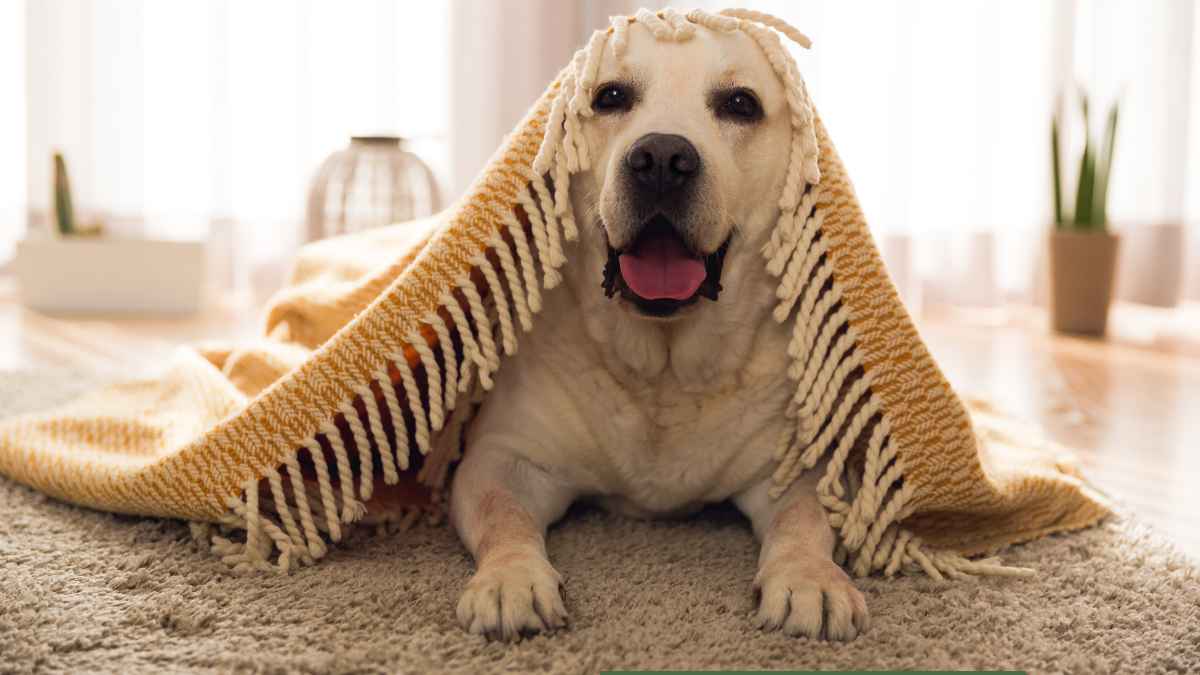 The United States Census Bureau tells us that around 50% of occupied housing units have at least one pet. At Pest Pointers, we care about the safety of your furry family members. Pets bring so much joy and love to our lives, and pet owners understandably want to keep their companions safe.
 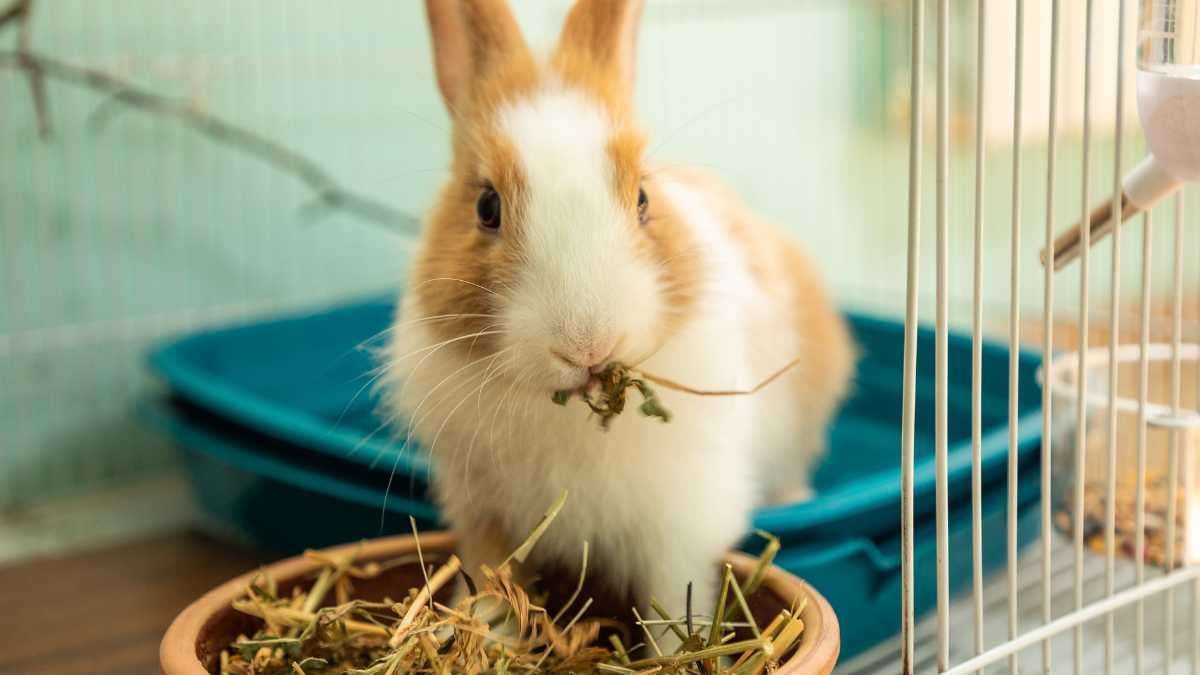 When we provide solutions to pest problems, our goal is more than elimination. We want to gently push pet owners in a direction that is both pet-safe and humane. After all, we care deeply about your animals and those in the wilderness!
 Pests may not have a calendar to tell them what day it is, but they certainly ramp up at certain times of the year! At Pest Pointers, we review the seasons when certain pests become active and provide information about what time of the year you should be most prepared for specific pests.
 Dealing with a pest is stressful enough without worrying about how your chosen repellent will affect your pets. At Pest Pointers, we take the stress away by making pet safety a priority. Our well-researched articles provide ideas and solutions that keep your canine companions and purring felines happy and healthy.
 We have some fantastic guidance on how to keep your pets safe around repellents and insecticides. Even if the product claims to be pet-safe, it’s always best to err on the side of caution.


