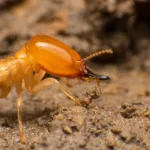
Quick answer: Termites with wings are swarmers (alates), the reproductive termites that fly out of a mature colony to mate and start new colonies. Only swarmers have wings; workers and soldiers never do. If you find winged termites or piles of their shed wings indoors, especially near windows, doors, or bathrooms, there is very likely an active colony nearby, and you should book a professional termite inspection.
Termites may be beneficial when found in forest settings, but these pests can be extremely destructive when found inside the home. If you see a winged termite inside your house, you may be wondering what it means and what you should do.
If you find termites with wings inside your home, it is almost always a clear indication of an infestation.
Here are 4 steps to take immediately if you find termites with wings in your home:
Proper identification of the termite
Look for clues of an infestation
Call a professional
DIY prevention techniques
Finding termites in the home can be overwhelming and stressful, but it doesn’t have to be hopeless. Read on to discover what to do if you find termites with wings in the house.
* This post contains affiliate links.
Which Termites Have Wings?
The University of California tells us there are over 2,600 species of termites worldwide. These termites are divided into different types, such as dampwood, drywood, and subterranean termites.
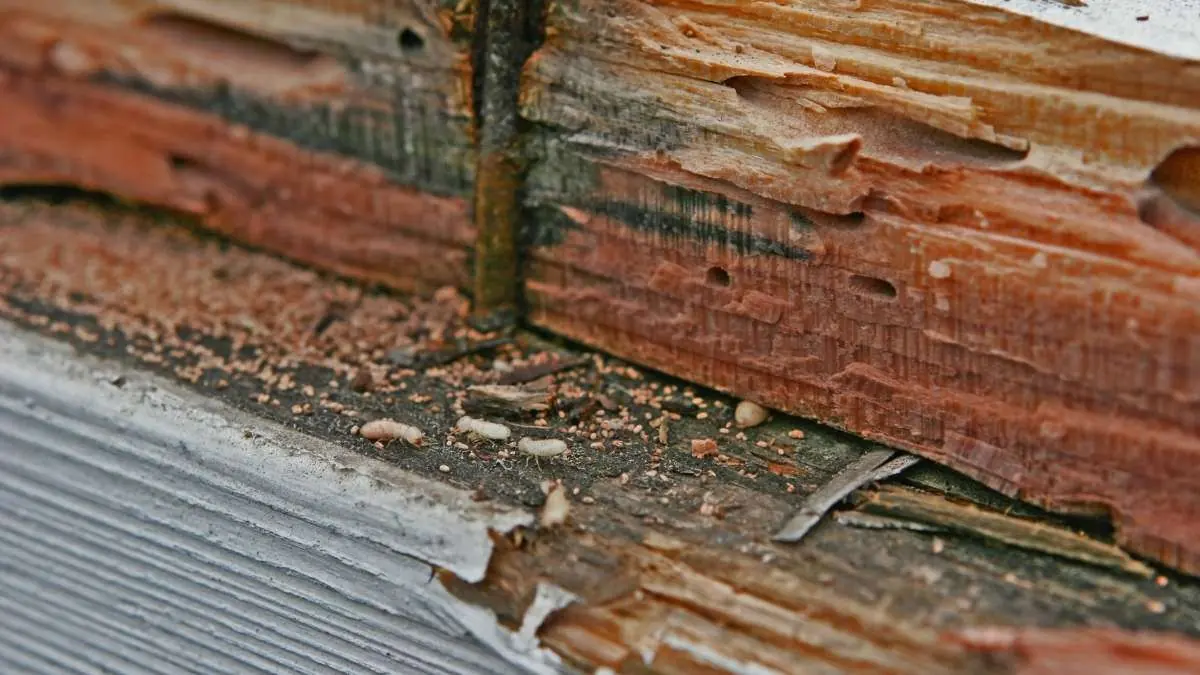
Subterranean termites are the most prominent pest of homes. They build colonies behind walls and eat away at structural wood and wooden fixtures.
If you see termites with wings, it’s not necessarily indicative of a specific type of termite. Instead, it says a lot more about the termite’s purpose.
Termites With Wings Are A Specific Caste: Swarmers
Termites live in colonies similar to bees and ants. Each termite in the colony is grouped into a specific caste, performing specialized jobs that help the colony function and grow.
Queen and King: The main purpose of the king and queen of the colony is to reproduce. The queen is much larger than other termites and can lay up to 1,000 eggs per day, depending on the species. The king is typically always found near the queen. The king and queen of established colonies are wingless.
Workers: Worker termites are the most destructive because they feed on wood while creating new tunnels and expanding the nest. Workers make up the largest number of termites in a colony and are responsible for feeding and maintaining hygiene within the colony. Worker termites do not reproduce or have wings.
Soldiers: With larger mandibles, soldier termites are responsible for protecting the colony from predators. Like workers, soldier termites do not reproduce and do not have wings.
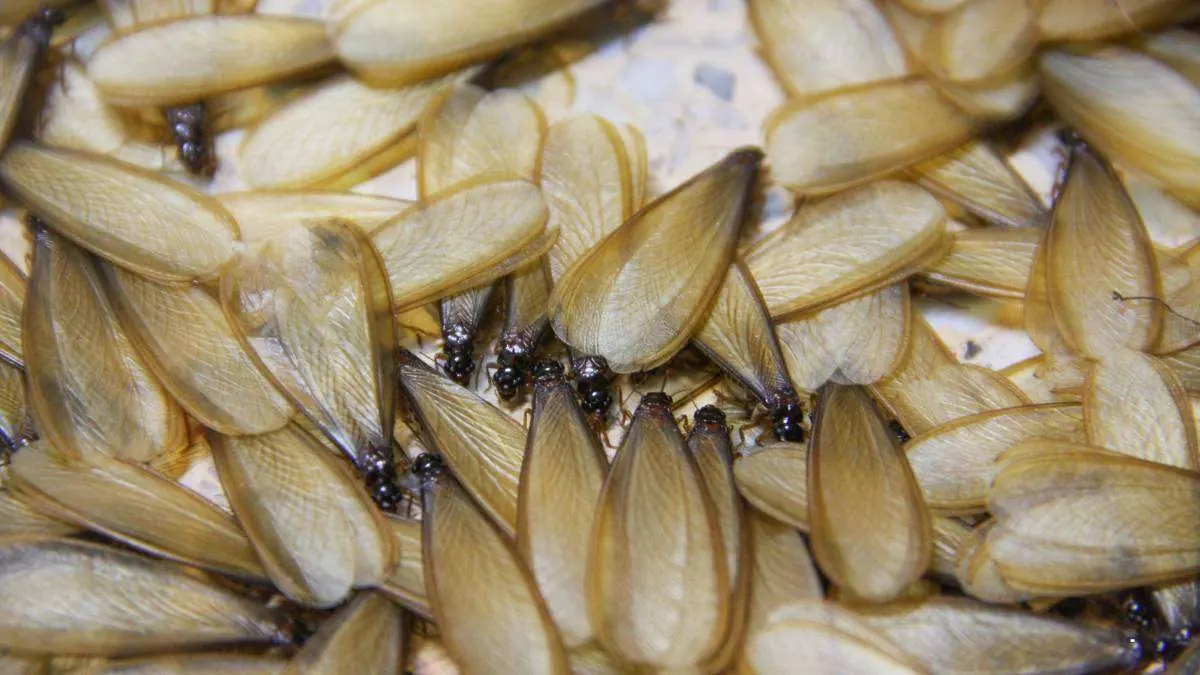
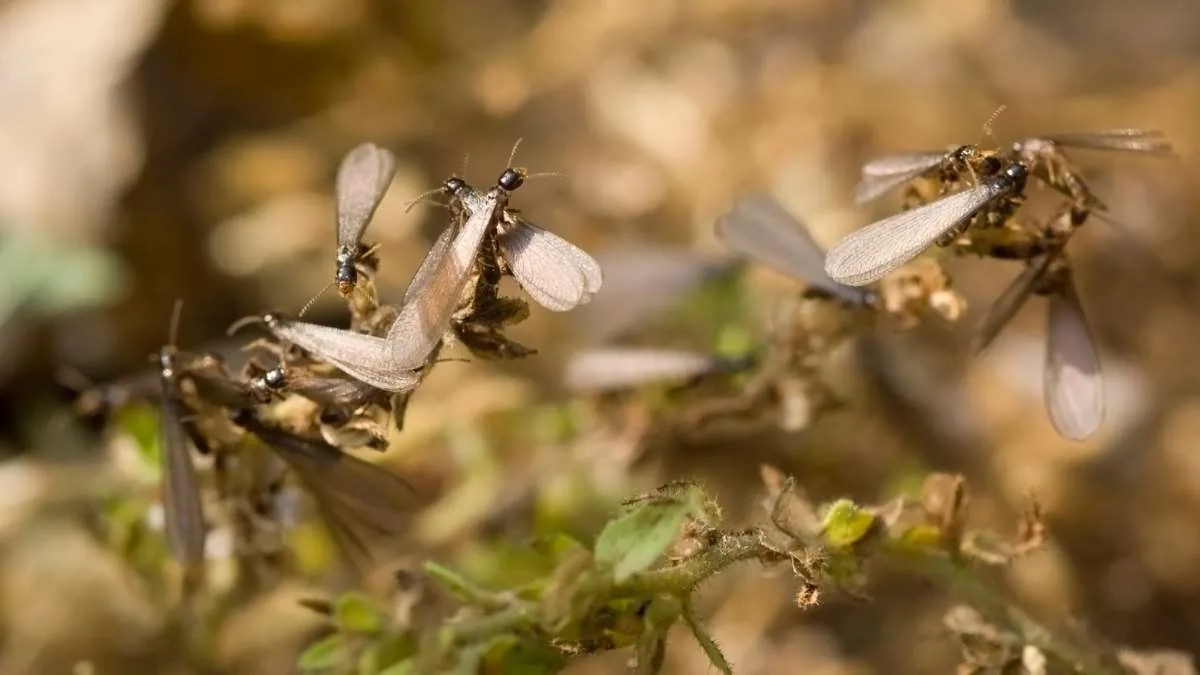
Swarmers (alates): When a colony grows large enough, it produces a small percentage of winged swarmers. Swarmers use their wings to fly from the nest, swarming in great numbers to mate and disperse to start new colonies. Besides the king and queen, swarmers are the only other termites that can reproduce in the colony. You can read more about why termites swarm here!
If you break open a section of wall or pry open a termite tube, you’re most likely to see workers and soldiers. Swarmers only form when colonies are large enough to start forming new colonies.
You can read more about swarmers and where they go once they disperse in our article about swarming termites.
What Termites With Wings Look Like
Termites with wings are often confused with flying ants. An ant infestation is much easier to control than termites, so it’s important to ensure you’re dealing with the right pest.
Check out the table below for a detailed look at the difference between flying ants and termites with wings.
Table 1: Termite vs. Flying Ant
Pest
Wings
Body Shape
Antennae
Damage
Timing
Termite
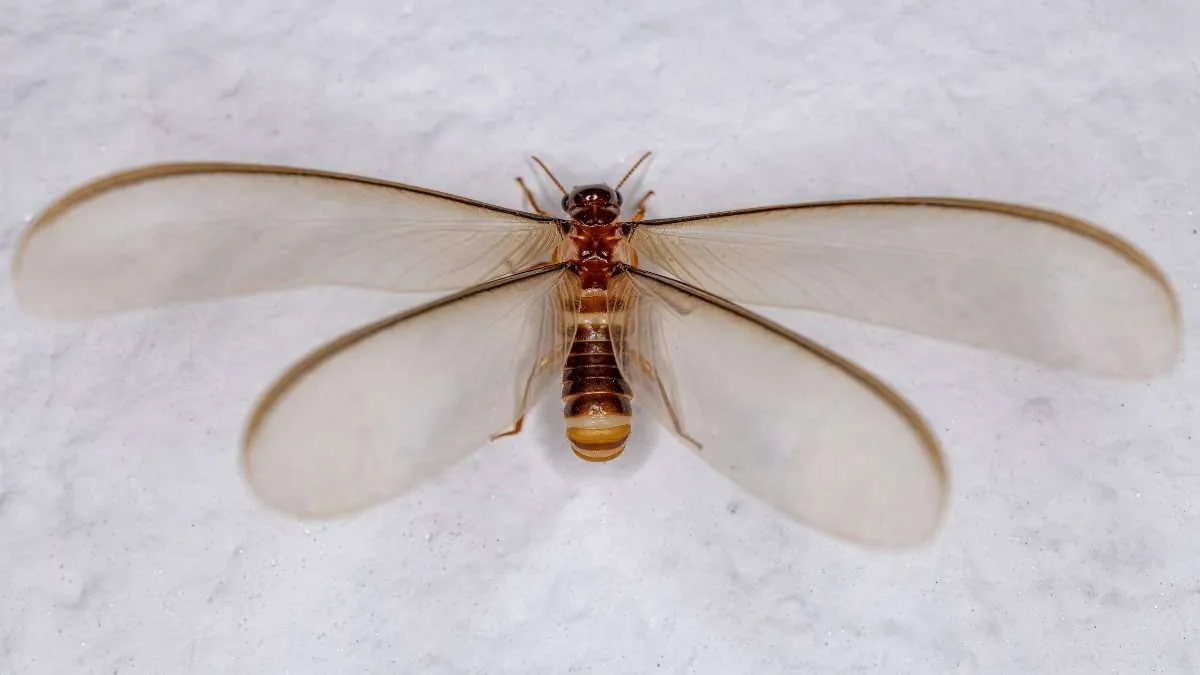
Termites have 4 wings that are approximately twice the length of the body. All four wings are the same size.
Termites have a straight body with a broad waist
Antennae in termites are straight
Damage to wood, books, and paper
Species-dependent, but termites typically swarm when temperatures begin to warm. They’ll wait until after a rainfall to disperse.
Ant
Flying ants have 4 wings that are approximately the same size as their body. The front wings are larger than the rear wings.
Ants have a distinctly pinched waist, similar in appearance to a wasp
Flying ants have elbowed antennae
Flying ants typically do not damage wood.
Species-dependent, but flying ants typically disperse in late spring and early summer, waiting for a day with bright sunshine, high humidity, and low wind.
In general, seeing a flying ant is not a cause for concern unless you’ve also seen ants in the home during the winter. However, seeing a flying termite inside the home is a cause for concern and usually indicates an infestation.
Where To Find Termites With Wings
Not that you want to go looking for these pests, but knowing where swarming termites are most likely to be is just one more nugget of knowledge to help you in your battle against them! Finding termites with wings outdoors is less of a concern than if you find them indoors.
The time of day is also a factor when looking for termites with wings. Check out our article on why termites come out at night to better understand their habits and the best time of day to see them in your home.
Indoor Winged Termites
When termites disperse, they do so to form new, geographically distinct colonies. It’s unlikely for a colony inside the home to swarm only to start another colony inside the same house (though not impossible!).
For this reason, termites with wings are typically found near places that lead outdoors:
Windows
Doors
Chimneys
Check for the presence of winged termite carcasses on windowsills or door thresholds. You may also see live termites with wings buzzing around these areas. If possible, try to take a closer look to ensure you’re dealing with termites and not flying ants.
When termites with wings initially swarm, you may find them emerging anywhere in the house with an easy opening. Bathrooms and kitchens are common emergence areas due to plumbing going through the walls, which offers easy access out of the walls.
Outdoor Winged Termites
Seeing termites with wings outside may not be as much of a cause for concern, but it still warrants attention. An outdoor swarm can quickly establish an indoor colony when conditions are right.
Even if you don’t have termites in your house, if your neighbor does, they can quickly spread from their house to yours. Head over to our article on the 10 ways termites spread from house to house to learn more about how your neighbors may be sharing more than friendly waves!
Outdoor termite colonies are most likely to infest areas where wood makes contact with the ground:
Old tree stumps
Fence posts
Structural posts of porches, sheds, and decks
Wooden mailbox posts
Lumber lying on the ground
Woodpiles
Take a look around your yard to see where bare, untreated wood is touching the soil. These are prime locations to spot swarming termites emerging from the nest. In spring and summer, keep a close eye out on sunny days following a rainstorm.
Our article on the 13 places where termites live can provide further details about where to locate termites in your home and yard.
4 Things To Do If You Find Termites With Wings
Finding a winged termite in the house may feel devastating, but there are steps you can take to remove them and keep them out of your house. So, before we start, breathe! We’ll take these steps together to remove these pesky insects from your home.
1. Correct Identification
The first step to take if you find termites with wings is to correctly identify them. I touched on this earlier, so feel free to refer back to Table 1 for proper identification.
The easiest way to determine if it’s a termite or an ant is to look closely at the following three characteristics:
Body: Termites have a wide waist and a straight body. Ants have a pinched waist and resemble a wasp.
Antennae: Termite antennae are straight, while ant antennae are elbowed.
Wings: Termites have four wings of equal size that are about twice the length of their body. Ants have four wings roughly equal to their body, with the front wings larger than the back wings.
Once you’ve identified that you’re dealing with a termite and not an ant, it’s time to move on to the next step: clues.
2. Look For Clues Of Termite Infestation
Termites are secretive insects that rarely leave clues of their presence behind until the infestation is severe. However, if you suspect a termite infestation, it’s a good idea to look for clues of their presence. This will give you a good idea if termites are present.
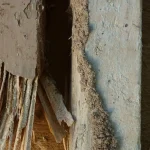
Finding termite tubes is one of the most obvious indicators of an infestation. Termites produce several different kinds of tubes, each of which can be found in particular locations that benefit the colony. Tubes are about the width of a pencil.
Working tubes generally reach from the soil up to a wooden structure. These start at the subterranean nest and work their way up into your home. Look for these tubes stretching from the soil, up your foundation, and into the house.
Exploratory tubes arise from the soil but do not reach wooden structures. They’re used by termites to explore new areas, but do not lead anywhere specific. You may find them on plastic or metal piping near the home’s exterior.
Drop tubes can be free-standing and reach from wooden structures back into the soil. This is how termites return to the underground nest. Look for these dropping from places like decks and porches directly into the soil.
Swarm tubes are spongy in appearance and are used by winged termites to leave the nest and start new colonies.
Other clues of a termite infestation include rippling behind wall coverings and sunken spots in the walls.
3. Call A Professional
Even if you don’t find evidence of a termite infestation, if you see termites with wings inside your home, it’s a good idea to call a pest control professional. Trying to take care of a termite infestation with do-it-yourself (DIY) methods is not recommended.
Here are a few reasons why calling a professional is preferred over DIY methods:
Knowledge: Termites typically infest areas behind walls, which requires knowledge of building construction and of which walls are load-bearing, where studs are, etc. It’s best to leave that work to professionals to keep the integrity of your house’s construction.
Dangerous Spaces: Professionals can inspect hard-to-reach places or those that may be dangerous, such as near electrical lines, plumbing, and crawlspaces.
Professional-grade Pest Control: Professional pest control specialists can use termiticides that aren’t sold “over the counter.” These powerful supplies must be applied correctly for safety, so it’s best to give that task to a trained professional!
While many homeowners prefer DIY methods to take care of pests, termites are in a whole different category and are best handled by professionals.
That said, once a professional has inspected your home and applied their pest control products, there are still a few things that you can do at home to prevent a re-infestation. We’ll cover those next!
4. Prevent Reinfestation
After your home has been treated and a pest control specialist gives you the thumbs up that your home is termite-free, it’s time for some DIY pest control. The termites may be gone for now, but there are several steps you can take to prevent a reinfestation.
Here are a few DIY recommendations to prevent termites from infesting your home:
Don’t Let Wood Touch The Ground: Wood that’s in direct contact with the soil is basically a termite highway into your home. Think of wood siding, wooden support posts, door frames, and wooden lattice.
Eliminate Moisture Near Foundation: Termites are attracted to moisture. Fix any issues that accumulate moisture near the foundation of your home, such as leaky pipes, gutters, and roof fixtures.
Crawl Space Ventilation: This may be a task better suited for a professional. Check any crawlspaces for proper ventilation. Moisture will accumulate in crawl spaces, attracting termites to the soil beneath.
Keep Wood Away From Foundation: Stacked wood, bushes, trees, mulch, and other debris should never be in direct contact with the side of your home. This acts as a conduit for termites to travel from the soil into your home. If you prefer to use mulch around your home’s foundation, check out our article on the 8 mulches that termites hate to choose a termite-resistant mulch.
Choose Wood Wisely: When building a new structure or even a new home, the type of wood you use can determine if it is attractive to termites or not. In general, pressure-treated lumber offers the best protection, and the heartwood of redwood, cedar, and cypress is naturally more resistant than untreated pine, hemlock, or spruce.
Remove Attractants: Any type of wood that is decaying, such as old tree stumps, rotting fence posts, or wooden debris in the yard, will attract termites. Remove these attractants to make your yard less desirable to these destructive pests.
Use Repellents: In places where it is impossible to prevent wood from touching the ground, consider using eco-friendly repellents like dill, clove, and mint. You can read more about the scents that termites hate here.
With a little DIY preparation, you can reduce the chances of termites infesting your home. After all, a pest-free home is a happy home! You can read more about how to prevent reinfestations in our article on the 7 simple tips to keep termites from revisiting the same spot.
That’s All For Now!
Finding termites with wings inside the home can be indicative of an infestation. These destructive insects eat wood products with cellulose, which can be devastating in homes.
The good news is that there are 4 steps you can take immediately if you see termites with wings inside your home.
Correct identification: Remember that winged termites resemble flying ants. Take a close look to ensure you’re dealing with termites.
Clues: Look for the different tubes that termites create to navigate your home.
Call a professional: A pest control specialist is the best way to handle termite infestations due to their knowledge of building construction and ability to use professional-grade termiticides.
Eliminate attractants: Eliminating what attracts termites to your home is a great step toward preventing reinfestation.
By taking these 4 steps, you’re taking a big leap toward a termite-free home. Remember to keep Pest Pointers in mind for all your pest control needs!
Frequently Asked Questions About Termites With Wings
Do termites have wings?
Only some do. Swarmers (alates), the reproductive caste, have two pairs of equal-length wings that they shed soon after their mating flight. Worker and soldier termites, which make up most of a colony, never have wings.
What do winged termites look like?
Winged termites have straight, thick bodies with no pinched waist, straight beaded antennae, and four wings of equal length that extend well past the body. Their color ranges from pale tan to dark brown or black, depending on the species.
Does seeing termites with wings mean I have an infestation?
Winged termites indoors almost always mean an established colony is in or very near your home. Outdoors, a swarm means a colony is nearby, so check wood that touches soil and book an inspection.
When do flying termites swarm?
Most subterranean termites swarm in spring, often on warm days after rain, while drywood termites tend to swarm in late summer or fall. In the South, swarms can start as early as February.
Are flying termites the same as flying ants?
No. Flying ants have pinched waists, elbowed antennae, and front wings longer than the back wings. See our guide to flying termites vs. flying ants for side-by-side pictures.
Amos is your go-to editor and pest advice enthusiast, blending years of hands-on experience into clear, practical guidance for everyday pest problems. Growing up on a farm near Grandville, Michigan, he spent his days outdoors, learning to deal with wildlife, pests, and nature in real-world settings rather than just from a textbook. That upbringing turned him into a genuine nature lover, comfortable in fields, woods, and around all the critters that come with them. Today, he channels that background into approachable, science-informed articles that help homeowners protect their spaces without overcomplicating the process. When he’s not polishing guides or answering pest questions, you can imagine him most at home outside—observing animal behavior, walking the land, and turning those observations into practical tips you can actually use. His mission is simple: to give you straightforward, reliable pest pointers so you can spend less time worrying about infestations and more time enjoying your home and yard. Check out my Profile.