Spiders near drains are one of the most common household sightings. Whether you spotted one in your sink, bathtub, or toilet bowl, your first instinct is probably to wash it down and be done with it.
But what actually happens when you do that, and does the spider survive?
This guide covers everything you need to know about washing spiders down the drain, the science behind spider survival in water, where they end up, and the best ways to keep them out of your home for good.
* This post contains affiliate links.
Will A Spider Survive Being Washed Down the Drain?
The short answer is no. Most spiders will not survive a trip down the drain or toilet. When flushed, a spider becomes trapped underwater and eventually drowns.
However, it’s not always instant. According to Jerome Rovner, a member of the American Arachnological Society, flushed spiders will drown once submerged in the sewer, but the drowning process can take an hour or more.
This is because spiders have an extremely low metabolic rate and consume very little oxygen.
Research published in the Journal of Comparative Physiology B confirms that spiders are unique among animals in that they breathe simultaneously through both lungs and tracheal systems.
This dual respiratory system, combined with their low oxygen demands, allows them to remain alive far longer underwater than most people expect.
So while flushing a spider down the drain ends its life, that process isn’t as quick as it might seem.
What Happens When You Flush A Spider Down the Toilet?
Washing spiders down the drain leads to the same outcome as flushing it down a sink drain. The spider gets carried through your plumbing system and eventually ends up in the sewer.
A spider may temporarily float back up in the toilet bowl before being fully swept away. This can happen if the flush isn’t particularly powerful or if the spider clings to a surface momentarily.
But the chances of it crawling back out are extremely low. Repeated use of the toilet pushes it through completely.
Once it passes through your pipes, it ends up in the sewer system, not the ocean, as popular myths suggest. Flushing a spider will not release it into the wild. If your goal is to set it free, carry it outside.
Flushing Swimming Spiders vs. Non-Swimming Spiders
Not all spiders react to water the same way. The key distinction is between swimming spiders and non-swimming spiders.
Swimming and Semi-Aquatic Spiders
Some spider species live in or near water. The most remarkable example is the diving bell spider (Argyroneta aquatica), the only spider species known to spend almost its entire life underwater.
Rather than gills, it uses a clever biological adaptation: it spins a dome-shaped silk web between aquatic plants and fills it with air bubbles carried down from the surface on its hydrophobic body hairs.
According to a study published in the Journal of Experimental Biology, the diving bell acts as a “physical gill,” extracting dissolved oxygen directly from the surrounding water. This means the spider can stay submerged for over a day without resurfacing.
Even so, a diving bell spider would not survive being flushed. It couldn’t construct its bubble structure inside a drain pipe, and the force of water through a toilet would overwhelm any aquatic ability it has.
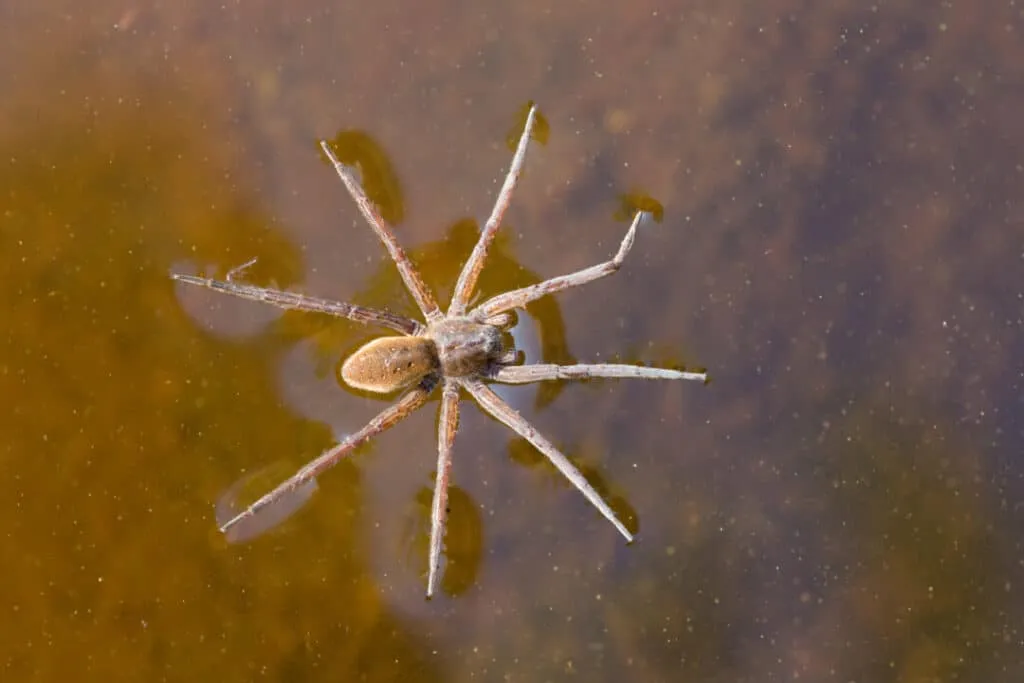
Other semi-aquatic spiders can swim on the surface but cannot breathe underwater. They can paddle and float, but they lack the ability to generate an oxygen supply while fully submerged. The force of water rushing down a drain would overpower even the strongest aquatic spider.
Non-Swimming Spiders
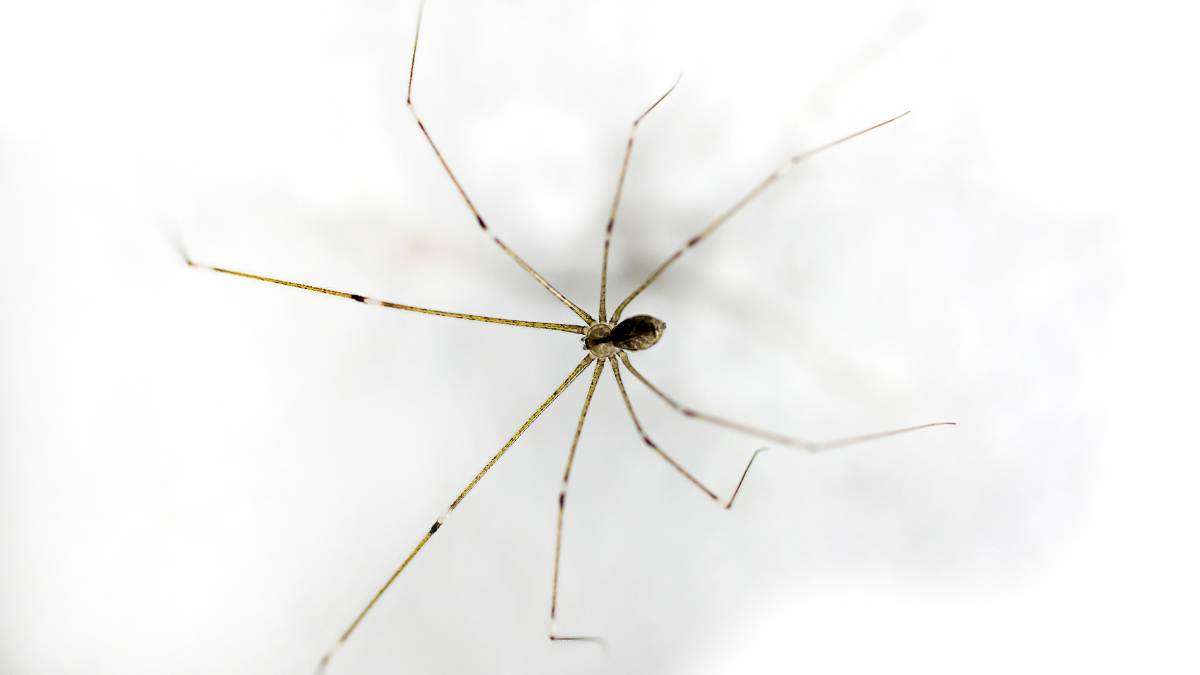
Most household spiders, daddy long legs, cellar spiders, common house spiders, are non-swimmers. Their bodies are not built for water contact.
As soon as a non-swimming spider touches the surface of water, its legs begin to stick together. It loses the ability to move or maneuver at all. Without something to grab onto, a stick, a leaf, a wall, it has almost no chance of escaping.
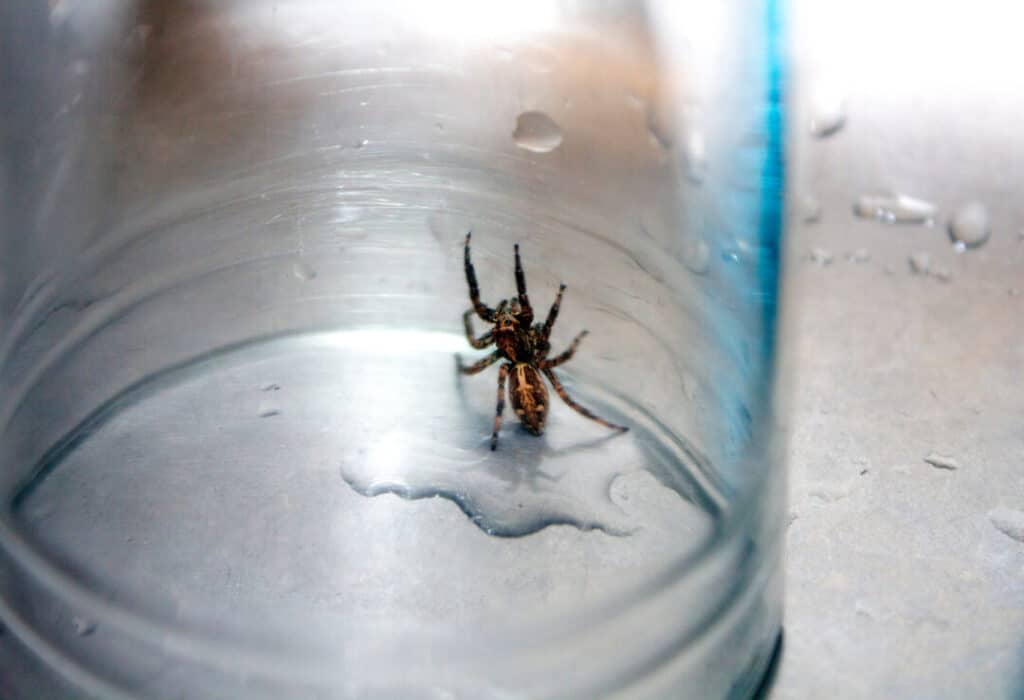
This is why spiders found in bathtubs are almost always trapped there. The smooth porcelain or acrylic sides offer no grip for their legs. They didn’t come up through the drain. They fell in and couldn’t get back out.
Do Spiders Actually Come Up Through the Drain?
This is one of the most persistent myths about spiders, and it’s completely false.
Spiders cannot come up through your drain or toilet. Modern plumbing includes a P-trap: a curved section of pipe beneath sinks, showers, and toilets that stays permanently filled with water.
This water seal creates a physical barrier preventing anything, sewer gases, insects, or spiders, from traveling back up into your home.
The Burke Museum of Natural History confirms this directly: spiders found in sinks and bathtubs come down the walls, attracted by water. They cannot come up through drains.
The smooth surface of a bathtub or sink means that once a spider climbs down to get a drink, it usually can’t get back out. That trapped spider is what people mistake for one “coming up the drain.”
Where Do Spiders in Your Bathroom Actually Come From?
Since spiders aren’t coming through your pipes, where are they coming from? The answer is almost always the outside.
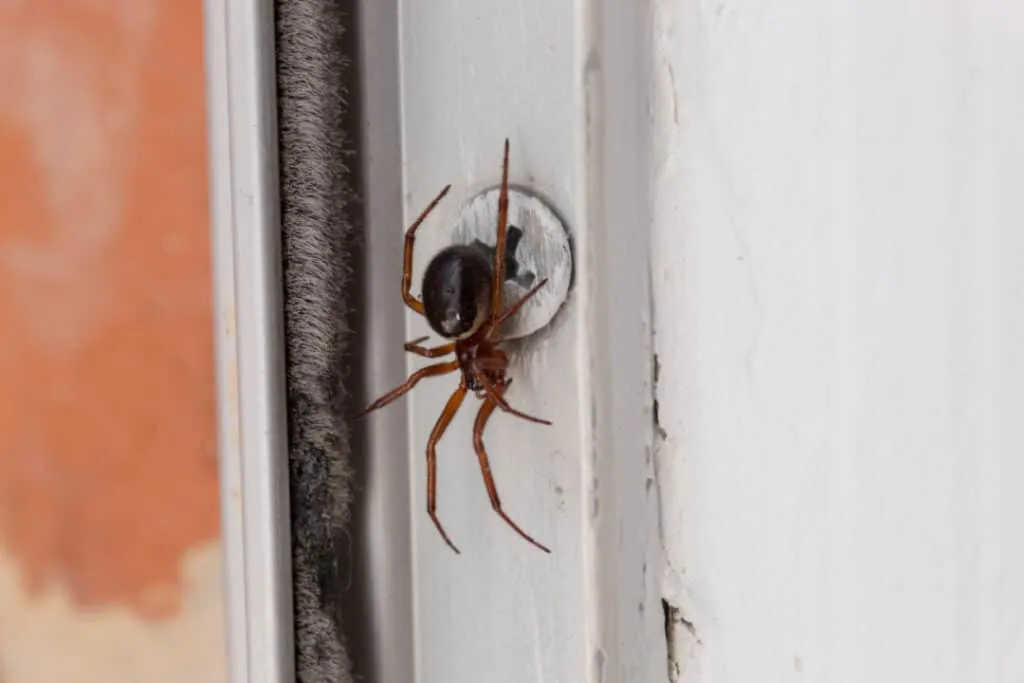
Spiders enter homes via open doors, cracked windows, gaps in window frames, foundation cracks, vents, and even under poorly sealed doors. Once inside, they’re drawn to bathrooms because bathrooms offer everything a spider needs: water, humidity, darkness, and prey.
Bathrooms attract moisture-loving insects like drain flies, gnats, silverfish, and small moths. Where these insects concentrate, spiders follow.
Drain flies in particular breed inside the organic buildup in drain pipes and are a primary food source for bathroom spiders. If you’re seeing many spiders, check for a drain fly problem first.
Spiders are also drawn to undisturbed, dark corners. The area behind your toilet, under the sink, and ceiling corners above the shower are prime hiding spots. Plants near bathroom windows and dusty corners that rarely get cleaned make those areas especially attractive.
Where Does A Spider Go After Being Washed Down The Drain?
When you flush a spider down the drain, it goes the same place where anything else that goes down the drain goes. After working its way through your plumbing system, the spider will find its way to the sewer system.
Though some movies might want you to believe that all drains lead to the ocean, this isn’t necessarily true. Flushing spiders or any other animals down the drain will not free them, so if you’re trying to release the spider into the wild, it’s best to just carry it outside.
If you’re worried about the hygienic aspect of washing spiders down the drain, there’s no need. Sewage systems are designed to deal with insects. It also will not clog your drain.
Though, if you don’t have the most advanced plumbing system, you should talk with a plumber or expert on pests control. They might have some other ideas of ways to get rid of spiders. But to get you started here are some ideas about how to get rid of them.
Common House Spiders You Might Find Near Your Drain
Most spiders you encounter in your home are completely harmless. The most common types include:
Daddy Long Legs (Pholcidae)
Found worldwide. Harmless to humans and non-swimmers. They have virtually no chance of surviving a drain trip.
Common House Spider (Parasteatoda tepidariorum)
The most widespread spider in American homes. Completely harmless. Prefers corners and undisturbed areas near moisture.
Cellar Spiders
Often confused with daddy long legs. These prefer damp, dark spaces,exactly why bathrooms attract them in large numbers.
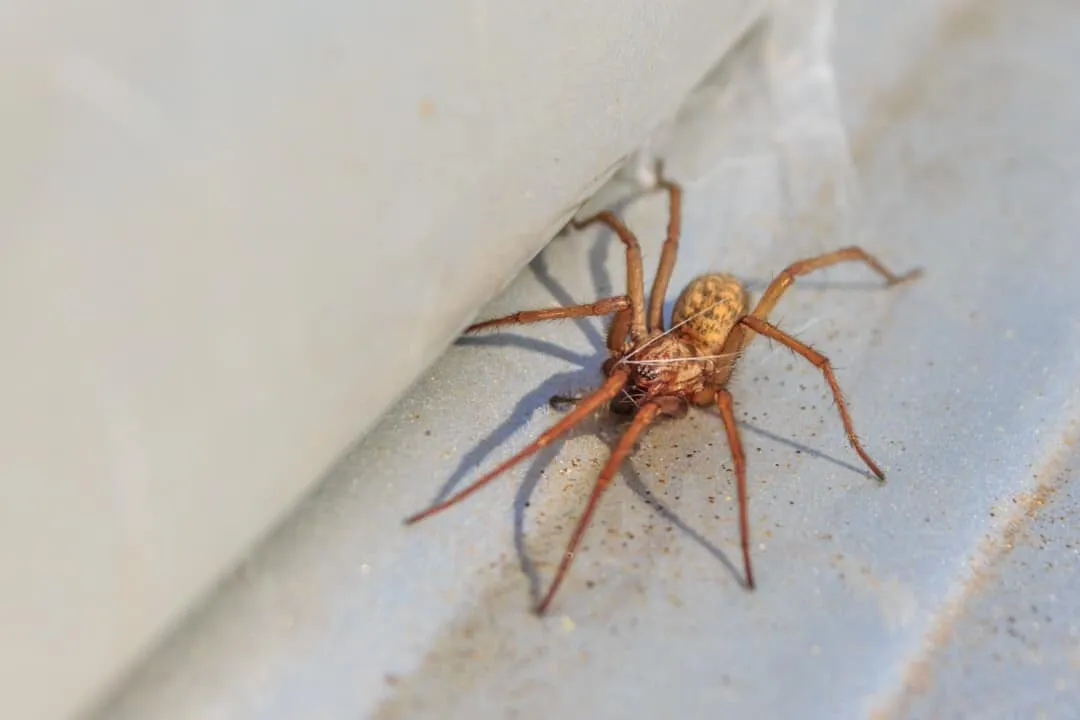
Giant House Spider
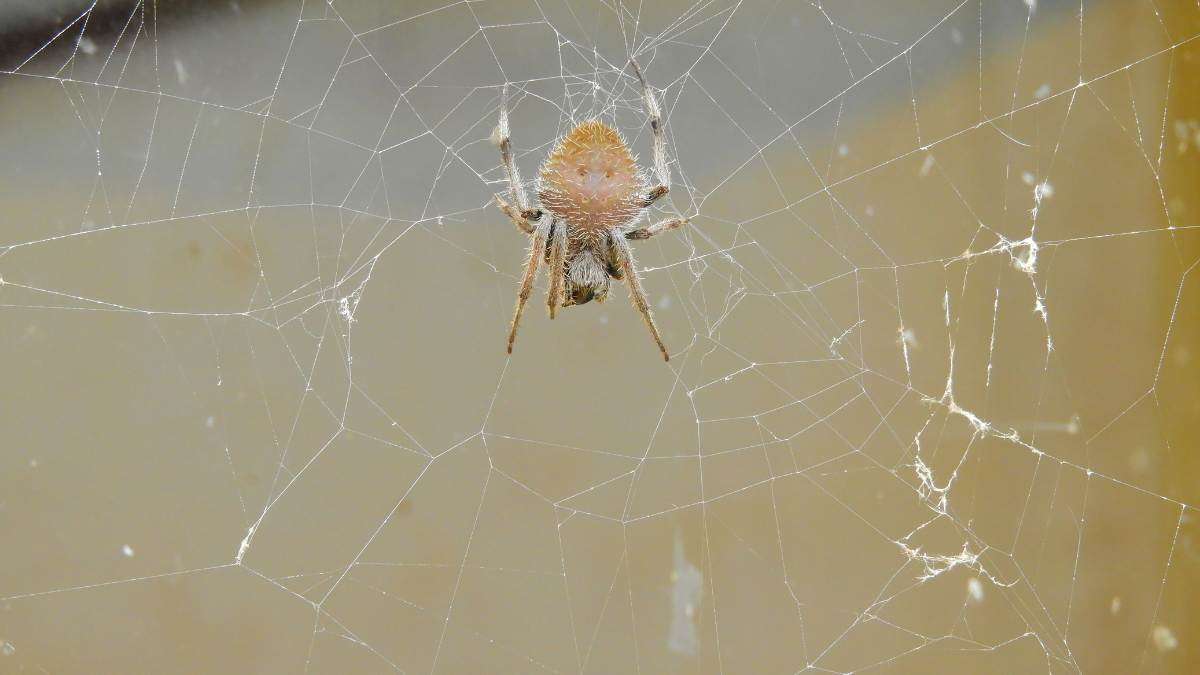
Larger than average, this species is drawn to moisture. It spins webs in bathrooms to catch passing insects.
If you’re in the southwestern United States, there’s a slightly higher chance of encountering venomous species. Black widows, brown recluses, and tarantulas prefer drier, desert climates.
If you’re unsure whether a spider is venomous, contact a pest control expert before attempting removal.
How to Get Rid of Spiders Without Washing Them Down the Drain
Unless a spider is venomous, you don’t need to kill it. The most humane option is to trap it under a glass, slide a piece of cardboard underneath, and release it outside, far enough from your house that it won’t find its way back easily.
For a venomous spider, or when you have an infestation, these products and methods work well:
Eliminates spiders on contact and leaves a residual repellent to prevent new ones from settling in. The peppermint-based formula means no harsh chemical odor in your home.
A highly rated spray designed for use around drains, wall corners, and bathroom fixtures. It has a low odor and creates a lasting barrier against spiders.
If spraying isn’t appealing, scent pouches using rosemary, lemongrass, citronella, and botanical oils can be placed under sinks, in drawers, and in corners. Each pouch lasts about 30 days.
White Vinegar Spray
A DIY option, mix equal parts white vinegar and water in a spray bottle. The acidity kills spiders on contact and deters others from the area.
How to Keep Spiders Out of Your Home and Drains
If you find a spider in your home, it is probably not a venomous spider. But if you’re worried and want to keep them away, there are some methods. Note that long-term prevention is more effective than reacting after the fact. Here’s what genuinely works:
1. Seal Entry Points
Check for cracks in walls, foundations, and window frames. Use silicone caulk or weather stripping around doors and windowsills. Spiders are skilled at squeezing through tiny spaces, even small gaps are enough.
2. Clean Regularly
Spiders love dusty, cluttered spaces. Vacuum ceiling corners, behind doors, under furniture, and along baseboards. Remove cobwebs as soon as you spot them. Pay extra attention to corners, behind the toilet, and areas that rarely get disturbed.
3. Reduce Moisture
Run your bathroom exhaust fan during and for at least 15 minutes after showers. Fix dripping faucets and leaking pipes promptly. Wipe down wet surfaces after use. A drier bathroom is far less appealing to spiders and the insects they hunt.
4. Clean Your Drains
Use a drain brush and enzyme cleaner regularly to remove organic buildup that attracts drain flies. Fewer drain flies means fewer spiders. This one step addresses the root of many bathroom spider problems.
5. Trim Outdoor Vegetation
Bushes, branches, and plants touching the exterior of your house are natural bridges for spiders. Keep them trimmed back from the structure.
6. Use Natural Repellents
Spiders have a powerful sense of smell and strongly dislike certain scents. These work well around drains and entry points:
Peppermint: Add 25–30 drops of peppermint essential oil to a spray bottle of water and spray around drain areas, window frames, and corners regularly.
Citrus: Lemon and orange peels placed near entry points can deter spiders naturally.
Cedar: Cedar chips or cedar oil work well in closets and storage areas.
Diatomaceous Earth: Made from fossilized algae shells, DE absorbs moisture from spiders’ exoskeletons. Mix it with water and spray inside dark cabinets and corners where spiders tend to hide.
Lavender and Eucalyptus Oil: Additional scents that disrupt a spider’s directional senses (full list of scents that spiders hate).
Vinegar: Affordable and effective. Spray along baseboards and around plumbing fixtures.
7. Reduce Clutter
Spiders thrive in undisturbed piles of paper, cardboard, and stored items. Organizing storage areas and getting rid of old recycling removes their favorite hiding spots.
8. Place Sticky Traps
Put sticky traps under sinks and behind toilets. Check and replace them regularly to monitor activity.
9. Consider Spider-Repelling Plants
Lavender, mint, and lemon balm placed near bathroom windows add fragrance while naturally discouraging spiders from entering.
If you have persistent problems or suspect a venomous species, consult a licensed pest control professional. They can diagnose the underlying cause, whether that’s a pest infestation, moisture issue, or structural gap, and recommend a targeted treatment plan.
No single method is 100% effective. Combining multiple strategies gives the best protection.
Should You Be Worried About Spiders in Your Home?
Probably not. Most spiders you’ll find in your home are harmless. They actually help control other insect populations, including cockroaches, mosquitoes, earwigs, moths, and fleas. A few daddy long legs doing quiet work in your home is generally a net benefit.
That said, if spiders appear in large numbers or keep returning to the same spots, it may signal a deeper issue: a pest infestation attracting more prey, hidden moisture from a plumbing leak, or significant gaps in your home’s exterior.
In those cases, a pest control professional can diagnose the problem properly and recommend a fix that goes beyond spider removal alone.
Conclusion: Washing Spiders Down the Drain
Washing spiders down the drain is one of the most common ways people deal with these eight-legged visitors, but it’s worth knowing what actually happens.
Most spiders will not survive the trip. They drown once submerged, though the low metabolic rate of spiders means this can take up to an hour or more.
Swimming spiders fare slightly better, but no household spider can overcome the force of water rushing through your plumbing.
One thing that’s clear
Spiders are not coming up through your drain. The P-trap keeps that path sealed. Every spider you find in your sink or tub got there from inside your home, not below it.
If you’d rather not flush spiders at all, the cup-and-cardboard method is a quick, humane way to release them outside.
For ongoing prevention, combine sealing entry points, reducing bathroom moisture, cleaning drains regularly, and using natural repellents like peppermint oil or a product like Mighty Mint Spider Repellent.
Resources
American Arachnological Society. Jerome Rovner on spider drowning and oxygen consumption.
Robyn is your friendly neighborhood writer, editor, and published author - boasting many years of experience in pest control, from which she magically weaves words into the captivating and engaging posts as we know them. When not tucked behind her laptop screen, she can be found embracing nature in the most thrilling ways possible. Rock climbing? Yes, please! Hiking? Absolutely! Traveling the U.S. with her husband, their lovable three-legged dog, and two mischievous cats? That’s her everyday reality. They live, love, and work in their cozy campervan, letting the road take them where it will, and finding inspiration in every sunrise, mountain peak, and wildlife sighting they encounter. Check out my Profile.
Pest Pointers was started in a cozy corner of Upstate New York, known for its expansive pastures, dense woods, and abundant wildlife pests. We are dedicated to providing YOU with solutions and insights into managing common pest issues. Starting out on over 50 acres of land and a freshwater bass pond with abundant pests, we combine firsthand experience with dedicated advice to help you tackle even the toughest of critters!