Mice may be small, but they cause real damage, gnawed wires, shredded insulation, contaminated food. If you prefer dealing with them without harsh chemicals or inhumane traps, nature has a few answers.
Certain plants that repel mice work by overwhelming their highly sensitive sense of smell, and several are backed by published research.
This guide covers 10 plants that help repel mice, the science behind how they work, where to plant them, how to care for them, and what to combine them with for a stronger result.
Key Takeaways:
Pros
Natural, chemical-free rodent deterrence
Many plants are attractive additions to a garden or home
Works as part of a broader integrated pest control strategy
Some plants offer added benefits
Cons
Effectiveness varies by plant density, mouse pressure, and placement
Some plants need specific climates to thrive
Mice will still enter if food, gaps, and shelter are available
Results are not 100% guaranteed in heavy infestations
* This post contains affiliate links.
Why Plants Repel Mice: The Science
Mice have an extraordinary sense of smell. They rely on scent trails to navigate, locate food, and detect predators. When certain plants are present, the volatile organic compounds they emit interfere with that navigation system, making the area feel unsafe for rodents.
A 2016 systematic review published in the Journal of Chemical Ecology screened 54 published studies on plant secondary metabolites (PSMs) as rodent repellents.
The researchers found that essential oils and terpenoids showed the strongest and most consistent repellent effects across rodent species. This is the same chemical class responsible for the strong aromas in peppermint, eucalyptus, lavender, and garlic.
Repellent plants don’t eliminate mice entirely. Think of them as one layer in a broader strategy, alongside sealing gaps, removing food sources, and managing clutter near your home.
Quick Reference: 10 Plants That Repel Mice
Plant
Active Compound
USDA Zone
Repels via Scent?
Peppermint
Menthol
3-11
Yes
Lavender
Linalool
5-9
Yes
Garlic
Allicin, terpenes
3-8
Yes
Citrus
Limonene
9-11
Yes
Citronella
Citronellal
9-11
Yes
Onion
Allyl sulfide
3-9
Yes
Clover
Isoflavonoids
3-10
Yes (+ feeding deterrent)
Eucalyptus
Eucalyptol
8-11
Yes
Catnip
Nepetalactone
3-9
Attracts cats (natural mousers)
Daffodils
Lycorine
3-9
Yes
A note on USDA zone: To ensure your mouse-repelling plants thrive, it’s essential to determine which USDA hardiness zone you reside in. This helps identify the ideal plants for your garden and contributes to successful growth.
10 Plants That Repel Mice Naturally
Next up, you might be interested to know about the most common plants that can help you in repelling mice. Below, we’ll provide an in-depth analysis of the plants you should consider growing. Get ready to make your garden both beautiful and mouse-free!
1. Peppermint
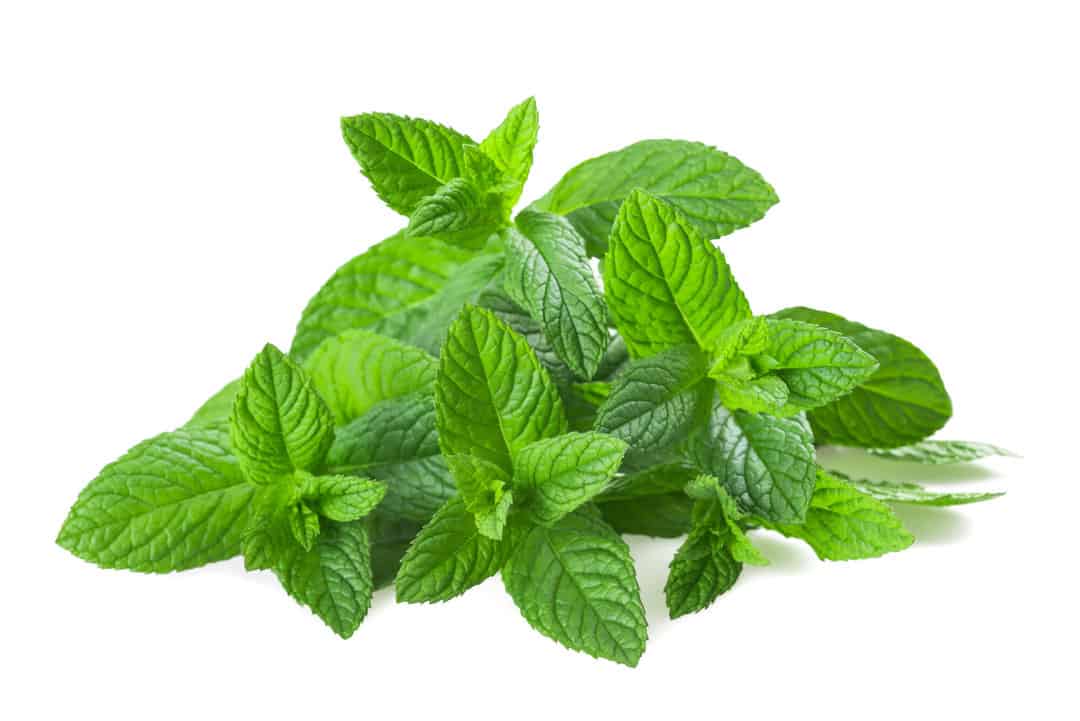
Peppermint is one of the most commonly recommended plants that repel mice, and for good reason. Its active compound, menthol, is overpowering to a mouse’s olfactory system.
Research confirms that mice find the intensity of the scent disorienting, making it harder for them to search for food or detect predators.
Plant peppermint around entry points, along your home’s foundation, or near garden beds. It grows best in USDA zones 3–11, making it one of the most widely adaptable options on this list.
Important
Peppermint spreads aggressively. Grow it in containers or a raised bed to keep it from taking over your garden. Prune regularly to maintain potency.
Planting tip: Near a water source (pond, rain garden) is ideal for optimal growth. Regular pruning of flower heads as they wither keeps the plant bushy and more aromatic.
Best for: Doors, windows, garden perimeters, container pots indoors.
2. Lavender
Lavender’s calming scent is well-loved by humans, and loathed by mice. Its primary repellent compound is linalool, a terpene alcohol that overwhelms rodents’ sensitive noses.
Beyond deterrence, lavender is drought-tolerant, low-maintenance, and adds real visual value to a garden border or walkway.
Crush lavender stems or leaves occasionally to release more of the essential oil. This significantly boosts its effectiveness as a mouse repellent, particularly around entry points.
Growing zone: USDA 5–9. Thrives in dry, sunny spots with well-drained soil. Does not like wet roots.
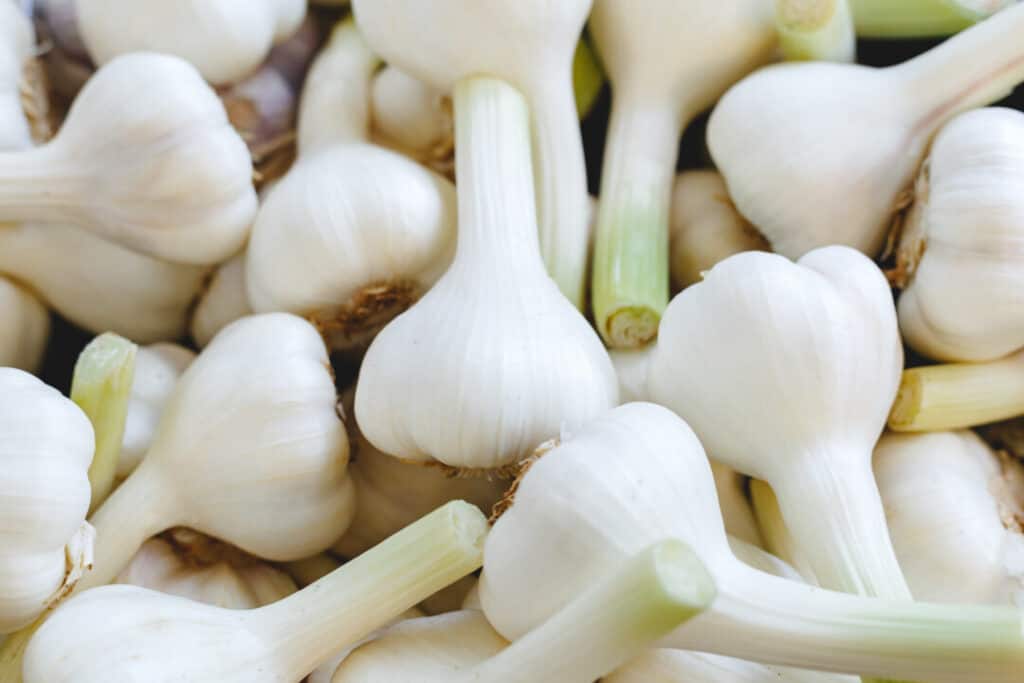
Garlic is a powerhouse on this list, both as a culinary staple and as a rodent deterrent. Cornell University identifies allicin, terpenes, citral, geraniol, and linalool as the key compounds in garlic that repel vertebrate pests. The pungent sulfur-based smell is deeply unpleasant to mice at close range.
Plant individual cloves in well-drained soil in a sunny location. Cutting or crushing bulbs periodically releases more scent and boosts effectiveness. Garlic grows in USDA zones 3–8 and fits naturally into a vegetable garden or mixed border.
Growing tip: Interplant garlic among vegetables to protect them from mice and other small pests. It pairs especially well with tomatoes and brassicas.
Best for: Vegetable gardens, mixed borders, containers near entry doors.
4. Citrus
Citrus plants, lemon, orange, lime, emit limonene, a compound in their peel and leaves that mice dislike. The scent is strong enough to act as a deterrent when the plants are healthy and producing leaves or fruit.
Citrus requires warm climates (USDA zones 9–11) and protection from frost. In colder regions, grow them in containers that can be moved indoors over winter.
No-plant option: You don’t need to grow citrus to use it. Scatter fresh citrus peels near entry points and garden edges. They decompose and add organic matter to your soil, a win on two fronts. Replace peels every few days as the scent fades.
Best for: Warm-climate outdoor gardens, sunny patios, or entryway containers in frost-free zones.
5. Citronella
Known primarily as a mosquito repellent, citronella also deters mice. Its active compound, citronellal, creates a strong lemon-like scent that rodents find unpleasant.
One study found that when citronella oil was inhaled by rats, it produced a significant decrease in appetite, a meaningful behavioral change even at lower concentrations than pure essential oil.
Citronella grows best in USDA zones 9–11 in full sun and moist, well-draining soil. In colder climates, grow it in containers for easier overwinter management.
Citronella is often used as a natural repellent in candles, so consider lighting a few in your backyard or on your patio. We have a fantastic guide on how to use citronella to naturally repel mice here.
Best for: Outdoor patios, garden borders, areas where mosquito control is also a goal.
6. Onions
Onions are underestimated as a pest deterrent. The compound allyl sulfide gives them their sharp, sulfurous smell that mice find repulsive. Beyond scent, onions are mildly toxic to rodents, giving them a reason to avoid the plant entirely, not just the area around it.
Onions grow in USDA zones 3–9, are low-maintenance, and double as a food crop. Cut one open occasionally and place the halves near problem areas to maximize scent release.
Best for: Vegetable gardens, borders near the home foundation, raised beds.
7. Clover
Clover is the sleeper option on this list. A published study tested the juice of Trifolium alexandrinum (Egyptian clover) as a repellent against black rats and found measurable deterrent effects.
Additionally, research on red clover isolates identified isoflavonoids, specifically formononetin and genistein, as compounds with significant feeding-deterrent activity against rodents.
Clover is easy to grow, spreads readily as a ground cover, and thrives in USDA zones 3–10. It fixes nitrogen in the soil, reduces weeds, and attracts pollinators, making it one of the most ecologically useful plants on this list.
Best for: Lawn areas, borders, ground cover between garden beds.
8. Eucalyptus
Eucalyptus contains eucalyptol, a compound that mice find deeply unpleasant and which has been shown to repel common rodents at various concentrations.
Its natural oil is also considered toxic to mice at higher doses. Laboratory studies have confirmed repellent effects from eucalyptus oil against house mice.
Eucalyptus trees are large and grow best in USDA zones 8–11. Not everyone has the space or climate for the tree itself, but that doesn’t rule out this plant.
Workaround: Soak cotton balls in eucalyptus essential oil and place them near entry points, under sinks, or in garage corners. Refresh every 1–2 weeks.
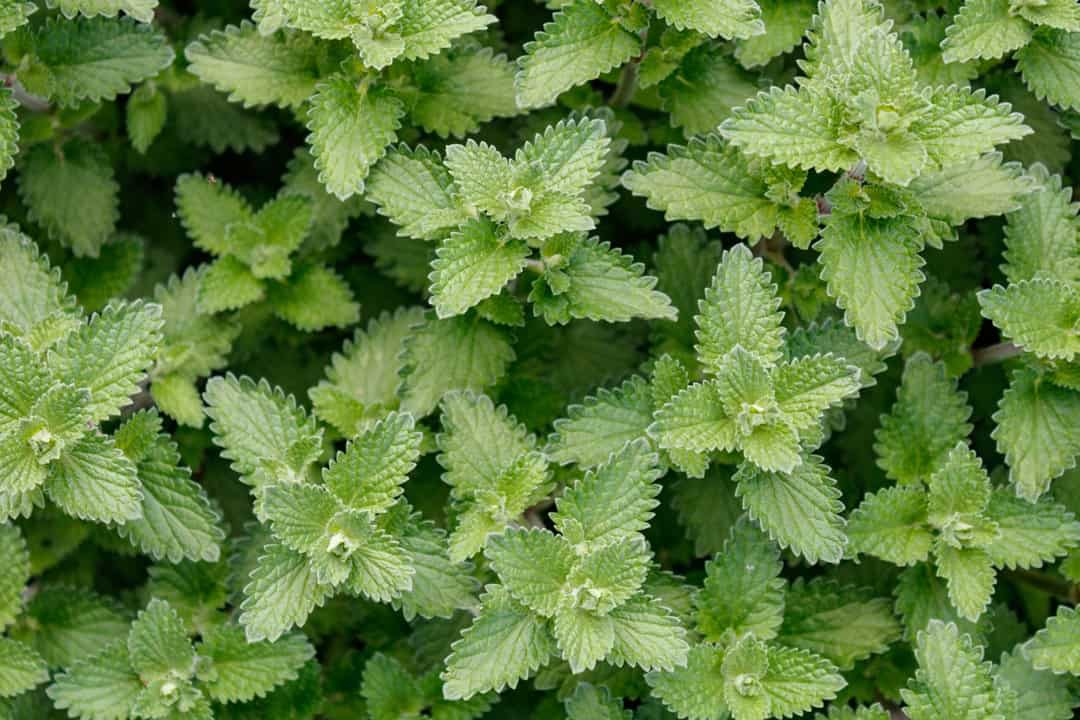
Catnip’s relationship with mice is indirect but highly effective. The compound nepetalactone doesn’t repel mice the way menthol does, but catnip reliably attracts cats, which are natural predators of mice.
Planting catnip near the perimeter of your home keeps cats patrolling the area, creating a biological deterrent.
Catnip grows readily in USDA zones 3–9 in average, well-drained soil with partial to full sun. It spreads, so grow it in containers if you want to keep it contained.
Daffodils contain lycorine, an alkaloid that is toxic to mice. Rodents recognize daffodil bulbs as harmful and avoid them instinctively. Plant them around the perimeter of your home or garden to create a natural, low-maintenance barrier.
Daffodils grow in USDA zones 3–9, need minimal watering once established, and come back year after year. They’re one of the most beautiful options on this list, and one of the most passive, since they require no cutting, crushing, or refreshing to remain effective.
Best for: Flower beds, perimeter borders, pathway edges, front entryways.
All ten plants prefer well-draining soil. This is worth factoring in if your yard has heavy clay, amending the soil or using raised beds and containers will improve results across the board.
Plant Placement Strategies
Strategically planting your mice-repellent plants outdoors is key. So here are the perfect spots.
Outdoor Garden Layout
The most effective outdoor approach creates two layers of defense. Start by planting aromatic species, peppermint, lavender, garlic, onions, along the perimeter of your property. This creates a scent barrier that mice encounter before they reach your home.
Then fill the interior of your garden with secondary plantings of catnip, citronella, and daffodils. Mice that push past the outer layer hit additional deterrents before reaching your plants or structure.
Add cedar mulch between beds. Cedar has its own mild repellent properties and makes the environment less hospitable for nesting.
Indoor Plant Arrangement
Indoors, focus on entry points first. Place eucalyptus oil-soaked cotton balls or small citrus peel caches near doors, windows, and any known gap areas. These are the most critical zones to cover.
Keep potted peppermint or lavender on interior windowsills, they add fragrance to the room while serving a practical purpose. A catnip plant near a cat door or indoor/outdoor entry point keeps your feline patrol incentivized to stay nearby.
Daffodil bulbs in pots near interior thresholds add a toxicity-based deterrent without any maintenance beyond occasional watering.
Boost Your Results: Essential Oils and DIY Solutions
Plants alone are sometimes not enough, especially during a heavier infestation or in a property with many entry points. Essential oils let you apply the same repellent compounds in concentrated form, precisely where you need them.
Combine 30 drops with 10 oz of water in a spray bottle. Spray near doors, windows, and under appliances. Reapply every two weeks. This is one of the most widely used and well-documented natural mouse repellents available.
Eucalyptus oil
Apply to cotton balls and place in drawers, behind appliances, and in any area where mice have been spotted. Refresh weekly.
Citronella, cinnamon, and lemongrass oils
Effective as spray additions or cotton ball treatments. Mice dislike all three. Mix into a water-based spray with eucalyptus for a broader-spectrum deterrent.
Product to try (ready-made)
Grandpa Gus’s Extra-Strength Mouse Repellent uses a base of cinnamon and peppermint oil, two of the strongest scent-based deterrents, in a ready-to-use formulation for indoor and outdoor use.
DIY sachets
Fill small muslin bags with dried lavender, peppermint, or catnip and place them in drawers, closets, under sinks, and behind appliances. Replace the dried herbs every 4–6 weeks as the scent fades.
Other Scents Mice Hate
Beyond the ten plants above, several common household items and spices produce scents that mice avoid:
Cayenne pepper: Sprinkle in pantry corners, around baseboards, and near food storage. Reapply after cleaning.
Cinnamon: Mice genuinely dislike warm spice scents. Use sticks or oil near problem areas.
White vinegar: Dilute with water and spray along baseboards. Avoid hardwood floors and fabric.
Dryer sheets: Tuck into corners and behind appliances as a short-term deterrent.
Clove oil: Eugenol, clove’s primary compound, has documented repellent effects against a range of organisms.
These work best as supplements to your plant strategy, not as standalone solutions.
How To Maintain Your Mouse-Repelling Plants
Healthy plants release more of the compounds that deter mice. Neglected or dying plants lose their effectiveness quickly.
Peppermint and lavender: Snip flower heads as they wither to encourage new growth and stronger scent output. Do this every few weeks during the growing season.
Garlic and onions: Remove yellow or dried leaves promptly. Healthy foliage maximizes allicin release. Cut bulbs periodically near problem areas for a concentrated scent boost.
Citrus and eucalyptus: Trim dead branches to improve air circulation. Better airflow means more volatile compound release from leaves.
Catnip: Prune regularly to prevent aggressive spreading and to keep the plant producing fresh, aromatic growth.
All plants: Replace cotton ball or sachet treatments every 1–2 weeks. Essential oil and dried herb potency fades faster than living plant output.
Seal The Gaps: Physical Mouse Control That Works Alongside Plants
Plants create a scent barrier, but mice can still enter through physical gaps if the motivation is strong enough (warmth, food, shelter). Always pair your plant strategy with these physical controls:
Steel wool and copper mesh: Pack into gaps, cracks, and pipe openings. Mice cannot chew through either material. Use caulk to hold the wool in place.
Spray foam: Seal larger openings around utility lines, vents, and foundation cracks.
Hardware cloth: Use 1/4-inch mesh to cover vents, weep holes, and crawl space openings. Mice can fit through any gap larger than 1/4 inch.
Bright exterior lighting: Motion-activated lights near entry points startle mice and expose them to predators.
Keep brush piles, wood stacks, and debris away from the home’s foundation. These provide shelter that brings mice closer to your walls.
If Plants Aren’t Enough: Traps That Don’t Use Poison
Sometimes scent barriers need backup, particularly during active infestations. Traps are the most targeted option when you’ve confirmed mice are already inside.
For a humane approach, Utopia Home Humane Mouse Traps catch mice alive without harming them. Release them well away from your home once caught. If you prefer a faster solution, snap traps baited with peanut butter remain one of the most effective options available.
Place any trap along walls and baseboards, mice travel edges, not open floor space. Check and reset daily.
Remove What Attracts Them in the First Place
Plants deter mice from approaching. But if food and shelter are available inside, determined mice will push through any scent barrier.
Store all pantry items in sealed hard containers, not bags or thin cardboard. Clean up crumbs and spills immediately. Keep pet food in airtight bins rather than open bags.
Eliminate indoor nesting opportunities too. Clutter in garages, basements, and storage areas gives mice exactly what they need to settle in quietly.
When to Call a Pest Control Professional
Natural methods work best as prevention or early-stage deterrence. Call a professional if you notice:
DIY solutions, plants, and essential oils have not reduced mouse activity after 2–3 weeks
Signs of extensive damage, i.e., gnawed wires, shredded insulation, and large numbers of droppings
Evidence of rapid population growth (one or two mice become five or more quickly)
Entry points that you cannot locate or seal yourself
A licensed pest control technician can assess the scope of the infestation, identify hidden entry points, and deploy traps or exclusion materials with far more precision than a general DIY approach allows. You can also use our nationwide pest control finder.
That’s All For Now!
Mouse-repelling plants are a fantastic option to keep mice away while avoiding harsh chemicals or inhumane traps. It takes a little bit of work and patience, but the results are well worth it!
Let’s recap the 10 plants that repel mice:
Peppermint
Lavender
Garlic
Citrus
Citronella
Onions
Clover
Eucalyptus
Catnip
Daffodils
By incorporating these plants into your home and garden, you have an added layer of protection against mice, the natural way.
Remember that some of these plants, such as lavender, require more care to flourish, while others, like garlic, can be grown easily. Happy gardening!
References
Sabine C. Hansen, et al. (2016). Plant Secondary Metabolites as Rodent Repellents: a Systematic Review. Journal of Chemical Ecology
Robyn is your friendly neighborhood writer, editor, and published author - boasting many years of experience in pest control, from which she magically weaves words into the captivating and engaging posts as we know them. When not tucked behind her laptop screen, she can be found embracing nature in the most thrilling ways possible. Rock climbing? Yes, please! Hiking? Absolutely! Traveling the U.S. with her husband, their lovable three-legged dog, and two mischievous cats? That’s her everyday reality. They live, love, and work in their cozy campervan, letting the road take them where it will, and finding inspiration in every sunrise, mountain peak, and wildlife sighting they encounter. Check out my Profile.
Pest Pointers was started in a cozy corner of Upstate New York, known for its expansive pastures, dense woods, and abundant wildlife pests. We are dedicated to providing YOU with solutions and insights into managing common pest issues. Starting out on over 50 acres of land and a freshwater bass pond with abundant pests, we combine firsthand experience with dedicated advice to help you tackle even the toughest of critters!