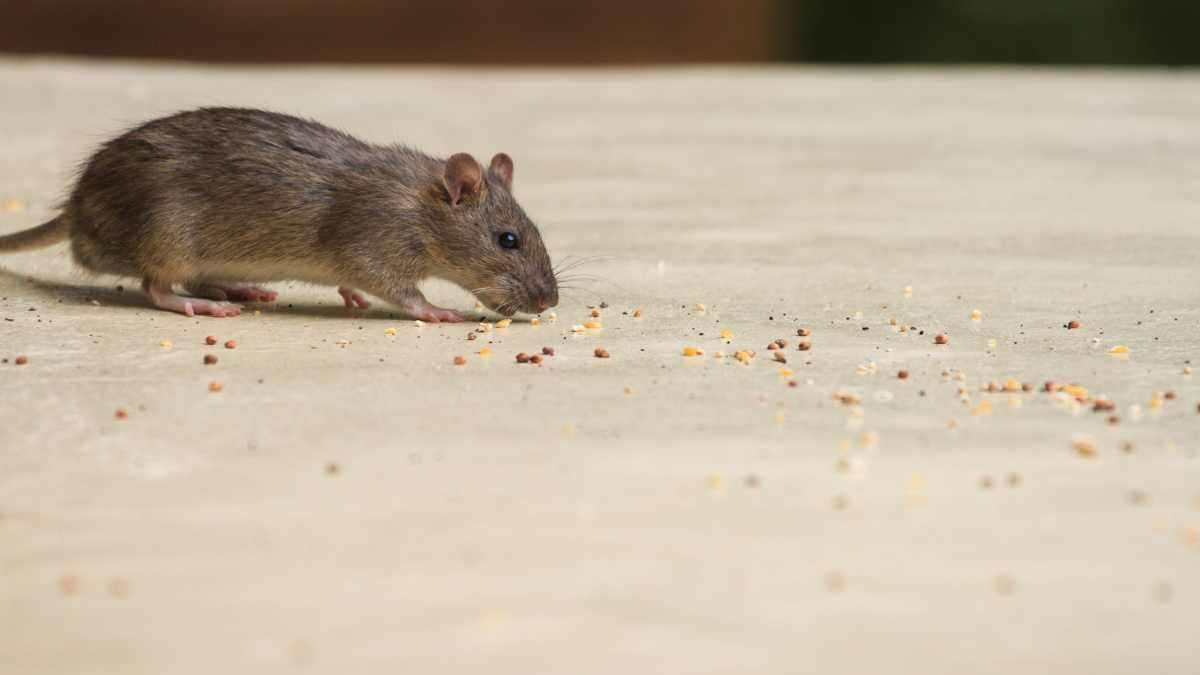
Mice are notorious for finding their way into homes and other buildings, stealthily scurrying into hidden nooks and crannies. If you’ve ever experienced an infestation, you know how important it is to understand their behavior and preferences to pinpoint their hiding spots.
Knowledge is power, and in this case, knowledge can help you prevent or combat an infestation better than ever before!
When looking for the perfect hiding spot, mice are attracted to warm, dark, and enclosed spaces, allowing them to feel secure and out of sight. Within homes, there are some common places to find mice that include basements, attics, kitchens, garages, and inside walls.
While these spaces are more residential, mice are also known to invade commercial properties, outdoor areas, and transportation hubs. Understanding what attracts them to specific areas helps you address the issue and keep them away from your home.
Key Takeaways:
Mice are commonly found in kitchens due to the abundance of food and shelter.
Basements provide a dark and quiet environment that is perfect for mice to build nests and raise their young.
Garages can be a haven for mice, especially if they are cluttered or have food sources such as pet food or birdseed.
Attics provide a warm and secluded space for mice to live and breed, and they can cause damage by chewing on insulation and electrical wires.
* This post contains affiliate links.
A Quick Look at Mice Behavior and Habitat
Mice are crafty creatures that tend to live close to humans, making houses, barns, granaries, and other structures prime real estate for their tiny families. They’re also found in open fields and agricultural lands.
Your home could be a mouse paradise, but understanding their behavior and habitat is essential to keep them away. In their daily lives, mice do not venture far from their nests. The University of Kentucky backs this up by stating that mice rarely venture further than 25 feet from their homes.
Knowing that mice usually seek food, water, and shelter, you can take preventative measures by eliminating these attractions. For instance, mice love clutter—it’s like an all-inclusive resort for these critters. Proper storage of food and reducing clutter can help in dissuading mice from entering and establishing their territory in your home.
The great outdoors can also be enticing for mice. Some may spend the summer in fields before moving into your home as the weather gets colder. To protect your home from an unexpected visitor, seal any cracks and gaps around the exterior.
Now, it’s time to talk about mice behavior in the wild. They often occupy cultivated fields and fencerows. To keep these unwelcome guests from using your outdoor space as a playground, consider installing a fence and maintaining the vegetation around your property.
It’s recommended to use fencing with holes no larger than 1/4 inch. Otherwise, mice can sneak through. LAN LIA Heavy Duty Hardware Cloth is a great choice with 1/4-inch holes!
In terms of where you might find mice indoors, your kitchen and storage spaces are prime spots. Keeping your kitchen clean, sealing your trash bins, and tightly storing leftovers will make it less inviting to these curious creatures.
These sneaky little guys might be hiding in the walls or ceilings, finding warmth in insulation. Seal those holes and gaps in the walls to keep these furry friends from making themselves at home. Xcluder Rodent Control Fill Fabric can be stuffed into holes and gaps to exclude mice.
Remember, knowledge is power, so arm yourself with information and keep your home fortified against these pesky invaders!
Now that you’ve got a bit of the general down, let’s discuss why mice are attracted to certain spaces and then get into some of the most common places they’re found!
What Attracts A Mouse To Any Given Space?
When it comes to understanding where mice might be lurking, it’s essential to recognize what attracts them to certain spaces in the first place. Mice are opportunistic creatures, seeking out spaces that offer shelter, warmth, and easy access to food.
For example, when temperatures drop outside, mice may be attracted to your home by detecting escaping heat and potential access to food. They tend to find their way into your living space through openings that are ¼ inch or larger, and they are particularly drawn to areas with clutter.
Here’s an overview of the things that attract mice to certain spaces:
Space
Attractants for Mice
Inside the Home
Food crumbs, pet food, open food containers, dirty dishes, garbage, clutter, warm shelter, entry points like gaps in walls or windows
Food products (especially grains and cereals), cardboard boxes, clutter, warm shelter, entry points like gaps in walls or loading docks
In Restaurants
Food scraps, unsecured garbage cans, dirty dishes, clutter, warm shelter, entry points like gaps in walls or doors
Public Transportation Hubs
Food scraps, unsecured garbage cans, clutter, warm shelter, entry points like gaps in walls or doors, nesting materials like shredded paper or fabric
It’s important to note that mice are opportunistic and will eat almost anything, so these are just some common attractants. Keeping spaces clean and clutter-free, properly storing food and garbage, and sealing entry points can all help prevent mice infestations.
If your outdoor space has any of the following attributes, it’s more likely that mice will make themselves at home:
Dense vegetation or overgrown plants
Piles of wood or debris
Sources of standing water
Unsecured trash cans
Inside your home, some spaces that attract mice include:
Kitchens with easily accessible food
Basements or attics with clutter or exposed insulation
Areas with piping or electrical wiring
Now, let’s discuss some ways to keep mice out and away from these spaces. To deter mice from outdoor areas, consider:
Trimming overgrown plants and removing clutter
Storing firewood or debris off the ground and away from the home
Eliminating sources of standing water
Securing trash cans with tight-fitting lids
For the inside of your home, a few prevention measures include:
Sealing any gaps or cracks larger than a ¼ inch
Keeping food stored in airtight containers or secure cupboards
Maintaining a clean and clutter-free environment
Regularly inspecting and repairing any damaged pipes or electrical wiring
By implementing these strategies, you’ll minimize the chances of mice being attracted to your home. Remember, understanding what attracts mice to specific spaces—like warmth, food, and shelter—is the key to keeping them at bay. And while it may seem like a daunting task, tackling mice prevention one step at a time will make a significant difference in protecting your home from an unwanted invasion!
Most Common Home Areas That Attract Mice
Kitchens
You are what you eat, and mice think so too! Kitchens are a common place to find mice since they provide easy access to food sources and warm hiding spots. In kitchens, mice are often found:
behind appliances
in cabinets
beneath the sink
To keep mice away from your kitchen, ensure all food is stored in sealed containers and do not let dirty dishes pile up. Regularly clean countertops, floors, and cupboards to eliminate food particles that might attract them. Seal gaps and cracks in your kitchen to prevent mice from entering in the first place.
Bathrooms
Water, water, everywhere, and mice love it too! Water sources in bathrooms, such as leaking pipes or dripping faucets, can attract mice. They may also hide in crevices around your bathroom, including:
behind baseboards
beneath vanity cabinets
in wall voids
To prevent mice from getting comfortable in your bathroom, fix any water leaks and maintain proper plumbing. Keep the area clean and seal gaps that may lead to their entry.
Basements
The dark side is strong with mice! Basements often provide a cool, dark, and quiet place for mice to reside. They can hide and nest in:
boxes
clutter
insulation materials
To discourage mice from taking up residence in your basement, declutter and store items in sealed plastic containers. Regularly inspect and repair potential entry points or foundation cracks, and maintain a clean, dry environment.
Attics
Like basements, attics offer secluded spaces for mice to establish nests using insulation and other available materials. They may be found:
in storage boxes
within insulation
near the eaves
Prevent mice from nesting in your attic by regularly inspecting for signs of their presence and sealing access points. Keep the area clean and clutter-free, and store items in sealed containers. Proper insulation and ventilation can also deter mice by maintaining a less hospitable environment.
Remember to stay vigilant in maintaining your home to keep mice away, and always be aware of the common areas they can be found. With a little effort and attention to detail, you can work to prevent these little critters from causing problems in and around your home.
Commercial Spaces That Attract Mice
Restaurants
Restaurants can be a prime location for mice, and the reasons are obvious – they are attracted to the abundance of food and warmth! These little critters love sneaking into kitchens and scurrying around in search of a tasty treat.
To deter mice from entering your restaurant, it’s crucial to keep eating areas and food storage clean, properly seal any potential entry points, and dispose of waste promptly.
Did you know that mice can squeeze through gaps as small as a pencil width? To protect your establishment from unwanted rodent guests, inspect your restaurant thoroughly for any gaps, holes, or cracks. Fixing these potential entry points will help keep them out!
Grocery Stores
Mice are, understandably, attracted to grocery stores due to the wide range of food available. They might sneak in through gaps in masonry, unsealed doors, or damaged door sweeps. Mice can even hitch a ride inside packages and deliveries!
While more than likely you’re shopping at one vs. actually owning a grocery store, here are some general tips to keep mice out of grocery stores:
Regularly inspect and maintain the building’s exterior.
Ensure all doors have tight-fitting sweeps.
Store food products at a height.
Keep a clean and clutter-free environment.
Remember, a clean grocery store is less inviting to these little pests!
Warehouses
Warehouses (even storage units) may also have increased vulnerability to mice infestations. A warehouse built near fields, wooded areas, or water sources can be particularly at risk, as these places provide ideal habitats for mice.
Once inside, warehouses offer ample hiding spots and nesting areas, making it difficult to identify and address the problem.
To lower the likelihood of a mouse problem in your warehouse, follow these steps:
Seal gaps and cracks in building exteriors.
Use rodent-proof doors and sweeps.
Keep the area clean and clutter-free.
Regularly inspect for signs of rodents, like droppings or damaged products.
So, whether it’s a restaurant, grocery store, or warehouse, being proactive in mice prevention is key. By keeping these spaces clean, well-maintained, and properly sealed, you’ll be doing your part to ensure a rodent-free environment!
Most Common Outdoor Spaces That Mice Love
Gardens
Ah, gardens! A serene escape for you, but a paradise buffet for mice! Mice head to gardens due to the abundance of food, including plants, fruits, and insects. To keep mice away from your prized petunias:
Remove potential hiding spots, like piles of leaves or excess vegetation.
Regularly harvest ripe fruits and vegetables to eliminate their food source.
Did you know? Mice are particularly fond of fruits like strawberries, so keep an eye on those!
Parks
Parks are like a theme park for mice, with plenty of hiding spots and picnic leftovers to nibble on. For park enthusiasts like yourself, here’s how to help keep mice at bay:
Do not leave food unattended. Mice have a keen sense of smell and can quickly find those tasty morsels you leave behind!
Dispose of trash properly. Make sure to use designated trash receptacles to keep the park clean and mice-free.
Fun fact: Mice can actually jump up to 18 inches high, making them agile little acrobats in the park!
Dumpsters
Like a treasure trove for resourceful mice, dumpsters offer irresistible food scraps and shelter. If you’re tasked with keeping mice away from your community dumpsters:
Secure the lids tightly. Mice are crafty, so ensuring that lids are securely closed will make it more difficult for them to enter.
Keep the area clean and regularly maintained, as well-maintained dumpsters are less enticing for mice.
Ever wonder where mice fit all their dumpster finds? Their stomachs can hold around 10% of their body weight! Amazing, isn’t it?
Your role is crucial in preventing and addressing outdoor mice infestations. By implementing these measures, you can contribute to keeping outdoor spaces enjoyable for all.
Remember, mice are opportunistic creatures, and by keeping these areas clean, your home and community will be less inviting to these unwelcome guests.
Bonus: Most Common Transportation Hubs That Attract Mice
Train Stations
Watch your step, because train stations are quite the hotspot for mice looking to hitch a ride. These bustling, busy hubs provide plenty of food and shelter for our furry friends. Some might even say they live on the “fast track”!
Why do mice love train stations? Train stations offer mice ample food sources, such as discarded snacks and crumbs. Plus, with people coming and going, it’s easy for them to find shelter in luggage or other hiding places.
How to keep mice away: Keep your belongings sealed and elevated, and avoid leaving food unattended. Stations should implement regular cleaning and maintenance to reduce food availability.
Subway Stations
Next stop, subway stations! These underground hideouts are like an all-you-can-eat buffet for mice. They often choose subways to avoid predators and harsh weather, getting a free ride to mouse paradise.
Why do mice love subway stations? They can scavenge for food left by commuters and make their homes in the hidden nooks and crannies of the tunnels.
How to keep mice away: Much like train stations, ensure your belongings are sealed. Subway stations should also focus on regular cleaning and pest control measures to keep mice populations in check.
Airports
It’s a bird. It’s a plane. It’s… airport mice! Airport terminals can be a hotspot for mice, as they provide ample food sources and hiding places. Friendly skies indeed!
Why do mice love airports? Airports offer everything mice need, from food to shelter. With thousands of passengers, there’s a great chance they’ll find some tasty leftovers to munch on!
How to keep mice away: Be vigilant with your luggage, and keep all food properly stored. Airports should emphasize cleanliness and implement proper pest control measures to keep rodents at bay.
So, whether it’s trains, planes, or subways, mice are frequent flyers just like you! Keep an eye out for these furry travelers and take these preventive measures to ensure mice don’t catch a ride with you!
That’s A Wrap!
Outside mice hideouts are where these uninvited guests feel comfortable and secure. Some of the most common places are:
Gardens: Mice love munching on various plants and seeds (who doesn’t love a good salad?).
Piles of leaves: These make a cozy nest for your furry foes, providing a warm abode away from the elements.
Woodpiles: Stacked lumber can serve as a condo complex for mice who dream of suburban life!
Keep your yard tidy and well-maintained to minimize mice nesting. Ensure woodpiles are dry, and trim your garden frequently to keep it from becoming a mice cafeteria!
If a mouse decides to become an inside resident, it searches for those perfect nooks and crannies. Some popular indoor hangouts are:
Kitchen cabinets: They really dig your culinary style!
Basements: Mice love the chill atmosphere and abundance of potential nesting materials.
Walls: Hidden away in your wall cavities, mice live out their secret agent fantasies!
To prevent mice from infiltrating your home, seal off any cracks or openings (you’re not running a bed and breakfast). Store food in airtight containers, and keep your living spaces clean – nobody likes a messy roommate!
It’s not just because mice are fond of colonial architecture that they choose these places; it’s natural for them to seek shelter, warmth, and food sources to survive. You can do your part by following these simple guidelines:
Keep your indoor and outdoor living spaces clean and well-maintained.
Seal any potential entry points that a clever mouse might exploit.
Store food securely and avoid leaving out any tantalizing treats!
Another option is to reach out to a professional pest control expert. Our nationwide pest control finder can connect you with a local pest pro that can give you the ins and outs of keeping your area free of mice.
By following these pointers, you’ll discourage rodent residency and help ensure a mouse-free environment for everyone to enjoy! And always remember: when dealing with mice, knowledge is power – so arm yourself with research and put up a strong defense against these unwanted intruders!
Robyn is your friendly neighborhood writer, editor, and published author - boasting many years of experience in pest control, from which she magically weaves words into the captivating and engaging posts as we know them. When not tucked behind her laptop screen, she can be found embracing nature in the most thrilling ways possible. Rock climbing? Yes, please! Hiking? Absolutely! Traveling the U.S. with her husband, their lovable three-legged dog, and two mischievous cats? That’s her everyday reality. They live, love, and work in their cozy campervan, letting the road take them where it will, and finding inspiration in every sunrise, mountain peak, and wildlife sighting they encounter. Check out my Profile.
Pest Pointers was started in a cozy corner of Upstate New York, known for its expansive pastures, dense woods, and abundant wildlife pests. We are dedicated to providing YOU with solutions and insights into managing common pest issues. Starting out on over 50 acres of land and a freshwater bass pond with abundant pests, we combine firsthand experience with dedicated advice to help you tackle even the toughest of critters!