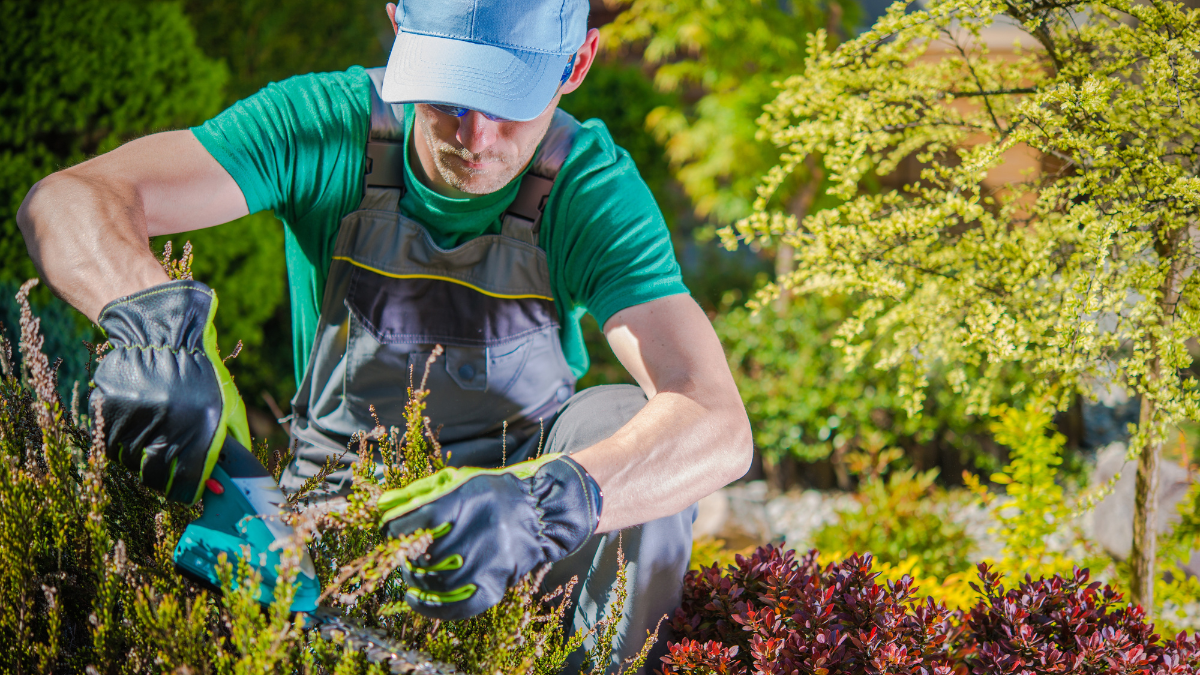
There’s nothing better than cultivating your own garden, whether for vegetables, fruits, or beautiful flowers. Gardening is a pastime enjoyed by many, but unwanted pests can ruin it in the blink of an eye!
Pest Pointers is a champion for eco-friendly garden pest control solutions. We understand the need for organic, natural repellents that keep pests away but keep our plants healthy. That’s why we never rely on heavy chemical-based repellents and prefer a more natural route.
If you’re searching for eco-friendly garden pest control, Pest Pointers is here to help! At the bottom of this post you will find our collection of articles highly relevant to the topic on hand, marking your entry point for eco-friendly pest control in gardening. Our well-researched articles are a beacon to homeowners with green thumbs. Bookmark this page now, we’d love to see you back here frequently!
* This post contains affiliate links.
Benefits of Eco-Friendly Garden Pest Control
Whether you enjoy growing your own food or having a well-manicured flowerbed, pests can put a damper on your hard work. Those little nuisances damage your plants from above and below.
When you reach for a pest control solution, opt for an eco-friendly garden pest control option. It has so many benefits for you, your family, and the environment.
Organic Growing
Let’s be honest, home-grown zucchini, peppers, and tomatoes just taste better than the pesticide-glazed food you find in stores! Part of organic growing is abstaining from using artificial pesticides and fertilizers to grow your crops.
When you use eco-friendly garden pest control solutions recommended by Pest Pointers, you’re choosing to become an organic grower.Yay! The University of Massachusetts tells us that this has some major benefits for your soil:
Improved soil tilth (suitability to grow crops)
Improved soil structure
Improved water retention
Even nutrient release
When artificial pesticides and fertilizers are used to grow crops, it has negative effects on the soil and makes it harder to grow crops in subsequent years. It’s also harmful to the natural beneficial organisms that live in the soil.
Safe Food
Eco-friendly garden pest control options make any food you grow in your garden much safer to consume. Were you ever told growing up to wash your vegetables before you eat them?
Back in the day, this was because vegetables grown naturally still had dirt on them, which increased their shelf life. Unfortunately, the reason we wash our vegetables today is far more sinister: to remove any residual pesticides.
That’s why here at Pest Pointers we provide eco-friendly solutions that make your food safe to eat straight from the garden – how it’s meant to be!
Pet and Child Safety
If you’ve ever read the label on a synthetic chemical pesticide, you’ve probably seen warning labels and exclamation marks everywhere. While many of these products are touted as ‘safe’ to use around children and pets, there’s quite a bit of fine print to wade through before the product is deemed ‘safe.’
With eco-friendly garden pest control, there’s no worrying about the effects of the repellent on your family, little ones and furry ones included! Our pest control methods include DIY repellents or organic repellents with easily pronounceable ingredients and no hidden chemicals.
We care deeply about your family’s safety, which is why our well-researched articles provide solutions that are pet- and parent-approved!
Good For The Environment
When you search for any old outdoor pesticide, you’ll find scary-sounding ingredients. Bifenthrin, pyrethroid, cyhalothrin, just to name a few. These chemicals can be detrimental to the environment and the critters that help your garden grow!
For example, bifenthrin is a common ingredient in household insecticides and pesticides. It is highly toxic to bees, which help pollinate your plants. It’s also highly toxic to fish and small aquatic organisms.
Another side effect of these chemicals is that they are persistent in the environment, meaning it takes a very long time for them to break down naturally. In the meantime, anything that comes in contact with that chemical can be affected.
On the other hand, when you opt for eco-friendly garden pest control solutions like the ones offered in our articles, you increase the quality of your soil, make your garden a haven for pollinators, and use repellents that will never persist in the environment. Mother Nature will thank you (and so will the pollinators!).
Natural Balance
Using eco-friendly garden pest control repellents is a far more natural way to repel pests than using synthetic chemicals. At Pest Pointers, our articles are geared toward using the most natural solutions possible.
Our natural repellent options aren’t focused solely on spray applications, we also love exploring other natural ways to repel pests, including:
Habitat modification
Companion planting
Crop rotation
Physical barriers
Scare tactics
Natural biological control
Scent deterrents
So, if you’re the type of gardener who is concerned about using unnatural repellents on their well-tended plants, then Pest Pointers is your one-stop destination for eco-friendly garden pest control solutions!
Taking Care of Garden Pests Naturally
Believe it or not, having pests in your garden is kind of a good thing! It means the veggies and plants in your garden are healthy enough to eat. Garden pests are drawn to healthy plants because they provide the highest quality nutrition.
So, if you’re dealing with pests in your garden, pat yourself on the back – it means you’re doing a good job! That said, most gardeners aren’t thrilled with having insects and nighttime critters sneaking into their gardens to destroy their plants.
At Pest Pointers, we understand the frustration of losing your hard-earned veggies and fruits to pests. We aim to take care of garden pests naturally using a few techniques that are natural, organic, and safe to use around your family and pets!
Habitat Modification
This one’s a biggie. While your garden may be a haven for insects and small mammals, the rest of your yard may also attract these pests closer than you’d like! Our well-researched articles focus on habitat modification as a natural, eco-friendly solution to your garden pests.
So, what exactly is habitat modification?
In its most basic form, you want to make your yard as undesirable as possible to these pests. Now, this doesn’t mean turning your yard into a barren wasteland. It just means picking up unused tools, tidying up any wood, leaf, or dirt piles, and keeping the yard, trees, and bushes trimmed.
When you eliminate hiding places for pests like mice, voles, gophers, and rabbits, they’re less likely to come near your garden for a munch. Similarly, modifying your yard to be more attractive to birds may in turn make it more difficult for insects to invade your garden, as they’ll be a prime food source for many birds.
Biological Control
Like habitat modification, biological control involves using natural processes to target pests. With biological control, there’s no need for harsh chemicals or sprays that leave you coughing from the fumes!
Biological control involves utilizing natural predator-prey relationships. When you identify the pest, think of what eats that pest, and make your yard attractive to that predator.
For example, if you’ve noticed caterpillars are invading your garden, try attracting birds to the yard by putting up birdhouses. We have an excellent guide on 6 things to do if you have caterpillars in your garden here! Aphids and ants are a common problem in gardens that can be corrected by releasing beneficial insects like ladybugs into your garden.
These eco-friendly garden pest control solutions are natural and promote an organic balance in your little oasis.
Companion Planting
Companion planting is another tactic that we recommend in our garden pest control articles. This tactic appeals to a lot of gardeners because it utilizes a plant’s natural defenses and scent to repel unwanted pests.
A great example is planting garlic or strong-smelling herbs next to vulnerable plants like tomatoes, cabbage, lettuce, and cucumbers. The pungent odor of these herbs acts as a natural barrier, repelling pests organically. When disturbed, garlic emits a powerful smell that acts as a deterrent to many insects and even pesky critters like mice, rabbits, and deer.
Plants in the mint family tend to have a similar effect, using strong odor to repel garden pests from vulnerable veggies and fruits.
These odors work by masking the smell of the pest’s intended target: your garden’s vegetable plants! Because mint, garlic, and herbs have such an overwhelming smell to insects, they have trouble locating real food. This makes your garden far less desirable to these insects, and they tend to move on to greener pastures, so to speak!
Physical Barriers
Physical barriers are one of the most effective tools to keep pests off your garden plants, and it’s one of our favorite recommendations in our eco-friendly garden pest control articles.
Barriers are a physical deterrent, such as netting, row covers, container gardening, or fencing. These work best against larger pests like deer, rabbits, mice, voles, raccoons, and opossums. They can also be effective against larger insect pests like caterpillars and beetles, but may not be the best option for tiny insects like whiteflies and aphids.
When discussing physical barriers, it’s important to remember that some pesky critters invade your garden from below the surface. I’m talking voles! These voracious little rodents will chew through the roots of your plant, causing them to wilt with no real explanation until you dig them up and notice the roots are gone! Physical barriers can be placed around and below your plants to protect them above- and below-ground from anything that might want a tasty bite.
Scare Tactics
A common eco-friendly garden pest control solution that we recommend at Pest Pointers is scare tactics. This involves using an object, light, or sound that scares off your garden pest invader.
If birds are pecking away at your precious veggies, a scare tactic might involve hanging reflective ribbons on stakes around the garden. Reflective material intimidates and confuses birds, making them less likely to come near your garden.
Deer are commonly startled by noises, so hanging aluminum pie crust containers or tin cans filled with pennies on your garden fence is likely to scare these creatures off.
Scare tactics never involve chemicals, so they’re good for the environment and safe for your family and pets to be around. Check out some of our featured articles to find out more ways to use these natural, eco-friendly options to take care of your garden pests.
Scent Deterrents
Animals and insects utilize their sense of smell far more than humans do. Unlike us humans, they rely on their olfactory system to survive, using their noses to:
Locate food
Find mates
Sense danger
Like companion planting, scent deterrents use very powerful smells, such as peppermint, lemongrass, and citronella, that overwhelm the pest’s olfactory system.
If the pest’s sense of smell is overwhelmed by peppermint, they won’t be able to locate food or sense danger in their surroundings. In turn, the pest is likely to skedaddle from your garden to an environment where their sense of smell is more useful.
A fantastic example of this is using citronella candles to repel mosquitoes. Did you know that citronella is effective on all flying/biting insects? That’s right! Citronella gives off an extremely powerful scent that masks the scent given off by humans that attracts mosquitoes and other flying pests. To us, it’s like magic, but in reality, it’s just an overwhelming smell that masks the real prize: food!
What About Eco-Friendly Insecticide Sprays?
We’ve talked a lot about using natural ways to keep pests out of your garden that don’t involve chemicals. But what about sprays that claim to be eco-friendly?
At Pest Pointers, we do all the research for you from reputable sites to bring you the most factual, relevant, and recent information possible. Eco-friendly insecticides and pesticides can be extremely effective at repelling pests when used correctly.
Essential Oils
When properly diluted, essential oils can be a powerful deterrent for garden pests like insects, spiders, slugs, and snails. It can also deter larger critters like mice, voles, raccoons, and opossums.
Essential oils are extracted from plants and concentrated, which is why they must be diluted before using. Undiluted forms of essential oils can be quite toxic to plants and the environment, so always make sure to dilute them before applying them in your garden.
As a secondary precaution, it’s always best to wash off your vegetables before consuming them if you use essential oil sprays.
BT Sprays
Bacillus thuringiensis (Bt) is a type of bacterium that is naturally found in soils in gardens. Proteins in the spores of this bacterium are toxic to many types of insect larvae that turn into garden pests, such as Japanese Beetles.
The National Pesticide Information Center tells us that BT is practically nontoxic to most non-target species, including mammals, fish, birds, and even bees.
However, most BT sprays contain other ingredients that tend to be harmful to these garden champions and pollinators, so we typically don’t recommend using BT sprays that have other ingredients.
Neem Oil
Neem oil is a popular option for protecting against leaf-eating pests in the garden. It is a natural oil derived from the neem tree and contains components that inhibit the growth and feeding of insects on plants.
Because neem oil is natural, it is safe to use for organic growing. To be effective, neem oil must be ingested, so it only targets pests that are currently eating your garden plants. Since it must be ingested to be effective, beneficial insects like bees and other pollinators are not affected.
Neem oil is a valuable eco-friendly option for certain garden pests, but it must be applied regularly to see results.
How Pest Pointers Can Help
We’ve covered a lot of information here, but you’re not here just to read about all the natural ways to keep pests away from your garden. You’re ready to jump into specific pests, right? Maybe aphids are leaving brown spots on your garden plants, or a pesky raccoon won’t stop stealing your tomatoes at night.
That’s where Pest Pointers comes in!
We search out common and uncommon garden pests and offer you, the homeowner, attainable solutions for eliminating your specific pest problem using safe, eco-friendly, humane pest control options.
Options For Long-Term Relief From Pests
When rifling through our garden pest control articles, you’ll notice that we don’t just offer solutions to your current problem. At Pest Pointers, we want you to be equipped with the power to stop current and future garden pests.
Our articles aim to teach you a little about the pest, offer resolutions for your current problem, and provide step-by-step solutions to prevent future pest invasions in your garden oasis.
At Pest Pointers, we understand the importance of resolving your current garden pest issues, but we also provide information about why that specific pest has chosen your garden and how to fix the issue.
Attainable Fixes
Another thing we place high on our list of priorities is offering you attainable solutions. We avoid complicated or labor-intensive garden pest control solutions. Instead, we opt for achievable solutions that can be implemented that day.
When you discover a pest in your garden, you’re going to want something you can implement quickly and effectively. Many of our recommendations can be implemented with household items you probably already have in your kitchen or garage.
We also offer fixes that are easy to create or implement in your garden with minimal effort. You don’t need to be a master carpenter or have a doctorate to implement our recommended solutions. We provide information that helps you get rid of your garden pest in easy-to-follow, step-by-step guides.
Safety First
At Pest Pointers, we pride ourselves in offering homeowners eco-friendly, pet-safe, and garden-safe practices for pest control. When you implement our recommendations, there’s no question about whether or not your fruits and veggies will be safe to eat. There’s no wondering what will happen if your pet or children accidentally come in contact with the repellent.
We search high and low for the best garden pest control solutions that will keep your plants, pets, and family safe. In turn, this helps keep your soil healthy, your garden ecosystem in balance, and the natural pollinators happy!
Humane Practices
Have you ever researched a pest control website only to find that their only solution is elimination? In the world of gardening, it’s all about creating a healthy balance between the soil, water, and natural critters who call that environment their home, even if they happen to be pests.
At Pest Pointers, our well-researched articles rely on humane practices to control or remove pests. Things like sticky traps, snap traps, and water-filled buckets just aren’t our thing! We would rather promote a world where gardeners and creatures can coexist in a healthy way that still protects your garden.
You may be wondering – is it even possible?
Absolutely! With a little perseverance and an open mind, your garden can thrive without resorting to harming pests by lethal means. We cover it all in our articles!
Solutions For Every Plant Stage
Pests don’t only go after full-grown plants. Certain pests target your vegetable garden at different stages, such as the seed and seedling stage, growth stage, flowering stage, and production stage.
Our articles offer resolutions for pests at every life stage of your beautiful vegetable and fruit gardens. Whether it’s voles eating the newly-formed roots of your tubers or rabbits munching on new green shoots of your tomato plants.
At Pest Pointers, we understand that your garden goes through many stages throughout the year, and we’re dedicated to finding you garden pest control solutions every step of the way.
Seasonal Surges
Pests change with the seasons. While you might see an explosion of insect pests in early summer, they tend to wind down by late summer and fall. Larger pests like mice, rabbits, opossums, and raccoons have similar seasonal surges when they’re most active.
Our articles take these peaks and valleys into consideration, offering you information on when certain pests are most likely to be a problem in your garden. This gives you a heads-up about when to prepare for pests like aphids, Japanese beetles, caterpillars, and raccoons, to get ahead of the curve and protect your precious plants!
Pest Pointers: Choose Us For Your Eco-Friendly Garden Pest Control Needs
As we wrap up this informative post about how Pest Pointers can help you achieve a pest-free garden, let’s recap the most important things to take away:
Pest Pointers offers eco-friendly garden pest control solutions by utilizing the following options:
Habitat Modification
Biological Control
Companion Planting
Scent Deterrents
Scare Tactics
Physical Barriers
Eco-Friendly Pesticide Sprays
We’ll guide you through how to use these practices and products every step of the way and also provide information about how to keep these pests away long-term.
The next time you see a pest sneaking around in your garden, come back to Pest Pointers for all your garden pest control needs!
Robyn is your friendly neighborhood writer, editor, and published author - boasting many years of experience in pest control, from which she magically weaves words into the captivating and engaging posts as we know them. When not tucked behind her laptop screen, she can be found embracing nature in the most thrilling ways possible. Rock climbing? Yes, please! Hiking? Absolutely! Traveling the U.S. with her husband, their lovable three-legged dog, and two mischievous cats? That’s her everyday reality. They live, love, and work in their cozy campervan, letting the road take them where it will, and finding inspiration in every sunrise, mountain peak, and wildlife sighting they encounter. Check out my Profile.
Pest Pointers was started in a cozy corner of Upstate New York, known for its expansive pastures, dense woods, and abundant wildlife pests. We are dedicated to providing YOU with solutions and insights into managing common pest issues. Starting out on over 50 acres of land and a freshwater bass pond with abundant pests, we combine firsthand experience with dedicated advice to help you tackle even the toughest of critters!


 Scent Deterrents
 Scent Deterrents