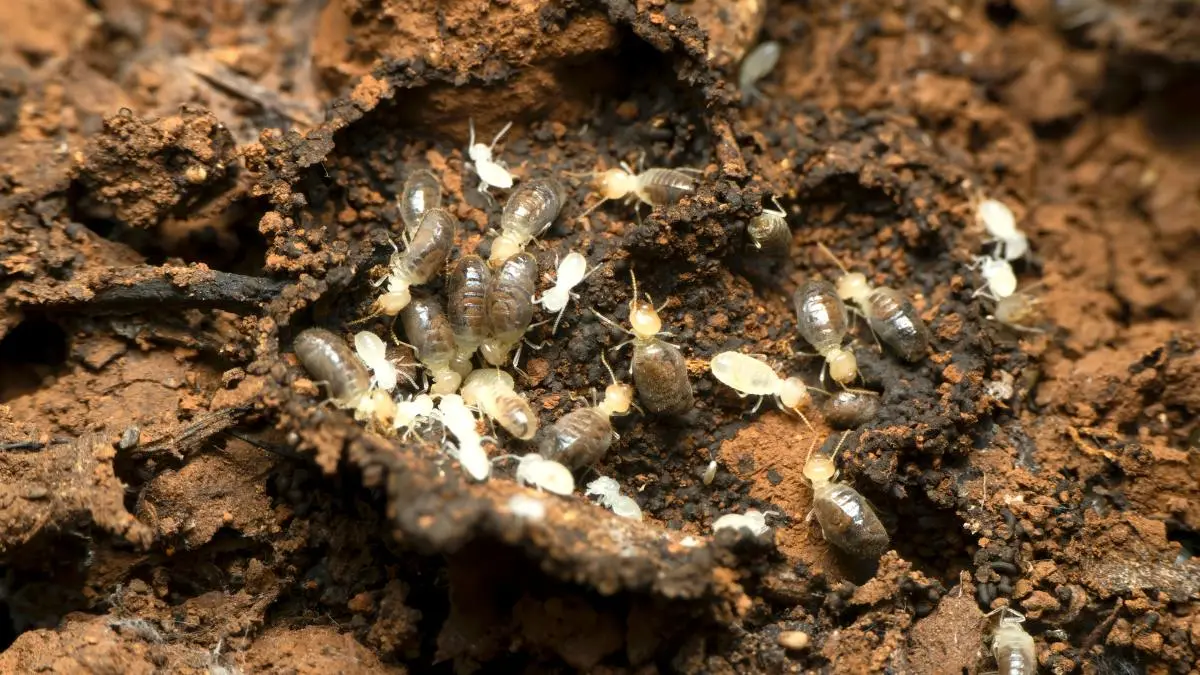
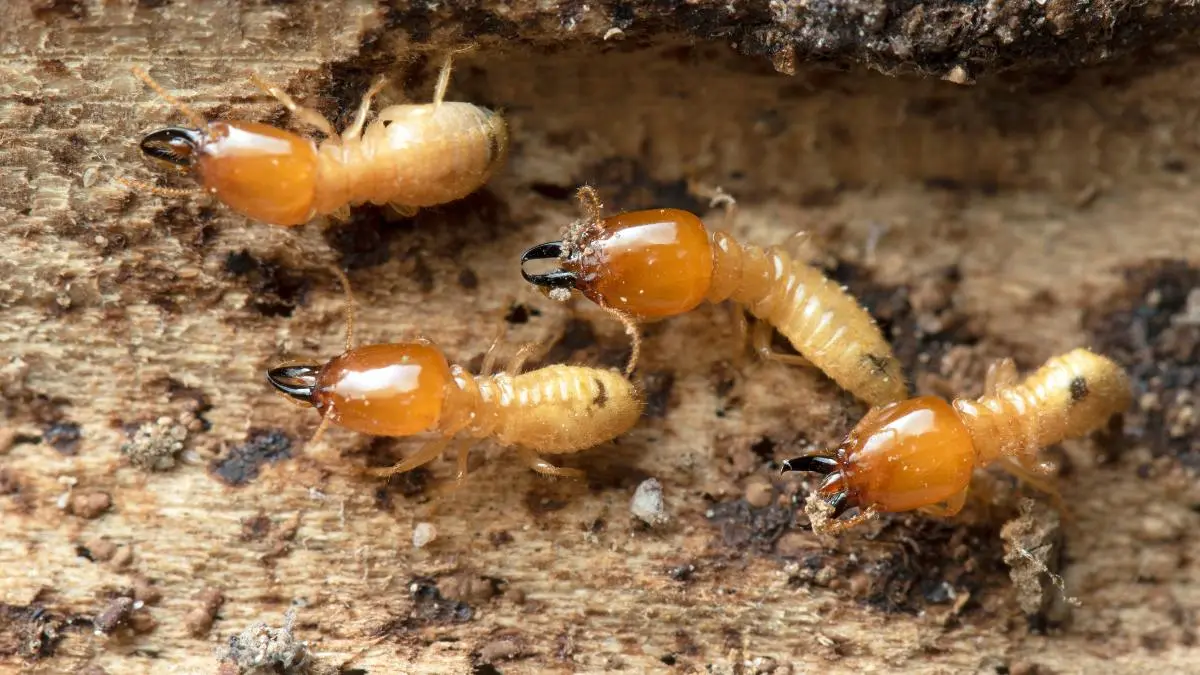
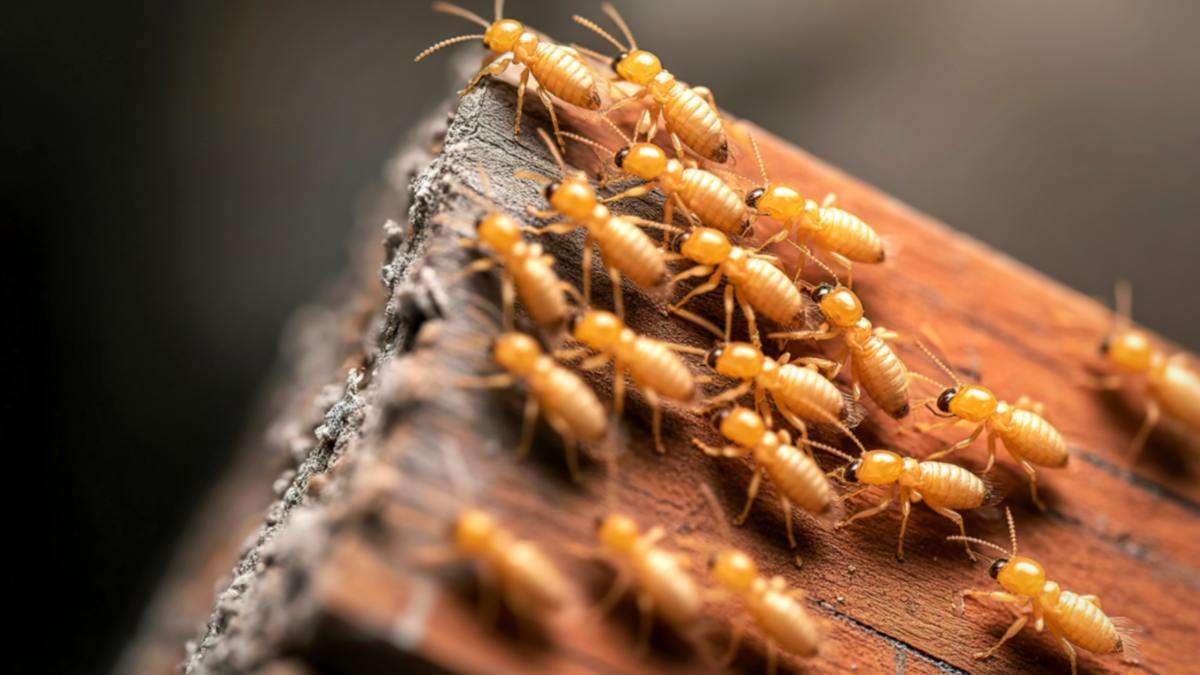
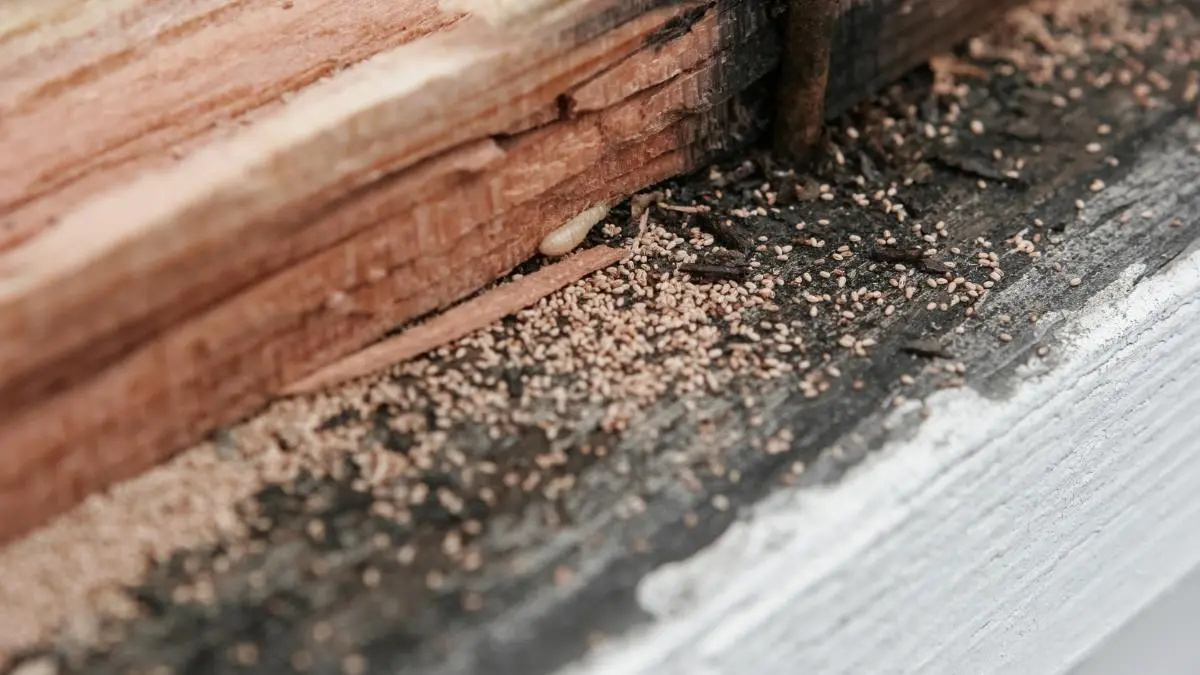
White ants, also known as termites, are one of the worst pests to have in the home. They cause damage, reduce structural integrity, and form massive colonies. If you’re ready to get rid of white ants, you may be wondering how much it costs to hire a professional to treat your home.
White ant treatment cost is dependent on various factors, but typically falls in the range of $600 to $2,000. Factors that affect the price include the type of treatment, the size of the home, and the type of termite.
Treat this article as your guide to white ant treatment cost! We’ll dive into the details of the average cost of treating termites, the different kinds of treatment options (including eco-friendly options), and ways to prevent termites before they cause a problem.
* This post contains affiliate links.
6 Factors That Affect White Ant Treatment Cost
As mentioned previously, the average cost for termite treatment usually falls somewhere between $600 and $2,000. However, that price can be lower or even significantly higher depending on a few key factors.
It’s important to hire a professional as soon as you notice termite damage. These pests live underground, but they make their way into the home and eat through wood, damaging studs and other load-bearing beams behind walls.
If you’re looking for a professional near you, check out our pest control finder to locate a termite specialist near you! Now, let’s move on to the factors that affect white ant treatment cost.
1. Type Of White Ant Treatment
The Environmental Protection Agency (EPA) has approved 5 types of white ant treatment for use by professionals. Because they are approved for use by the EPA, it means that when these treatments are used by professionals according to label directions, they meet safety standards to protect human health and the environment.
The five approved termite treatments include:
Liquid soil-applied termiticides: These are effective against subterranean termites, one of the most common invaders of households. It involves applying a termiticide to the soil that acts as a barrier between the soil and the home. Liquid termiticides are generally more expensive than baits, but less expensive than fumigations.
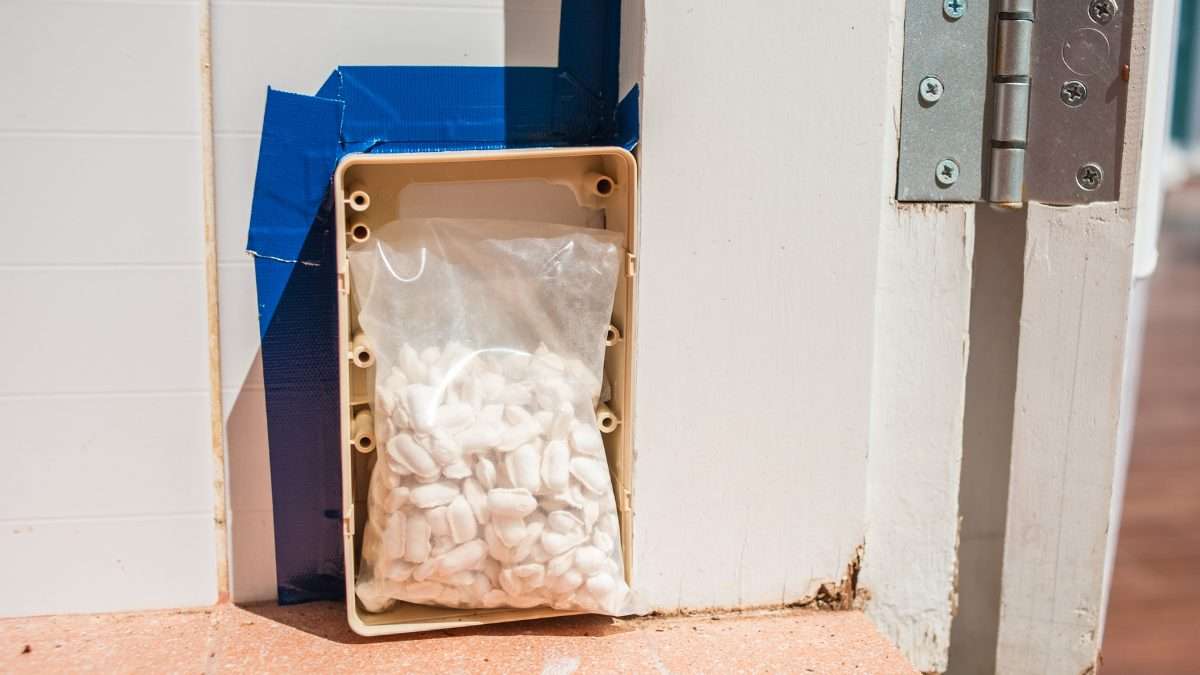
Termite baits: A newer method to treat white ants, termite baits work similarly to ant and cockroach baits. The bait is laced with an insecticide that the termites consume and then return to the colony, spreading the insecticide. This is an affordable option, but prices may rise depending on how many baits are required.
Building materials impregnated with termiticides: This method is helpful for spot treatments when termites are determined to be in only one specific area or wall of the home.
Wood treatments: Wood treatments are done during the construction of the home and are a form of preventative treatment. Because the treatment is done to the entire house, it can be one of the most expensive treatments, but also one of the most effective.
Fumigation: For severe dry wood termite infestations, fumigation may be required. This method is usually the most expensive and the most time-consuming, as you, your pets, and plants must vacate the house for a specified time before returning.
A professional will be able to determine which treatment is best based on their observations of termite activity. However, it’s always a good idea to get a quote from a few different companies to ensure you’re getting the best deal and the most accurate information.
The type of treatment used to get rid of termites affects the white ant treatment cost, with more specialized treatments being more expensive.
2. Type Of Termite
While there are over 2,000 species of termites around the world, there are only three that pose a major risk to households:
Subterranean Termites: Normal subterranean termites are more affordable to treat than their aggressive cousins, the Formosan subterranean termite. Nests are usually accessible, and standard treatments are effective. Formosan termites, on the other hand, build hard-to-reach nests and are aggressive, making them more costly.
Drywood Termites: Unlike subterranean termites, drywood termites nest in wood, not soil. Because these pests live inside the wood, treatment is highly specialized, such as fumigation or heat, making them one of the most costly white ant species to treat.
Dampwood Termites: Borates are a common, affordable treatment for dampwood termites. This species is generally more affordable than other white ant species.
Overall, subterranean termites are the most commonly reported type of termite inside homes, but drywood termites are the most costly. Dampwood termites are usually the least costly type, but this can depend on how severe the infestation is.
Termite mud tubes are one of the biggest markers for termites. Head over to our article on termite mud tubes to learn what they look like, how to identify them, and what to do about them.
3. Size Of The Treatment Area
Another factor affecting white ant treatment cost is the size of the treatment area, not necessarily the size of the home.
A large home with an infestation that was caught early may only need treatment on a single wall or board, whereas a smaller home with a complete infestation may require the entire home to be fumigated, therefore costing more despite being a smaller home.
White ant treatment cost all comes down to the size of the area to be treated. Spot treatments are cheaper than a treatment that goes around the entire perimeter of the home, such as liquid soil treatments for subterranean termites.
Our article on the 13 places where termites live can help you narrow down where termites might be hiding inside your home or yard.
4. Foundation Of The Home
The construction material used for the foundation of your home has an impact on white ant treatment cost. The reason this affects white ant treatment cost is because of the labor hours required and the difficulty of applying termiticides to certain foundations.
The two main foundation types for homes include:
Crawl Space Foundation (more expensive): Homes with a crawl space are more expensive to treat because pest professionals must reach beneath the crawl space to apply termiticides or baits to the soil. Additionally, access to the crawlspace can be challenging.
Slab Foundation (less expensive): Homes with a slab foundation are more accessible than crawl spaces, making labor less intensive. Treatment of the soil only involves injecting termiticides around the perimeter, making it easier and less costly for professionals.
If your home has a crawl space, the white ant treatment cost may be higher due to the difficulty of reaching the areas that need to be treated. Crawl spaces are also more susceptible to white ants because it is in contact with the soil and contains multiple openings.
On the other hand, slab foundations are easier to maneuver and more contained, making them easier to treat.
5. Region
White ant treatment cost is also affected by the region where the treatment is being performed. The northeast and Midwest have some of the lowest treatment costs because termites aren’t as big a problem in these areas.
However, the Southeast, Texas, and the West Coast have some of the highest termite treatment costs. Here’s why:
Southeast: States in the southeast have warm, humid climates, which are breeding grounds for the aggressive Formosan subterranean termite. This termite is more expensive to treat than other species.
Texas: Many places in Texas, especially the southeastern part of the state, see high termite activity due to the warm coastal climate along the Gulf of Mexico. This high activity leads to higher prices.
West Coast: Things on the West Coast are more expensive in general than on the East Coast, South, or Midwest. However, the West Coast is also plagued with drywood termites, which are one of the most costly species to treat.
If you live in the Midwest or Northeast, you may be in luck! The white ant treatment cost is usually lower. If you live in the southeast, in Texas, or on the West Coast, you may be facing higher prices due to where you live.
6. Severity of Infestation
The last factor that can affect white ant treatment cost is the size of the infestation. This goes hand in hand with the size of the treatment area.
Termites take a while to establish a colony big enough to affect a home. It typically takes at least 6 months for a colony to form, send out workers, and begin infesting a home. Severe damage from termites takes even longer, around 3 to 10 years.
Depending on how long termites have been invading your home, they may only affect a single piece of wood, or they may have caused severe structural damage that affects multiple areas of the home.
Needless to say, the more severe an infestation is, the higher the cost to remove it due to increased labor and the need for more chemical control.
Eco-Friendly White Ant Control Options
With a wealth of information available on the internet, homeowners are starting to lean more towards eco-friendly options to control pests instead of using insecticides laced with synthetic chemicals.
When dealing with a white ant infestation, calling a professional is what we recommend. Termites are a pest that can cause structural damage, and due to their nest location in the ground, targeting them can be challenging for someone who isn’t trained.
That said, there are eco-friendly options that you can try before calling a professional.
Here are a few eco-friendly options to deter termites:
Beneficial Nematodes: These microscopic parasites are found naturally in the soil and seek out soil-dwelling insects. Once they are ingested, they release a lethal bacterium, eliminating termites in 24-48 hours. You can give your soil a boost by using Nature’s Good Guys Live Beneficial Nematodes!
Diatomaceous Earth: This silica-based powder has microscopic sharp edges that can cut into a termite’s exoskeleton, causing them to dry out and perish. Termites require moisture to survive, so this natural option is effective and easy to obtain online.
Neem Oil: Neem oil is obtained directly from the seeds of the neem tree and poses no risk to humans or non-target species like honeybees and beneficial insects. Plantonix Store Pure Neem Oil Concentrate can help control termites without harming beneficial organisms or your family.
When deciding between eco-friendly options or chemical treatments to control termites, there are a few key things to consider.
Eco-Friendly Termite Treatment
Pros: safe for family, pets, and the environment when used as directed. Does not persist in the environment. Many do not affect non-target species like honeybees.
Cons:Must be reapplied often. Usually not as effective as chemical treatments. Usually more of a deterrent and will not completely eliminate a colony.
Chemical Termite Treatment
Pros: Effective at eliminating large termite colonies. Long-lasting. Professionally installed.
Cons:You may have to leave your house for certain chemical treatments like fumigation. Not safe for family or pets to be around while chemical application is taking place. It may affect pollinators and other non-target species.
When deciding whether or not to use eco-friendly options or hire a professional to chemically treat your home, check out the table below for examples of when each technique is best used:
Scenario
Recommended Treatment
Preventative measure; no active termites
Eco-friendly options.
Termites were found in the yard, but no activity in the house
Eco-friendly options.
Mud tubes or other evidence of termites in or on the home
Professional chemical applications.
Evidence of structural damage
Professional chemical applications.
Post-chemical treatment
Eco-friendly options.
By the way, finding evidence of termites can be tough. Check out our guide on swarming termites to learn what it means and whether you should be concerned if you see them.
Wrapping Up White Ant Treatment Cost
Shelling out money to treat a white ant infestation can be frustrating and stressful, especially when you’re not sure how much you’ll need to pay.
Six main factors affect white ant treatment cost:
Type of treatment
Type of termite
Size of treatment area
Type of foundation
Region
Severity of infestation
Many pest control companies offer a free inspection followed by a sales pitch. On average, white ant treatment costs range from $600 to $2,000, but can vary depending on the factors above.
Remember, termites are a pest that we always recommend hiring a professional to control due to the evasive and secretive nature of these insects. However, there are times when eco-friendly options are the best avenue, such as preventative measures. No matter what you decide, you’re now informed about the cost of termite treatment!
Robyn is your friendly neighborhood writer, editor, and published author - boasting many years of experience in pest control, from which she magically weaves words into the captivating and engaging posts as we know them. When not tucked behind her laptop screen, she can be found embracing nature in the most thrilling ways possible. Rock climbing? Yes, please! Hiking? Absolutely! Traveling the U.S. with her husband, their lovable three-legged dog, and two mischievous cats? That’s her everyday reality. They live, love, and work in their cozy campervan, letting the road take them where it will, and finding inspiration in every sunrise, mountain peak, and wildlife sighting they encounter. Check out my Profile.
Pest Pointers was started in a cozy corner of Upstate New York, known for its expansive pastures, dense woods, and abundant wildlife pests. We are dedicated to providing YOU with solutions and insights into managing common pest issues. Starting out on over 50 acres of land and a freshwater bass pond with abundant pests, we combine firsthand experience with dedicated advice to help you tackle even the toughest of critters!