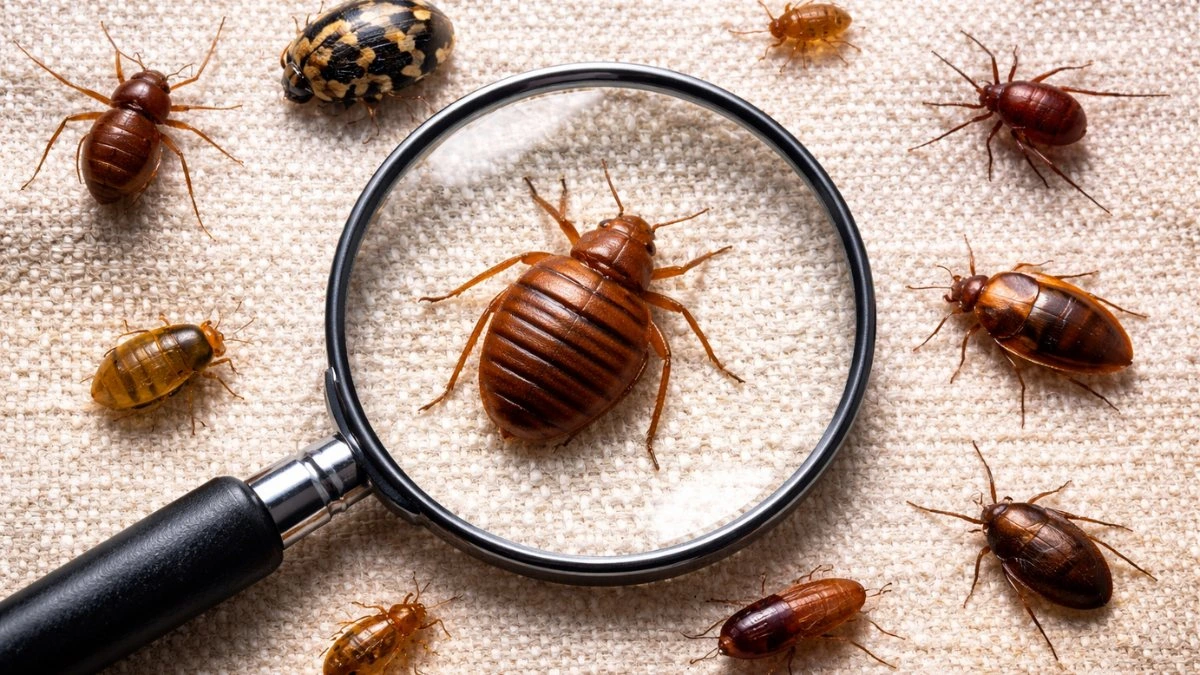
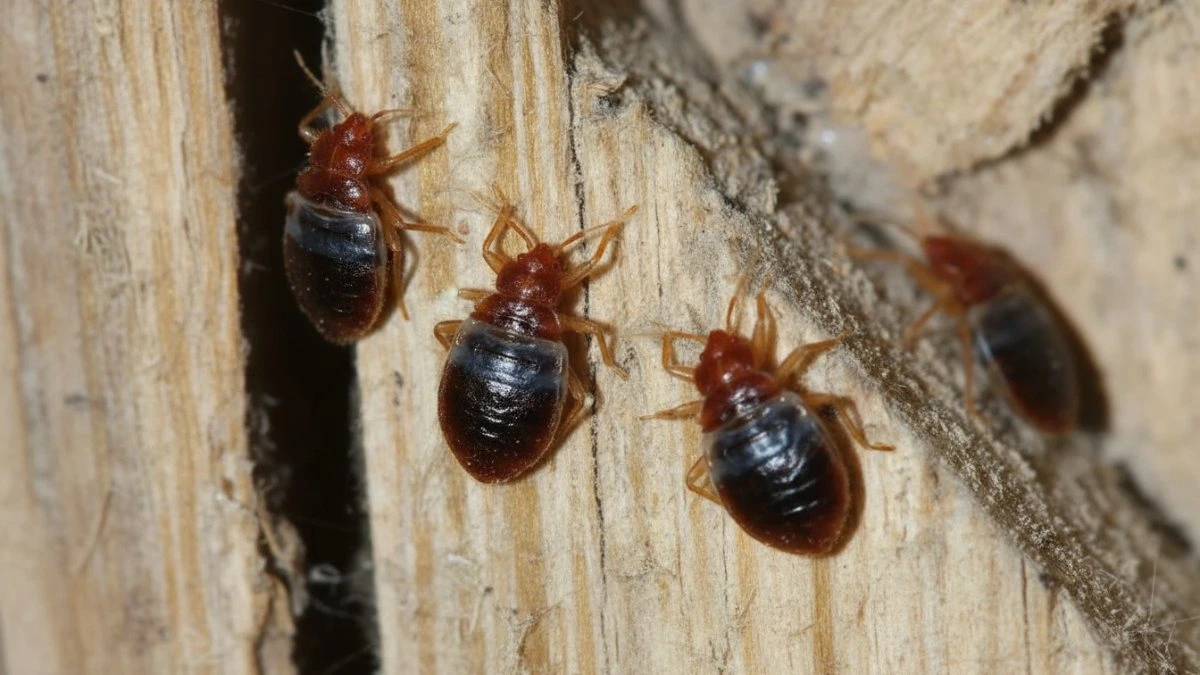
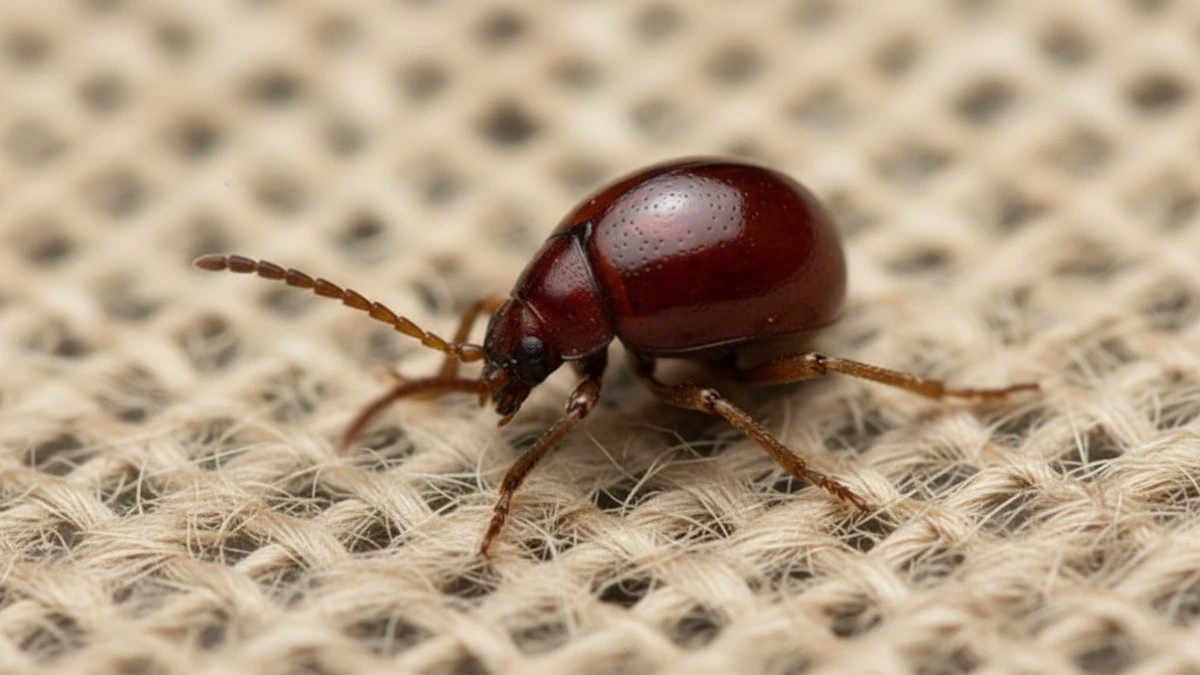
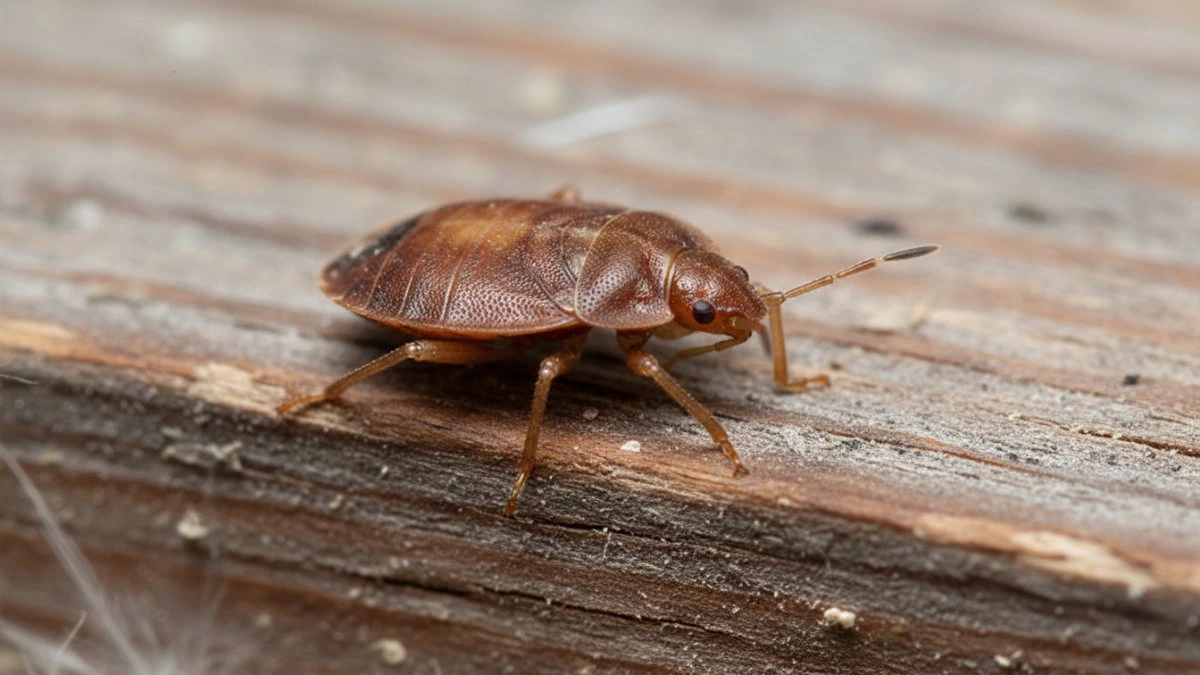
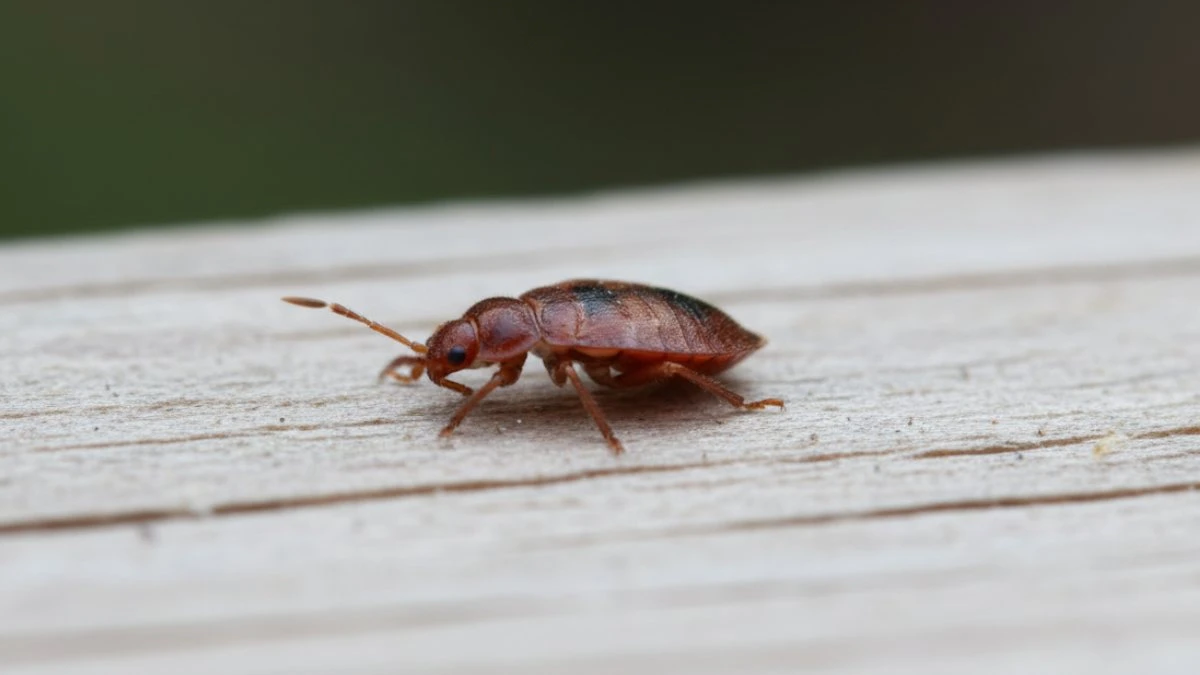
Finding an unknown bug in the house is a nightmare. Are they bed bugs? Cockroaches? Ticks? Bed bugs are commonly found in the bedroom, but many insects look like bed bugs, and correctly identifying the insect in question is crucial to finding the right pest repellent.
Below are 11 bugs that resemble bed bugs:
Carpet Beetles
Ticks
Fleas
Booklice
Cockroach Nymphs
Bat Bugs
Spider Beetles
Swallow Bug
Colorado Bed Bug
Lice
Mites
This article will go over the bugs that resemble bed bugs, including their physical and behavioral differences. I’ll also cover what bed bug bites look like and how they compare to the bites from their doppelgangers.
* This post contains affiliate links.
11 Bugs That Resemble Bed Bugs
Before we jump into the bugs that resemble bed bugs, let’s discuss what bed bugs look like. These insects are blood-sucking and require a blood meal to complete their lifecycle.
Penn State University tells us that bed bugs go through 7 life stages: egg, five instar phases, and finally, adult. The 1st instar nymphs measure only 1/16th of an inch, while the 5th instar measures around 1/6th of an inch. Fully grown bed bugs are around ¼-inch. Needless to say, these pests are tiny!
Here’s a breakdown of what bed bugs look like at each lifecycle stage. This way, you can tell the difference between them and other bugs that resemble bed bugs.
Egg: bed bug eggs are laid in difficult-to-reach areas like cracks and crevices. They are white, oval, and around 1/16th-inch.
Instars: Once hatched, bed bugs go through five instar phases, feeding once between each phase. During this lifestage, nymphs are yellowish white.
Adult: Adult bed bugs are reddish-brown in color with oval bodies. Bed bugs are wingless and have flattened bodies with slender legs and antennae.
If, after reviewing the list below, you discover that bed bugs are in fact invading your bedroom, there are a few eco-friendly ways to eliminate them. Getting a cover like Utopia Bedding mattress encasement prevents bed bugs from crawling in mattress seams and eliminates ones already living in the mattress.
Using traps on bed post legs is another way to repel bed bugs using eco-friendly methods. The Ecopest Bed Bug Interceptor can be placed beneath bed posts, capturing the bed bugs and preventing them from crawling on furniture and beds.
Now, let’s check out a few bugs that resemble bed bugs.
1. Carpet Beetles
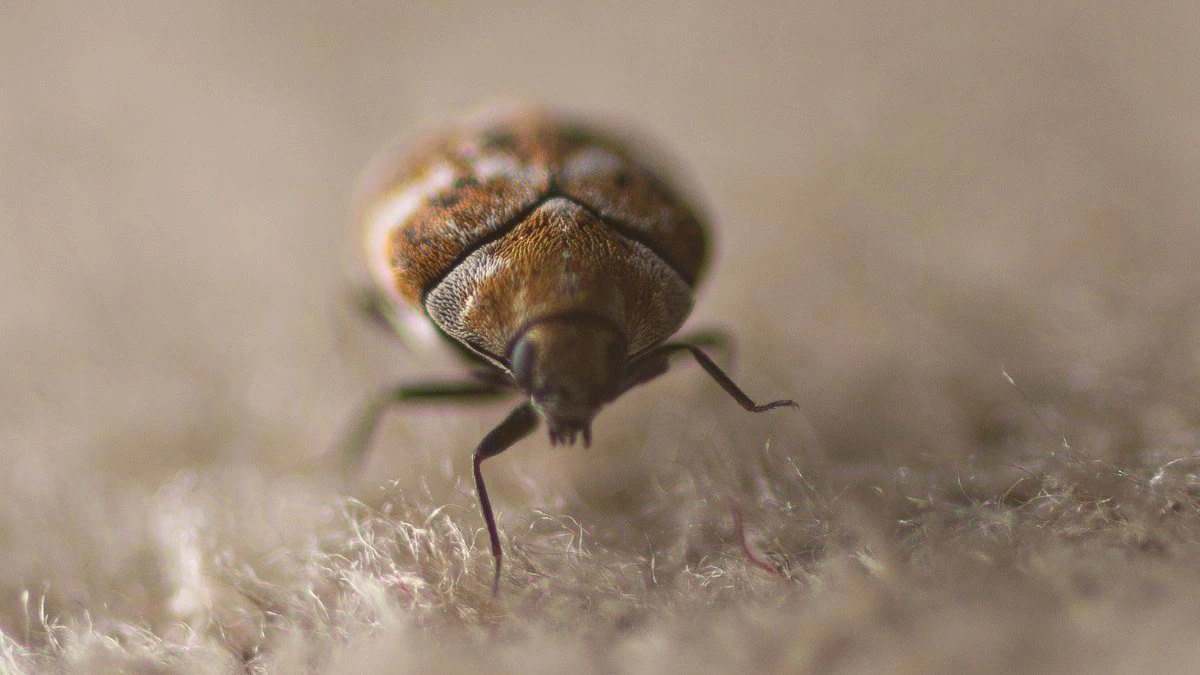
Carpet beetles are common insects that resemble bed bugs. However, there are a few key differences between carpet beetles and bed bugs that will help distinguish these two pests apart:
Bed Bug
Carpet Beetle
Size
¼-inch
1/10 – ⅛ inch
Appearance
Reddish brown with a flat, oval body. Slender legs and antennae. Hard exoskeleton.
Mottled coloration with white, brown, black, orange, or yellow. Rounded body similar to a ladybug. Hard shell.
Infestation Areas
Bedroom, sleeping areas.
Found in stored clothing, carpets, and furniture.
Food
Blood of humans or animals
Textiles and fabrics, dry goods.
Bite Appearance
Itchy red bumps about ⅕-inches. Round or Oval. Red bruise in the center. Usually appear in clusters.
N/A – Carpet beetles do not bite.
Carpet beetles are bugs that resemble bed bugs, and they may even hide out in similar areas. Our guide on bed bug eggs can help narrow down exactly where bed bug eggs may be found so that proper removal techniques can be implemented.
Just because you find a bug in your bed doesn’t automatically mean it is a bed bug. Carpet beetles may also infest beds to eat the fabric. Our detailed guide on carpet beetles dives into the key differences between carpet beetles and bed bugs.
2. Ticks
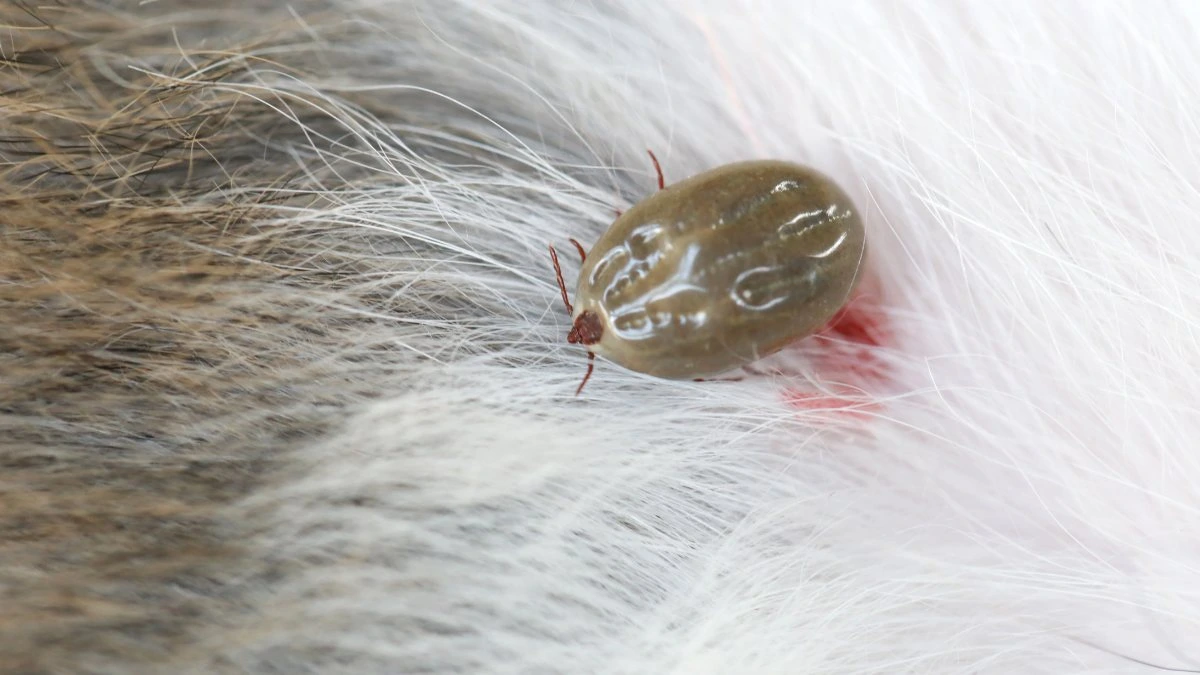
Ticks are another blood-sucking insect like bed bugs, but they’re not typically found indoors. When ticks are found indoors, it’s usually because a human or pet brought them in by accident, either on clothing, fur, or attached to the skin.
Here are the major differences between ticks and bed bugs:
Bed Bug
Tick
Size (Adult)
¼-inch
1/16 – ⅛ inch
Appearance
Reddish brown with a flat, oval body. Slender legs and antennae. Hard exoskeleton.
Usually brown or black with eight legs and flattened, rounded bodies. Hard exoskeleton. No antennae.
Infestation Areas
Bedroom, sleeping areas.
Pet areas, including bedding and blankets. Outdoor areas where forest meets open field.
Food
Blood of humans or animals
Blood of humans or animals
Bite Appearance
Itchy red bumps about ⅕-inches. Round or Oval. Red bruise in the center. Usually appear in clusters.
Small red bump. It may be swollen and is usually itchy. May have a black dot or a bullseye rash.
Ticks and bed bugs both have flattened bodies and can be very similar in coloration, making them one of the most similar bugs that resemble bed bugs. However, the key is to count the number of legs. Bed bugs have six, while ticks have eight. Ticks also have no antennae.
Our guide on fleas, ticks, and bed bugs offers more information about the differences between bed bugs and ticks.
3. Fleas
Yet another of the bugs that resemble bed bugs is fleas. These jumping insects are prolific, making them difficult to get rid of once inside. Fleas are usually brought inside on pets, but can occasionally hitch a ride on humans, luggage, or used items.
Below are the major differences between bed bugs and fleas.
Bed Bug
Flea
Size (Adult)
¼-inch
1/16 to ⅛ inch
Appearance
Reddish brown with a flat, oval body. Slender legs and antennae. Hard exoskeleton.
Long, narrow body, reddish brown coloration. Strong legs with hair.
Infestation Areas
Bedroom, sleeping areas.
Pet areas, including bedding and blankets
Food
Blood of humans or animals
Blood of humans or animals
Bite Appearance
Itchy red bumps about ⅕-inches. Round or Oval. Red bruise in the center. Usually appear in clusters.
Itchy red bumps about ⅕-inches, clustered together. May have a darker center.
Fleas are one of the most similar bites that resemble bed bugs. The best way to tell the difference between these two insects is to find the bugs themselves. Bed bugs are flattened and oval, while fleas are narrow with long legs.
Our guide on how to find bed bugs during the daytime can reveal the hidden places where these insects hide away, giving you full access to employ repellent techniques to get rid of them permanently.
4. Booklice
If you’re an avid book collector, booklice may be your worst nightmare! These bothersome pests eat the glue on book bindings, damaging the spines of books. The good news is, booklice do not affect humans, so even if you have them in your home, you won’t have to worry about buying special shampoo as you would with head lice.
Booklice are yet another one of the bugs that resemble bed bugs. However, the similarities are few, and it’s easy to spot the differences.
Bed Bug
Booklice
Size (Adult)
¼-inch
0.07 inches (tiny!)
Appearance
Reddish brown with a flat, oval body. Slender legs and antennae. Hard exoskeleton.
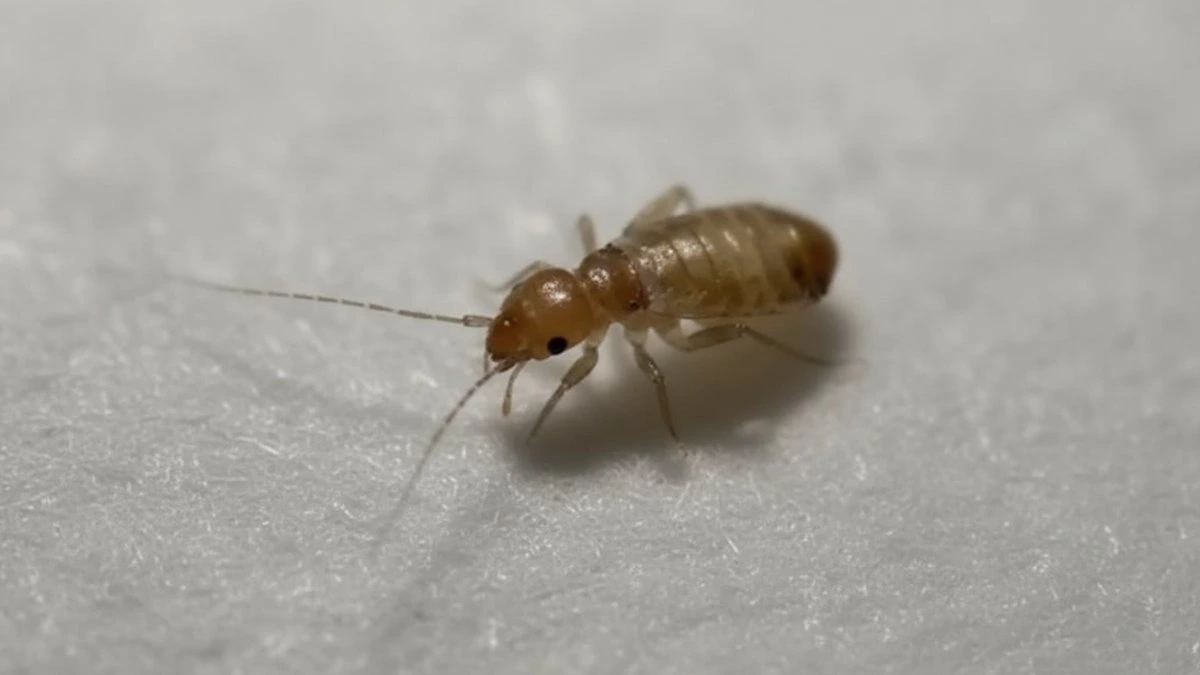
Soft-bodied with long antennae. White, gray, or yellow coloration.
Infestation Areas
Bedroom, sleeping areas.
Damp areas, behind wallpaper, in old books.
Food
Blood of humans or animals
Glue, mold, mildew, fungi
Bite Appearance
Itchy red bumps about ⅕-inches. Round or Oval. Red bruise in the center. Usually appear in clusters.
N/A – booklice do not bite
While physically similar in terms of body shape, booklice are easy to distinguish by their pale coloration and very long antennae.
If you’re sure you have bed bugs and not booklice, head over to our article on what kills bed bugs fast to learn how to eliminate these biting pests.
5. Cockroach Nymphs
Nymphs are the immature stages of a cockroach before they reach full adulthood. Cockroach nymphs look similar to bed bugs and may be mistaken for them, especially if you snack in the bedroom or provide other food sources that attract cockroaches.
Cockroach nymphs are definitely one of the bugs that resemble bed bugs, having similar coloration and features. However, there are subtle differences:
Bed Bug
Cockroach Nymph
Size (Adult)
¼-inch
⅛ – ½ inch
Appearance
Reddish brown with a flat, oval body. Slender legs and antennae. Hard exoskeleton.
Reddish brown to dark brown. Cylindrical, narrow bodies. Long antennae and spiny legs.
Infestation Areas
Bedroom, sleeping areas.
Warm, moist, undisturbed, dark areas.
Food
Blood of humans or animals
Decaying plants and animals, fats, sweets, starches, glue, hair, and paper.
Bite Appearance
Itchy red bumps about ⅕-inches. Round or Oval. Red bruise in the center. Usually appear in clusters.
Cockroaches rarely bite. Bites are small, red, itchy, and swollen, and are not clustered.
Cockroach nymphs are insects that resemble bed bugs, but it’s unlikely to find cockroach nymphs in the bedroom, making them easy to distinguish from bed bugs. Check out our 10 simple tips to get rid of roaches if you discover cockroach nymphs in your home.
6. Bat Bugs
Bat bugs are one of the closest bugs that resemble bed bugs. Their body shape and color are almost identical. The good news is that bat bugs rarely inhabit the bedroom and feed solely on bats, not people.
Here’s how to tell the difference between bat bugs and bed bugs:
Bed Bug
Bat Bug
Size (Adult)
¼-inch
¼-inch
Appearance
Reddish brown with a flat, oval body. Slender legs and antennae. Hard exoskeleton.
Reddish brown to dark brown with an oval body. Have longer fringe hairs than bed bugs
Infestation Areas
Bedroom, sleeping areas.
Bat roosts (attics, barns, etc.)
Food
Blood of humans or animals
Blood of bats
Bite Appearance
Itchy red bumps about ⅕-inches. Round or Oval. Red bruise in the center. Usually appear in clusters.
Itchy red bumps about ⅕-inches. Round or Oval. Red bruise in the center. Usually appear in clusters or lines.
Bat bugs also leave bites that resemble bed bugs, making it difficult to distinguish between the two. The main difference is their host. Bat bugs prefer to feed on bats, while bed bugs prefer to feed on humans.
If you discover bed bugs and not bat bugs, our article on bed bug glue traps offers advice on whether this repellent technique works for bed bugs.
7. Spider Beetles
While similar in color, spider beetles and bed bugs differ in the shape of their bodies and their antennae. However, spider beetles are still one of the bugs that resemble bed bugs, especially at a glance.
Here are the major differences:
Bed Bug
Spider Beetle
Size (Adult)
¼-inch
⅕-inch
Appearance
Reddish brown with a flat, oval body. Slender legs and antennae. Hard exoskeleton.
Reddish brown to black with rounded bodies and long antennae.
Infestation Areas
Bedroom, sleeping areas.
Pantries
Food
Blood of humans or animals
Dry goods and grains.
Bite Appearance
Itchy red bumps about ⅕-inches. Round or Oval. Red bruise in the center. Usually appear in clusters.
Spider beetles rarely bite, but may leave a small red bump on the skin.
8. Swallow Bug
Another doppelganger of the bed bug is the swallow bug. These bugs that resemble bed bugs usually feed on the blood of swallows in barns or cliff faces. However, they occasionally invade homes and become pests to humans.
Here’s how to tell them apart:
Bed Bug
Swallow Bug
Size (Adult)
¼-inch
3/16-inch
Appearance
Reddish brown with a flat, oval body. Slender legs and antennae. Hard exoskeleton.
Grayish-brown with flat, oval bodies. Hairier than bed bugs.
Infestation Areas
Bedroom, sleeping areas.
Mud nests of colonial cliff and barn swallows.
Food
Blood of humans or animals
Blood of barn swallows
Bite Appearance
Itchy red bumps about ⅕-inches. Round or Oval. Red bruise in the center. Usually appear in clusters.
Itchy red bumps about ⅕-inches. Round or Oval. Red bruise in the center. Usually appear in clusters.
Swallow bugs cause bites that resemble bed bugs, but they rarely bite humans, preferring to feed on barn swallows.
Many insect species can be defeated by a simple, eco-friendly repellent: diatomaceous earth. Head over to our article on the 7 best diatomaceous earth for bed bugs to discover our top choices!
9. Colorado Bed Bug
The Colorado bed bug is a close relative of the common bed bug, but it is rarely found in homes. However, due to their close relation, Colorado bed bugs are one of the closest bugs that resemble bed bugs.
Below are a few ways to tell them apart:
Bed Bug
Colorado Bed Bug
Size (Adult)
¼-inch
3/16 to ⅜ inche
Appearance
Reddish brown with a flat, oval body. Slender legs and antennae. Hard exoskeleton.
Reddish brown with a flat, oval body. Slender legs and antennae. Hard exoskeleton.
Infestation Areas
Bedroom, sleeping areas.
Mud nests of cliff and barn swallows.
Food
Blood of humans or animals
Blood of barn swallows
Bite Appearance
Itchy red bumps about ⅕-inches. Round or Oval. Red bruise in the center. Usually appear in clusters.
Colorado bed bugs are not known to bite humans.
As you can see, the only major difference between Colorado bed bugs and common bed bugs is the blood host.
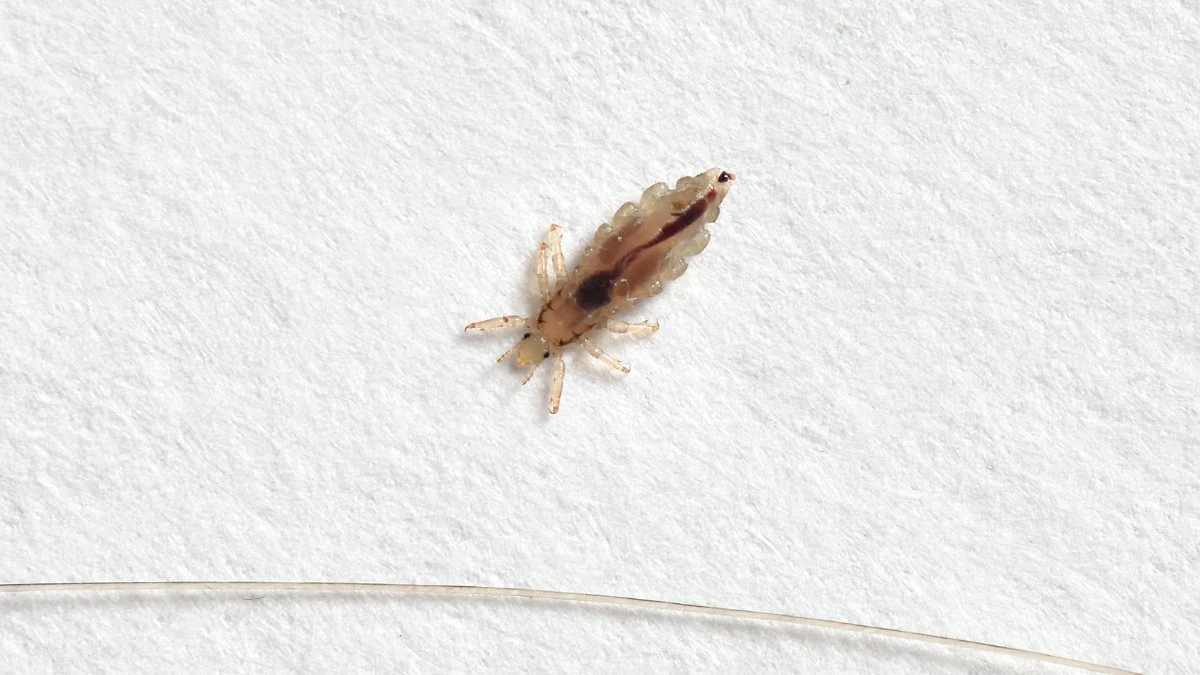
10. Lice
Lice are one of the bugs that resemble bed bugs, but instead of biting exposed legs and arms, they typically target the head of their host. Additionally, lice live on their host, while bed bugs are only on the host to feed.
Let’s check out the major differences between bed bugs and lice:
Bed Bug
Lice
Size (Adult)
¼-inch
1/10-inch
Appearance
Reddish brown with a flat, oval body. Slender legs and antennae. Hard exoskeleton.
Grayish white with oblong bodies and small antennae.
Infestation Areas
Bedroom, sleeping areas.
Lice live on the human host.
Food
Blood of humans or animals
Blood of humans.
Bite Appearance
Itchy red bumps about ⅕-inches. Round or Oval. Red bruise in the center. Usually appear in clusters.
Itchy red bumps the size of a pinhead. Appear in clusters on the scalp, neck, and shoulders.
Lice cause bites that resemble bed bugs, but the bite locations are usually near the head and neck as opposed to the arms and legs.
11. Mites
Mites and bed bugs are similar in shape, but there are a few major differences between these two creepy crawlies. For one, mites are actually spiders, while bed bugs are insects. Still, some species of mites are on our list of bugs that resemble bed bugs.
Here are some of the more significant differences between mites and bed bugs:
Bed Bug
Mites
Size (Adult)
¼-inch
Usually microscopic (0.1 inches) but can be as large as ½-inch.
Appearance
Reddish brown with a flat, oval body. Slender legs and antennae. Hard exoskeleton.
White, cream, or translucent with 8 legs.
Infestation Areas
Bedroom, sleeping areas.
Mattresses, furniture, and areas with high humidity.
Food
Blood of humans or animals
Dead skin, blood, fungi, and other insects.
Bite Appearance
Itchy red bumps about ⅕-inches. Round or Oval. Red bruise in the center. Usually appear in clusters.
Most mites do not bite, but can cause allergic reactions.
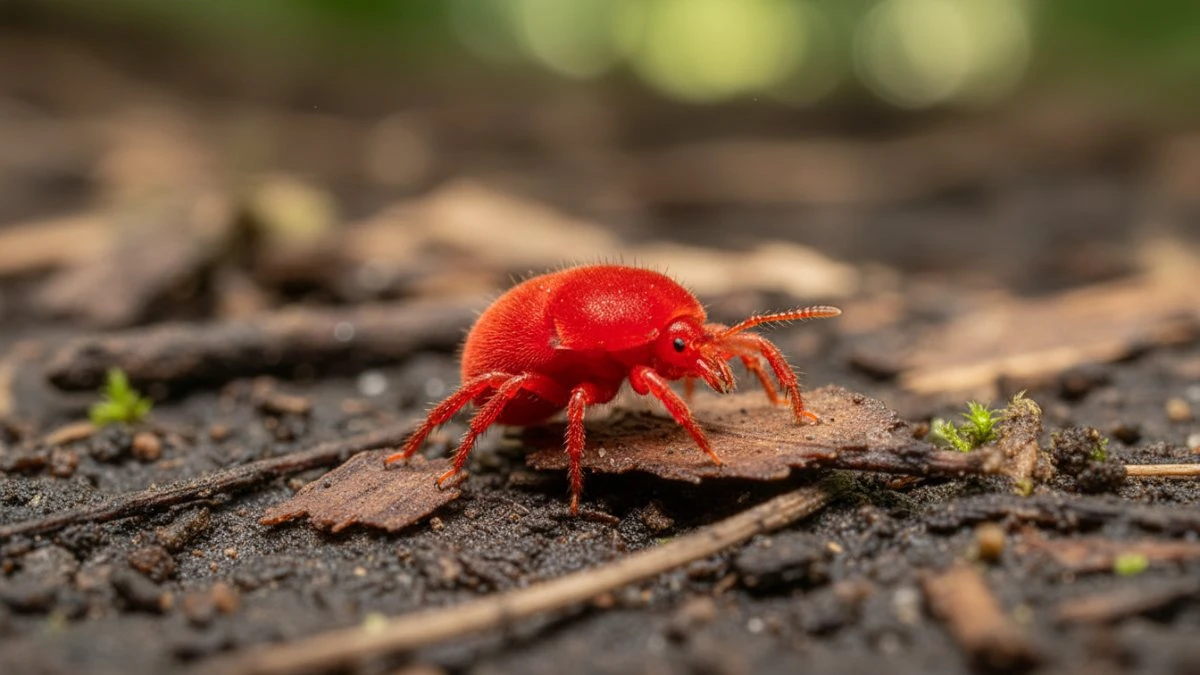
The large giant velvet mite is one of the only insects that resemble bed bugs in the mite family, as they can be as large as ½-inch long and have a red tint. However, by counting the legs, you can immediately tell the difference between them.
That’s All For Now!
The list of bugs that resemble bed bugs is longer than you think! Bed bugs are one of the worst pests to have in the home. They’re small, difficult to get rid of, and they bite! Luckily, if you discover a creepy crawler that you think is a bed bug, it might actually be something else!
To recap, here are the 11 bugs that resemble bed bugs:
Carpet Beetles
Ticks
Fleas
Booklice
Cockroach Nymphs
Bat Bugs
Spider Beetles
Swallow Bug
Colorado Bed Bug
Lice
Mites
A few of these insects also have bites that resemble bed bugs, but by looking at their physical appearance, location, and identifying their preferred food, you can spot the differences and know if you have bed bugs or something else.
If you discover a bed bug or any other critter in your home, head over to our pest control finder to locate a pest control specialist near you!
Robyn is your friendly neighborhood writer, editor, and published author - boasting many years of experience in pest control, from which she magically weaves words into the captivating and engaging posts as we know them. When not tucked behind her laptop screen, she can be found embracing nature in the most thrilling ways possible. Rock climbing? Yes, please! Hiking? Absolutely! Traveling the U.S. with her husband, their lovable three-legged dog, and two mischievous cats? That’s her everyday reality. They live, love, and work in their cozy campervan, letting the road take them where it will, and finding inspiration in every sunrise, mountain peak, and wildlife sighting they encounter. Check out my Profile.
Pest Pointers was started in a cozy corner of Upstate New York, known for its expansive pastures, dense woods, and abundant wildlife pests. We are dedicated to providing YOU with solutions and insights into managing common pest issues. Starting out on over 50 acres of land and a freshwater bass pond with abundant pests, we combine firsthand experience with dedicated advice to help you tackle even the toughest of critters!