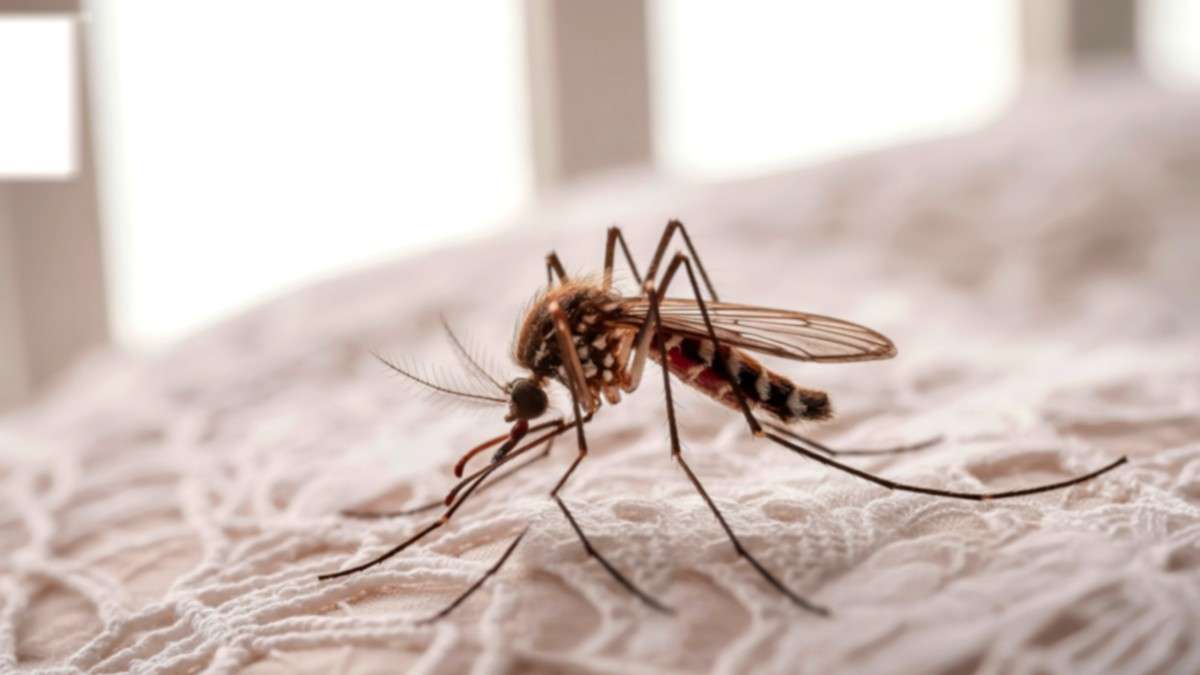
There’s no other pest that is more annoying or more frustrating than the mosquito. These flying insects not only bite, but can also transmit harmful diseases to people and pets. If you’re looking for a safe, eco-friendly solution, Mosquito Dunks may be the answer!
Mosquito Dunks contain Bacillus thuringiensis israelensis (Bti), which is a naturally occurring bacterium that only affects mosquito larvae and is safe to other aquatic organisms, people, and pets when used as directed.
This article will cover what Mosquito Dunks are, whether or not they are effective and safe for the environment, and whether or not there are better solutions out there. I’ll also go into detail about how to use these eco-friendly mosquito solutions!
If you’ve never heard of Mosquito Dunks, you’re not alone! This natural solution isn’t as widely known as citronella, DEET, and insecticides. However, it’s one of the most effective solutions to eliminate mosquito populations in your yard.
So, what exactly are Mosquito Dunks?
Mosquito Dunks contain a naturally occurring bacterium called Bti, short for Bacillus thuringiensis, subspecies israelensis. Bti contains spores that produce toxins that specifically target the larvae of mosquitoes, blackflies, and fungus gnats only.
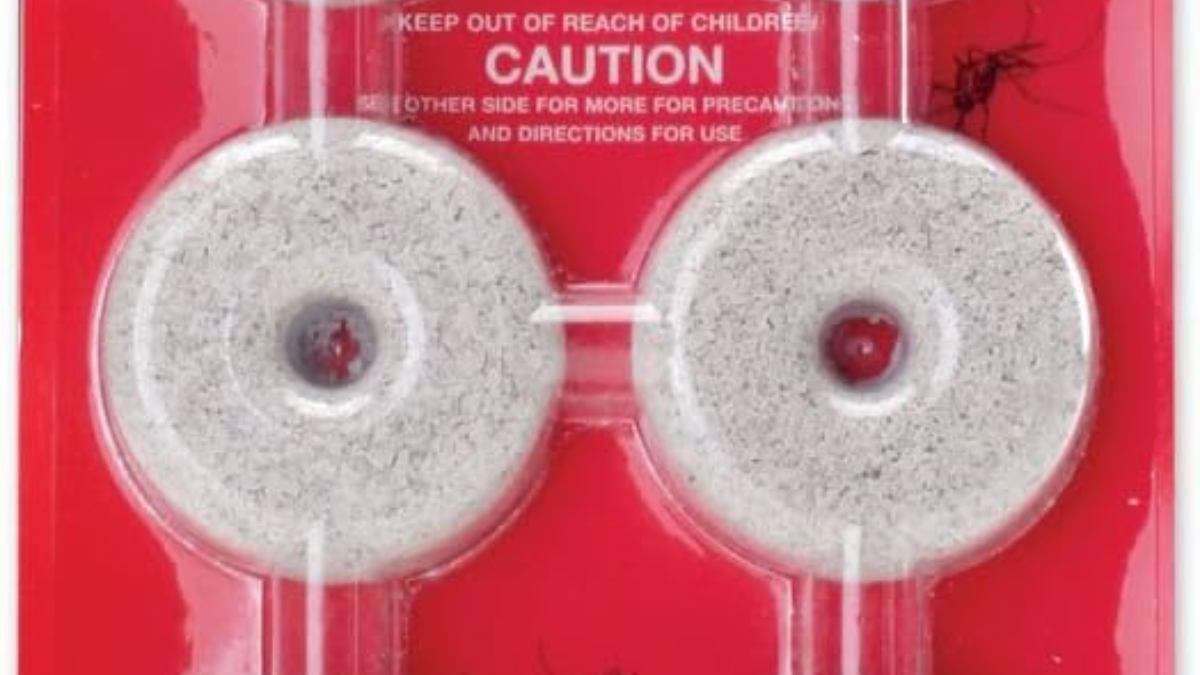
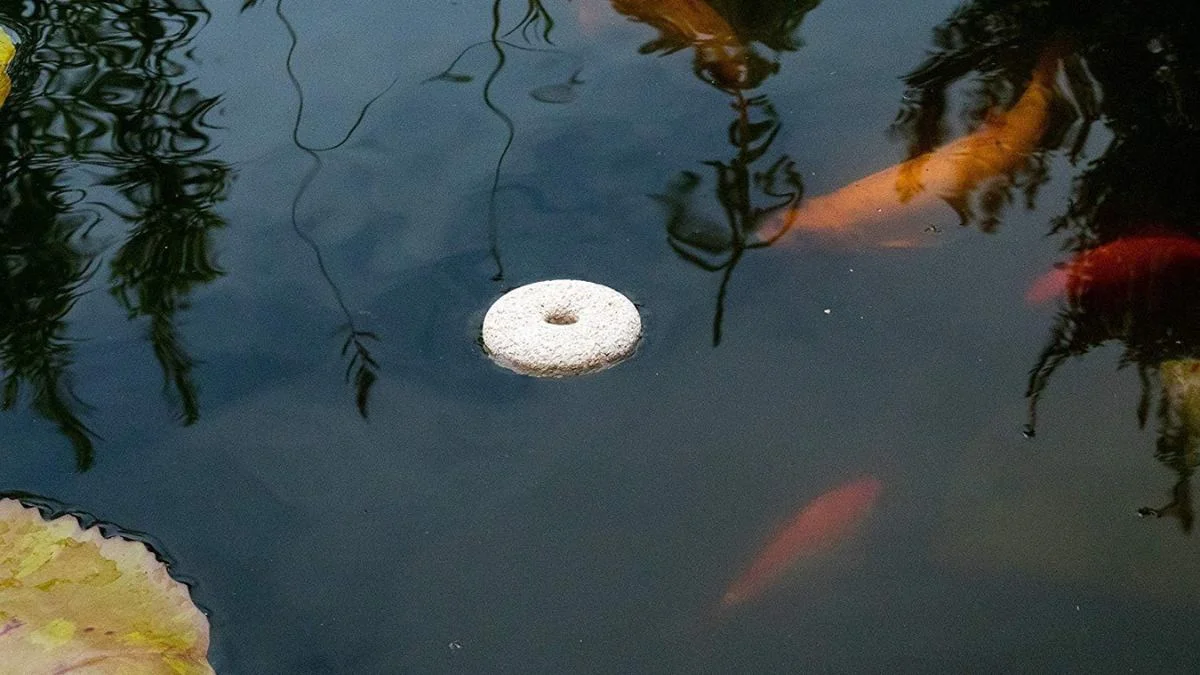
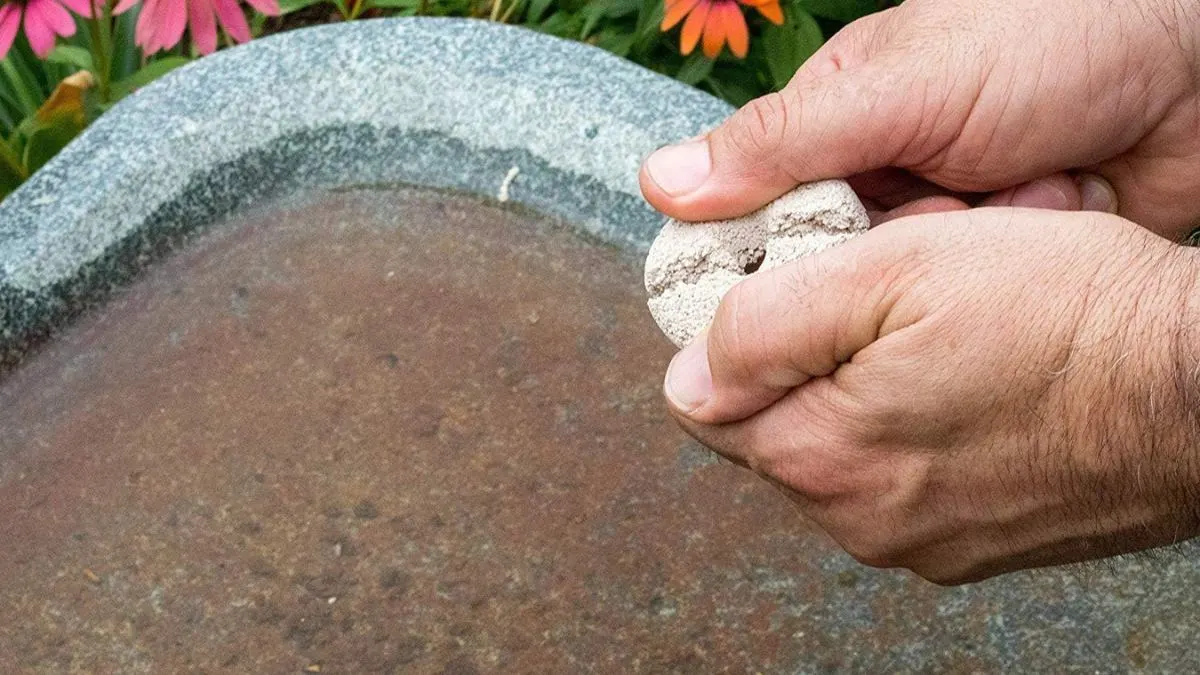
The dunks themselves are small, donut-shaped repellents that are placed in water. Over time, the dunks release Bti into the water. As mosquito larvae hatch and consume organic matter in the water, they ingest the Bti and perish within hours. The Dunks work best if replaced every 30 days.
Here’s How Mosquito Dunks Work
To understand how Mosquito Dunks work, it’s essential to understand the lifecycle of mosquitoes. Below is a simplified version of what the lifecycle of a mosquito looks like:
Day 0 (egg): Female mosquitoes lay eggs on the surface of standing water, such as puddles, pools, ditches, buckets, tin cans – anything with standing water. You can check out our guide on 9 easy tips to keep mosquitoes out of your swimming pool here to keep them from laying eggs in your pool!
Day 1-3 (1st larval stage): When mosquitoes hatch from the egg, they sink into the water and are in their first of four larval stages. During this stage, they feed on organic matter found in stagnant water, which is how they ingest the Mosquito Dunks.
Day 3-6 (2nd, 3rd, & 4th larval stage): Over the next few days, the larvae continue to eat and go through three more stages. Mosquito Dunks are most effective during the 3rd and 4th larval stage, which is why you may not see an immediate reduction in the first week.
Day 7 (pupae): Around day 7, mosquitoes begin to pupate, using their last shed larval skin as a cocoon-like structure before emerging into an adult.
Day 8-10 (adult): Adult mosquitoes typically emerge around 8 to 10 days after hatching from the egg.
The short lifecycle of mosquitoes makes them one of the most prolific pests to have around the home. But, we still haven’t answered the question of how Mosquito Dunks work!
Simply put, Mosquito Dunks target the larval stage of the mosquito. This is the stage where they eat organic matter found in stagnant water and consume the Bti. Mosquito Dunks are placed in stagnant water, and as the mosquitoes hatch into the larval stage, they consume the Dunks and are eliminated.
We’ll cover how to use Mosquito Dunks properly a little later!
Many homeowners in today’s day and age are searching for alternatives to chemical-laden pesticides. This has fostered a new era of eco-friendly pest control, and guess what? Mosquito Dunks are safe and eco-friendly!
According to the EPA, Bti poses no health risks to humans and is approved for use in backyard ponds where fish, frogs, tadpoles, and other aquatic species live. Bti has minimal impact on honey bees and other pollinators, and doesn’t affect birds.
As for your precious furbabies? They’re safe too. Bti is non-toxic to both cats and dogs, although it is not recommended to put Bti directly in your pet’s water dish, as high enough concentrations can cause gastrointestinal upset.
Where Mosquito Dunks Shouldn’t Be Used
While Bti is considered safe for fish, birds, pets, people, and pollinators, there are still places where Bti should never be used because of its impact on the food chain in aquatic ecosystems.
Where Water Flows Into Stream: Bti should never be used on a water source that eventually flows into a stream or river. It should only be used on standing water that cannot escape, such as a pond or a container.
Streams and Rivers: A study from the Journal of Parasites and Vectors found that Bti was detrimental to Chironomidae, a non-biting midge fly that forms the base of the food chain in many flowing water ecosystems.
Low Spots In Yard: After heavy rains, low spots can collect water, attracting mosquitoes. However, this water eventually leaches into the ground and either gets deposited in the water table or flows into a spring or stream. Mosquito Dunks should not be used on low spots that come in direct contact with the ground.
When used correctly, mosquito Dunks are eco-friendly and safe for use around your family, pets, and any critters that call your yard their home, like pollinators, fish, frogs, and birds.
Effectiveness of Mosquito Dunks
A lot of eco-friendly solutions are circulating on the internet these days, but some are just plain ineffective. Luckily, there’s a lot of scientifically-backed evidence that proves the effectiveness of Mosquito Dunks.
A small-scale field study published in the International Journal of Pest Management found a 98%-100% mortality rate at 15 days after treating water with Mosquito Dunks.
Unlike some touted natural solutions, Mosquito Dunks have the science to back them up! Needless to say, they are considered very effective at reducing mosquito populations.
Using Mosquito Dunks is one of the easiest repellent techniques for mosquitoes. There’s no need to light a candle, spray harmful chemicals, or cover yourself in DEET to avoid these pesky flying insects.
To use Mosquito Dunks, follow these 7 steps:
Location: Look around your yard for wet areas that attract mosquitoes or areas where you are harassed by mosquitoes. These areas are where you’ll want to place Mosquito Dunks.
Gather Supplies:
5-gallon bucket
Organic material like grass clippings, straw, hay, or dead leaves.
Something to cover the open top of the bucket, like screening or chicken wire (this prevents other animals from falling in the bucket).
Add Organic Matter: Place the 5-gallon bucket on level ground where it won’t tip over. Add the grass clippings, dead leaves, straw, or hay so that it fills around ¼ of the bucket.
Add Water: Fill the bucket halfway with water.
Wait Or Add Dunks Immediately: Optionally, you can let the organic matter ferment for 2-3 days. This allows it to release gases that will attract mosquitoes. However, if you know mosquitoes are already in the area, you can add the Dunk immediately to the bucket.
Screen Open Top: Add screening or chicken wire over the top of the bucket to prevent critters like mice, frogs, toads, and chipmunks from falling in. Alternatively, add a rigid piece of wood to act as a ladder to help them get out. The screening material should be large enough to let in adult mosquitoes (openings should be greater than 6mm).
Replenish: It’s recommended to replace Mosquito Dunks every 30 days. If mosquitoes are extreme, they can be replaced every 2 weeks.
The Dunks may float on top of the water; this is normal. Over time, the Dunks may sink as they continue to dissolve and release all the Bti into the water.
Other Options To Control Mosquitoes Naturally
Mosquito Dunks are one of the easiest options for controlling mosquitoes around the yard, but there are plenty of other eco-friendly choices to repel these annoying insects. With natural options, it’s important to replenish them regularly to continue to repel mosquitoes.
Avoid Ultraviolet (UV) Lights
Mosquitoes aren’t necessarily attracted to lights like moths and other nighttime flying insects, but they do use lights to navigate.
To avoid attracting mosquitoes with your outdoor lights, try switching to a bulb with a yellow filter or purchasing a bug-resistant bulb like the Nouscan Store Yellow Bug Light Bulbs.
Yellow bulbs like this emit either no UV light or very little UV, which makes it difficult for flying bugs to see. You can read more about the truth behind lights and mosquitoes here for a more in-depth look.
Scent Deterrents
Believe it or not, mosquitoes have a strong sense of smell! Scent deterrents work by overwhelming a mosquito’s sense of smell, making it difficult for them to locate a host. This triggers a warning signal to the mosquito, which will flutter off to a different area to search for a blood meal.
Some of the scents that can deter mosquitoes include:
Lavender
Peppermint
Geranium
Cinnamon Bark
Lemon Eucalyptus
Citronella
Catnip
Rosemary
Pine
Head over to our guide on the 9 scents that mosquitoes hate to learn how to use natural scent deterrents to keep mosquitoes away.
Candles
If you only need to repel mosquitoes from a small area, such as your porch, a scented candle can work wonders. Simply place it on an elevated, flat surface and light it up!
While citronella is the main candle scent that is touted to repel mosquitoes, other scents like lemongrass, mint, eucalyptus, and floral-scented candles can work just as well. You can read more about using candles to deter mosquitoes in our article about the 5 candle scents that keep mosquitoes away.
Eliminate Water Sources
We touched on this earlier, but it’s worth repeating. Mosquitoes need water to complete their lifecycle. No water = no mosquitoes.
Check around your yard for sources of water, such as low spots, upturned buckets, overturned plant pots, tin cans, damp leaf piles, clogged gutters, uncovered garbage containers, gardening tools, tires, toys, and leaky faucets.
If you find a source of water, try to eliminate it or dry the area out. Some water sources, like ponds and streams, cannot be eliminated. This is when natural repellents like Mosquito Dunks, scent deterrents, and candles can come in handy.
That’s A Wrap!
Mosquitoes are one of the worst summer pests. They buzz in ears and bite skin, leaving behind itchy red welts or worse. The good news is that there are eco-friendly options for deterring, repelling, and even eliminating mosquito populations around the yard.
Mosquito Dunks utilize a natural bacterium called Bti that targets mosquito larvae. Bti is safe to use around aquatic organisms, birds, pets, pollinators, and people, making it one of the most effective, natural products to eliminate mosquitoes.
That said, sometimes our pest problems become pest nightmares! If you find that Mosquito Dunks aren’t doing the job, it may be beneficial to reach out to a pest control specialist. Check out our pest control finder to locate a pest pro near you. They can help identify what is attracting mosquitoes and teach you how to eliminate these attractants.
Robyn is your friendly neighborhood writer, editor, and published author - boasting many years of experience in pest control, from which she magically weaves words into the captivating and engaging posts as we know them. When not tucked behind her laptop screen, she can be found embracing nature in the most thrilling ways possible. Rock climbing? Yes, please! Hiking? Absolutely! Traveling the U.S. with her husband, their lovable three-legged dog, and two mischievous cats? That’s her everyday reality. They live, love, and work in their cozy campervan, letting the road take them where it will, and finding inspiration in every sunrise, mountain peak, and wildlife sighting they encounter. Check out my Profile.
Pest Pointers was started in a cozy corner of Upstate New York, known for its expansive pastures, dense woods, and abundant wildlife pests. We are dedicated to providing YOU with solutions and insights into managing common pest issues. Starting out on over 50 acres of land and a freshwater bass pond with abundant pests, we combine firsthand experience with dedicated advice to help you tackle even the toughest of critters!